

Casting
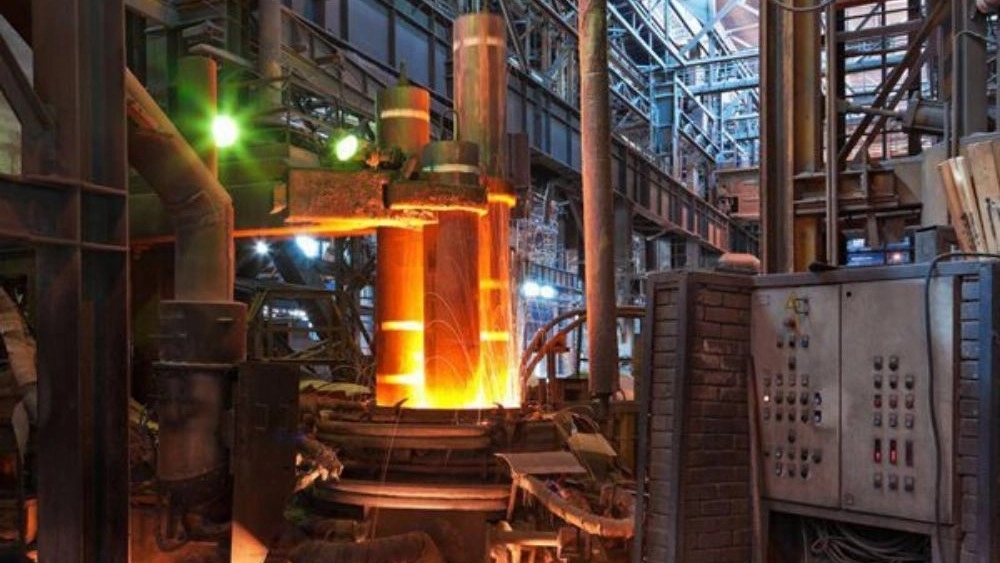
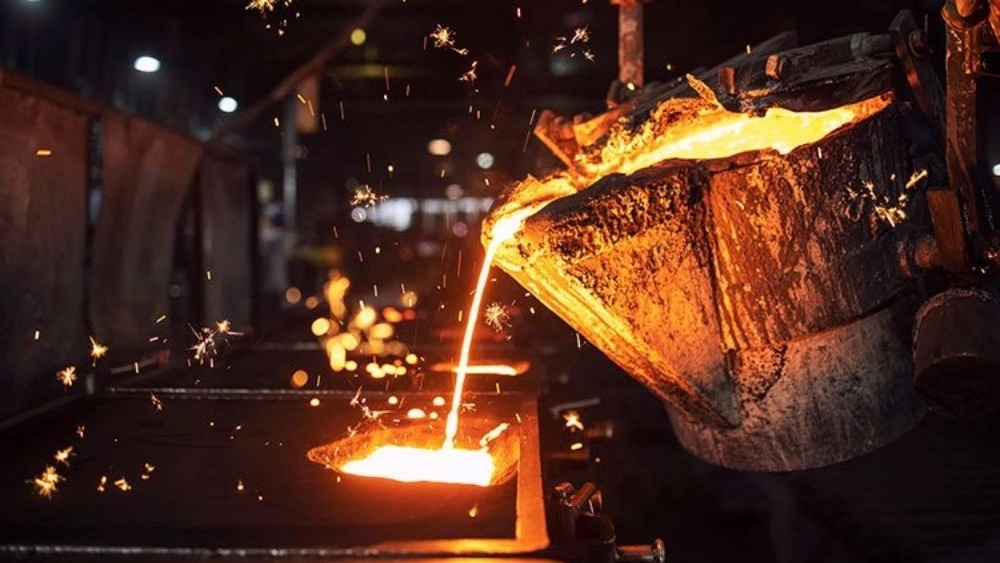
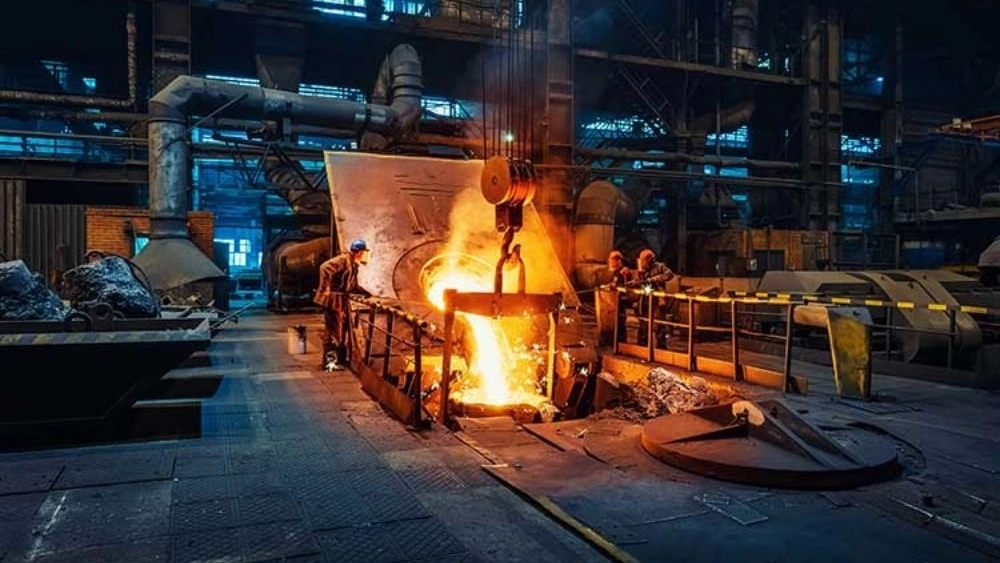
Casting is a manufacturing process in which a liquid material is usually poured into a mold containing a hollow cavity of desired shape and then allowed to solidify. The solidified part, also known as casting, is removed from the mold or broken to complete the process, and the result is a variety of metal parts. This process involves pouring molten materials into special molds, from which the parts are separated after cooling. The parts resulting from this process are known as castings. Casting is mainly used in various industries of machine building and production of auto parts.
The materials used in casting are usually composed of various metals and alloys or mixtures of epoxy and plastic. The use of this method is economically suitable for the production of parts, especially in the automotive industry, where large and heavy parts are produced. Various factors affect the casting process, including the material and design of the mold, surface characteristics, and impurities in the metals. .
History of casting
In the past, people had come to the conclusion that one of the most important factors in melting metals is heat and fire, and as the power and heat of fire increases, the speed of material melting also increases. During different periods of history, different types of metals were used for smelting, but among them, gold, iron, copper and bronze were the most widely used. He discovered metals, they were used to replace older metals in various applications. This general history of casting has continued from the past to the present and shows the evolution and progress of this industry over time.
Use of casting in various industries
1. Automotive Industry
Cylinder block and cylinder head
Crankshaft and connecting rod
Suspension parts
Ring and mold
Manifold and exhaust pipes
2. Construction industry
Pipes and fittings
faucets
Parts of pumps
Radiators
Beams and blocks
3. The machine -building industry
Body and base of machines
Gears and pulleys
Plastic injection molds
Industrial tools
Spare parts
4. Aerospace Industry
Turbine blades
Engine body
Hydraulic system parts
Chassis and structural components
5. Agricultural Industry
Tractor and combine parts
Agricultural tools
Irrigation systems
Gardening equipment
6. Other industries
Medical equipment
Household appliances
Rail industry parts
Mining equipment
Sculpture and artistic industries
What materials are used in casting?
In the casting process, different materials are used, which vary depending on the needs of different industries and required parts. But usually the following materials are used in this process:
1. Metals: including iron, steel, aluminum, bronze, copper, gold, silver, etc., which are used to produce metal parts.
2. Alloys: such as aluminum-silicon, aluminum-manganese, iron-carbon, etc., which provide special features for the desired parts.
3. Plastics: including polyethylene, polypropylene, polyester, polyvinyl chloride, etc., which are used in the production of plastic parts.
4. Epoxy materials: To produce resistant and durable parts, epoxy materials such as epoxy resins are used.
5. Cement and concrete: Casting with cement and concrete is used to produce construction parts and construction structures.
Although these items represent common materials in casting, depending on specific needs and different uses, other materials may also be used in this process.
A variety of casting methods
Special methods
Different types of special methods in casting are:
Precision casting: In the method, a fireproof mold made with high precision is used. This mold is made from a wax pattern that is melted and removed after being coated with a refractory material. Then the molten metal is placed in the mold. This method is suitable for producing parts with complex geometry and high precision.
Continuous Casting: In this method, molten metal is continuously poured into a mold and gradually changes into a solid state. This method is suitable for producing long sections such as pipes and beams.
Vacuum casting process: In this method, molten metal is cast in a vacuum. This causes the gas bubbles to be removed from the metal and the quality of the cast piece increases.
Centrifugal Casting: In this method, molten metal is poured into a mold that is rotating at high speed. Centrifugal force will cause the molten metal to spread evenly in the mold. This method is suitable for producing parts with axial symmetry.
Plaster Casting: In this method, a plaster mold is used to cast metal. This method is suitable for producing small parts with precise details.
Evaporative pattern casting: In this method, a foam pattern that is covered with refractory material is used. After pouring the molten metal, the foam pattern will evaporate and give way to the molten metal. This method is suitable for producing parts with complex and hollow geometry.
Slurry casting: In this method, a slurry is used which is made up of mixing metal powder and sticky materials. This slurry is poured into the mold and after drying, the metal is fired. This method is suitable for producing parts with large dimensions and low thickness.
Casting with a stirrer: In this method, the molten metal is mixed inside a chamber with a stirrer. This will make the small particles and impurities separate from the metal and increase the quality of the cast piece.
Traditional methods
Chemical sand casting
The benefits of casting
Casting is an important process in various industries that offers many important advantages and benefits. Here are some of its main advantages:
1. Cost savings: Casting can be an efficient production method that reduces production costs.
2. Production of complex parts: by using the casting process, it is possible to produce complex parts with precise geometries, which are more difficult to access by other methods.
3. Flexibility in design: This process allows the production of parts with various designs and different types of casting materials.
4. High efficiency: Casting can lead to high precision and efficiency in the production of parts.
5. Reduction of production time: Compared with traditional methods, casting can significantly reduce production time.
6. Conservation of resources: By using recyclable and recyclable materials in the casting process, the environment can be preserved.
7. Quality of parts: Casting can lead to the production of high quality parts and desirable mechanical properties.