
ساخت ماشین آلات تولید کاشی و سرامیک
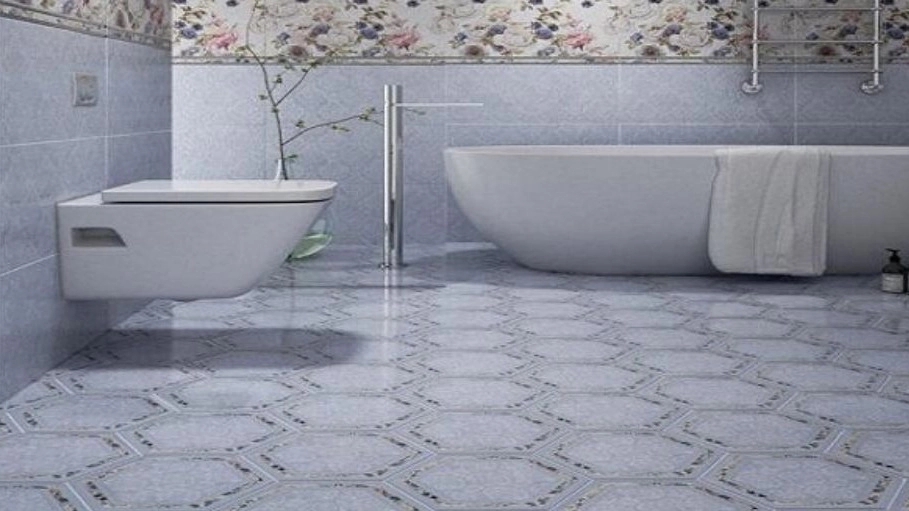
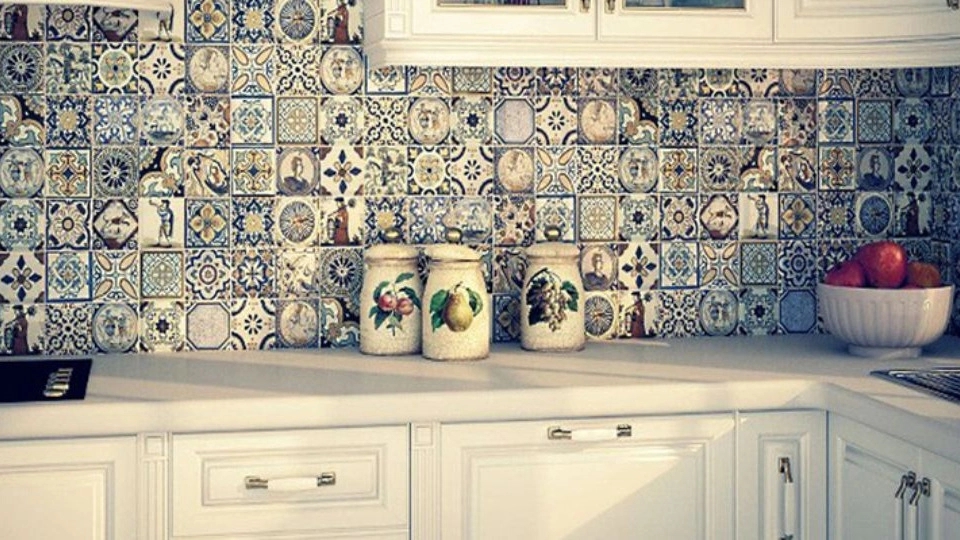
When we Iranians talk about tiles, we mostly mean ceramic tiles made of clay, which are used for building. But the definition of tile has a wider definition. A tile is a thin square or rectangular object made of hard materials such as ceramic, stone, metal, baked clay or even glass. Tiles are used to cover the floor, wall, ceiling and on the table.
Ceramic tile production process
Preparing tile raw materials
💠 elastic raw materials: clay is used for this purpose.
💠 filler or filler: these materials have a high temperature and their task is to maintain the shape of the tile during baking.
p>💠 Melting agents: These materials have a low melting point and melt when heated and become glassy after cooling. Among these materials, we can include potassium oxide, sodium oxide, Calcium and magnesium oxide mentioned.
Tile Powder Preparation
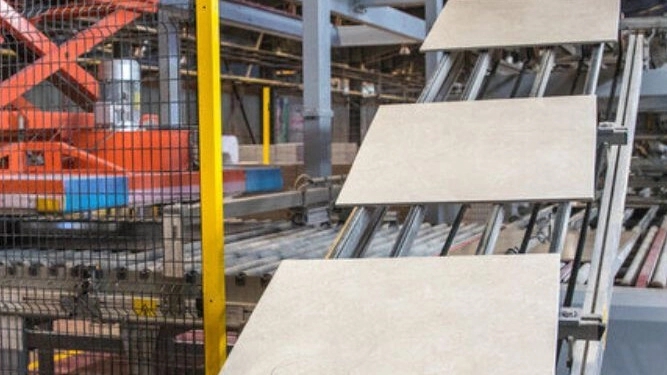
To prepare the powder, the slurry must be turned into a powder, and this is only possible with a spray dryer. The spray dryer sprays the slurry using special nozzles. When the slurry is sprayed, it is exposed to heat and loses its moisture. The dry powder is poured from the outlet of the dryer onto the transfer conveyor. /p>
Ceramic tile formation and pressing
In this part, the prepared powder, which has a moisture content of about 5%, is pressed using pressure to make the initial shape of the tile, which is called a biscuit. Modern press machines automatically They do this and have the ability to apply the plan at this stage.
Tile dryer
Drying is a sensitive step and can have a great impact on the quality of the output tile. In the old days, drying was done by storing tiles in tunnel kilns, which required several days of time and space and a lot of fuel. Today, the speed of work has increased with the use of modern dryers In about 20 minutes, you can receive the dry biscuits and continue the production process.
Glazing
The tiles that need to be glazed are stopped in this area and the necessary activities are carried out on them, and if the tile does not need to be glazed, it is directly transferred to the furnace.
Glazing has two stages. : Engoob and glaze
Engoob is applied to cover the biscuit surface of the tile before glazing, and there are several reasons for it, covering the surface and underlayment for the glaze and increasing the adhesion of the glaze are the main reasons.
Glaze is a melting thin layer that is applied to increase the durability and beauty of the tile.
Baking
After all the activities are done, it is time to re-bake the glaze. In the tunnel kilns, it takes 1 day to bake the glaze, but in the modern kilns that entered Iran 24 years ago, i.e. 1376, the work has become faster and in It takes about 30 minutes or less to bake the glaze. Furnace: Rotary and continuous kilns or traditional tunnel kilns are used to bake the tiles.
Packaging
After completing the production steps and before packaging the product, you still need to do one more thing to be able to market the product.
Grading or sanding
Because of its fragile nature and its long process, the tile has a high potential for damage, and there is a possibility that not all the tiles at the end of the line will be healthy, clean and without defects. In the sorting section, the tiles are reviewed either visually by the operator or by using advanced devices. After the review, depending on the criteria you have, the tiles are divided into several categories. Each batch is divided separately and placed in a carton depending on the type of your packaging machine, and it is shared with the Shrinking Pack machine.