
When the symptoms of tire failure occur, the need to deal with it is equal to maintaining the safety conditions of the car. Tire is an essential part of any vehicle and its condition plays an important role in ensuring the safety of the car. From daily commutes to long road trips, tires are constantly being worn out. However, tire failure can happen when we least expect it and can have serious consequences.
Symptoms of rubber failure
-Roughness of the tread
One of the most common signs of tire failure is uneven tread wear. In this case, the tread on the tire wears out unevenly or wears out significantly more in certain areas than in other areas. Uneven tread wear can be caused by misalignment of wheels, suspension problems, or a little or a lot of overinflated tires. This issue leads to a decrease in the traction and control of the car, strong impacts to the room, noise and a sharp increase in the possibility of tire bursting.
-Infume or blister
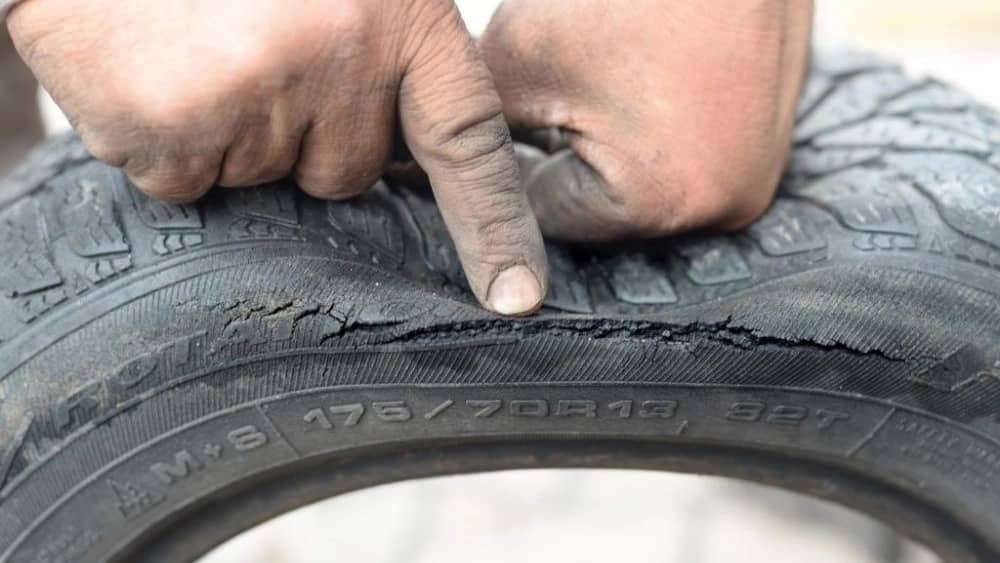
Another sign of tire failure is the presence of bulges or blisters on the sidewall of the tire. These bumps or blisters can indicate that the internal structure of the tire is compromised. This can be due to manufacturing defects, damage, impact or even prolonged exposure to high temperatures. If these bumps or blisters are not removed, they can eventually lead to detonation, which is especially dangerous at high speeds.
-Thewing too much
If you feel excessive vibration while driving, it could be a sign of tire failure. This vibration can be felt through the steering wheel or the entire car and is often a sign of a tire balance problem. When a tire is out of balance, it can cause the vehicle to vibrate and lead to an unpleasant and potentially unsafe driving experience. Also, excessive vibration can also be a sign of tire damage caused by a puncture or internal damage. It is important to address this issue quickly to prevent further tire damage and ensure a smooth and safe ride.
Rubber Factors
-Inappropriate air pressure
One of the important parameters of tire use is the air pressure inside it. Air pressure lower than the required level causes uneven wear of the outer sides of the tire and part of its walls and reduces the overall life of the tires. High air pressure also causes erosion of the middle part of the treads and uneven wear. In both cases of under-inflated or over-inflated tires, the possibility of tire burst increases.
-False use
Driving in conditions such as speed higher than the permitted tire limit or the presence of signs of tire failure greatly increases the possibility of an accident. Also, driving with non-radial tires in bad weather conditions can cause them to flatten and fail sooner.
-Ahmodenicization
Heterogeneous wear of tires due to improper adjustment of wheels, damage to chassis or axles, failure of wheel bearings, swaying of rims, imbalance of air pressure in tires or other factors can cause tires to flatten or fail sooner.
-Environmental conditions
Environmental factors such as direct sunlight, humidity, heat and cold or acidic environment can affect the life and performance of tires and cause them to fail.
-This tall tires.
Tyres, like any other consumer goods, have an expiration date. The life of the tire is between 4 and 6 years, depending on its type and if it is used and maintained in good conditions. It is normal that the tire wears out sooner and should be replaced. Also, when the tire expires, even if the treads are healthy and complete, changing the tire is mandatory. The expiry date of Iranian tires such as Barz, Kirtire and Yazdtire is 4 years.
-Chemical compounds
Some chemical compounds in contact with tires may damage the structure of the tire and cause it to fail.
-Road conditions
The roughness and potholes of the roads are one of the most important factors in momentary and big damage to the tires, as long as there is a possibility of the tire bursting in them. Also, driving in very hot or very cold weather causes premature tire wear due to disrupting the optimal conditions for the tire.
-Ab use inappropriate tires
Using tires that are designed for special driving conditions in different conditions can cause the tires to flatten or fail sooner. For example, using summer tires in winter or vice versa.
-The tires are balanced
Unbalanced tires can cause uneven wear on their surface and premature flattening or failure of tires.