

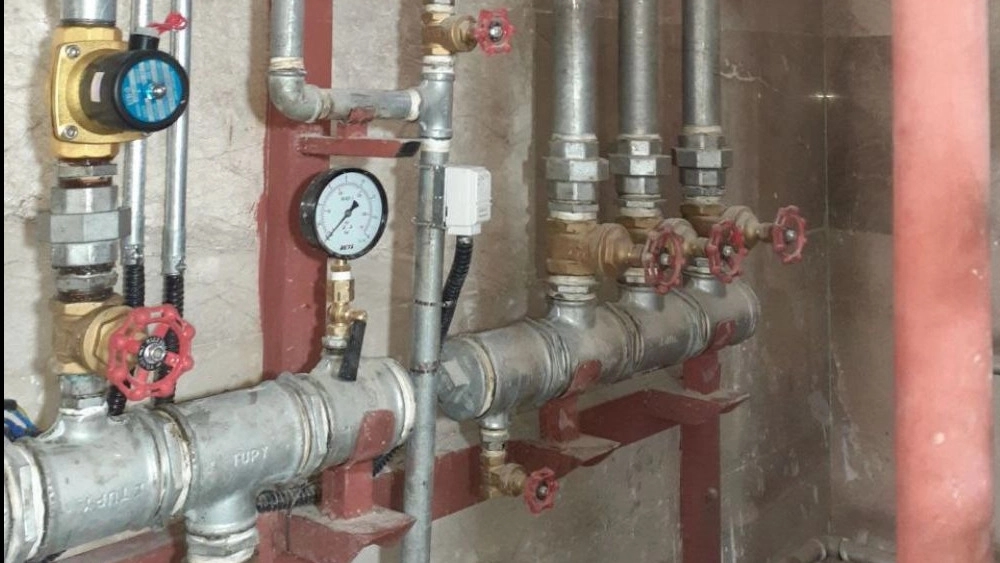
Building plumbing
Building plumbing is divided into three main subgroups: water piping, gas piping, and sewage piping. Each of these three main groups requires separate knowledge and expertise.
In the case of water piping, unprincipled implementation leads to a decrease in water pressure or low heating efficiency.
In the case of gas piping, unprincipled implementation leads to gas leakage in the building and risks caused by explosion. In such a way that it completely deprives the residents of their comfort and removing the bad smell of the bathroom sewage is only possible if the floor of the bathroom is completely destroyed, especially for Iranian toilet bowls.
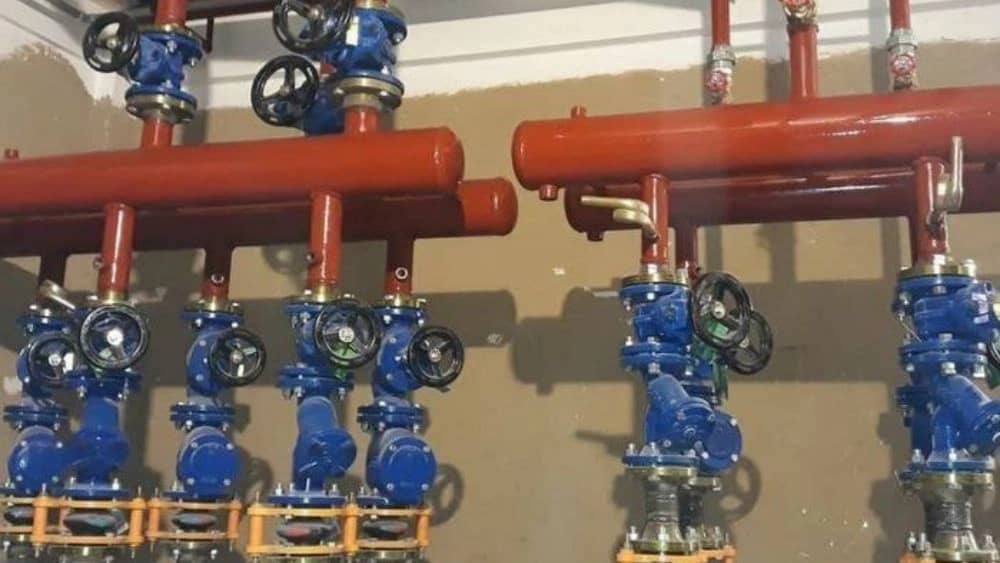
Factors Affecting the Plumbing Price of Building
🔹 🔹 🔹 🔹 🔹 🔹 🔹 🔹 🔹 🔹 🔹 🔹 🔹 🔹 🔹 🔹 🔹 🔹 🔹 🔹 🔹 🔹
For example, sewage piping with Plica pipes is cheaper than sewage piping with cast iron pipes, and since the connections of cast iron sewer pipes are made with lead and hemp, both the cost of goods and the cost of its implementation are higher. Of course, today, the use of cast iron pipes for sewage piping is almost obsolete.
Also, some secondary factors affecting the price of building plumbing, such as the architecture of the building, can affect the price of plumbing. Contrary to popular belief, building plumbing by engineering method can lead to cost reduction through optimization of the piping route and ultimately reducing the consumption of materials. Also, some plumbing work, such as installing a built-in shower, has a separate fee that will be included at the time of installation.