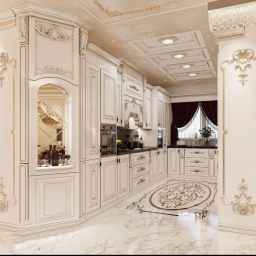

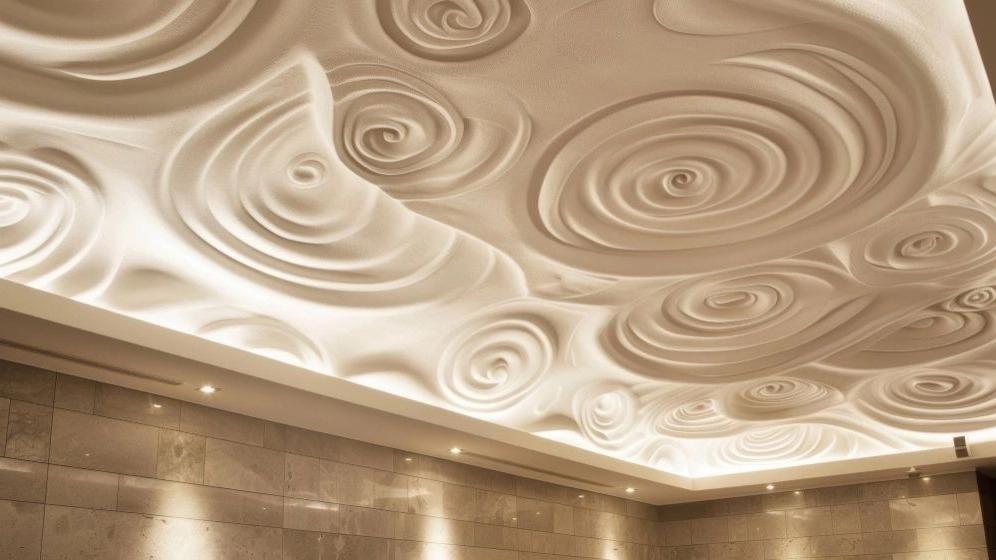
Ceiling plaster
As much as the beauty of the walls and floor of the building is important, the beauty of the roof is also important. Plastering the ceiling is one of the methods of beautifying the ceiling, which can be done first with a simple plastering and then perform various plastering on it. Plastering that was done for ceilings in the past was in classic and traditional styles, but today neoclassical styles are used more. Modern and traditional ceiling plastering is done by prefabricated and manual methods. In traditional plastering, relief designs, miniature painting and gilding technique are used. And in modern plastering, linear and simple designs are used. In these types of styles, ceiling plastering is simple and elegant.
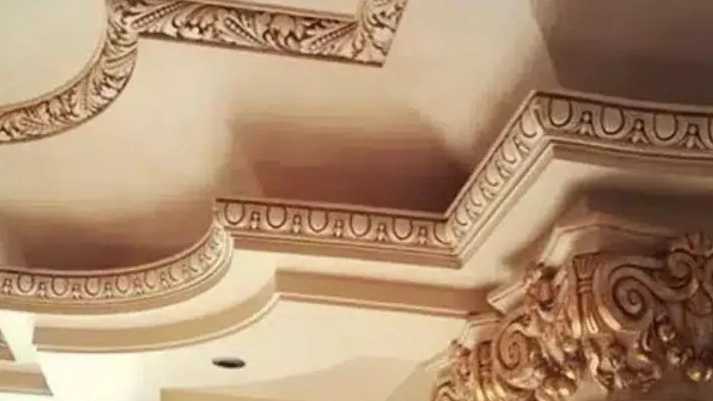
Ceiling plastering developments
Usually plastering of the ceiling is done after the plastering of the walls. In the past, dead plaster was used for plastering ceilings, but nowadays live plaster is used for this purpose. To plaster the ceiling with living plaster, it is applied to the ceiling with the same softness as dead plaster, and after that, it is no longer necessary to trowel.
Ceiling plastering tips
The thickness of ceiling plastering should not be more than two millimeters. If the thickness of the plaster is high, the possibility of its cracking increases over time.
It is better to start the plastering of the ceiling from the side of the windows, so that it is easier to recognize the irregularities of the work surface with the help of light.
It is better to start plastering the roof when the sun shines inside the building, because then the problems can be seen more easily.
After finishing the work, it is better to check the view of the work with the light of the lamps that are installed in the ceiling so that there are no problems.
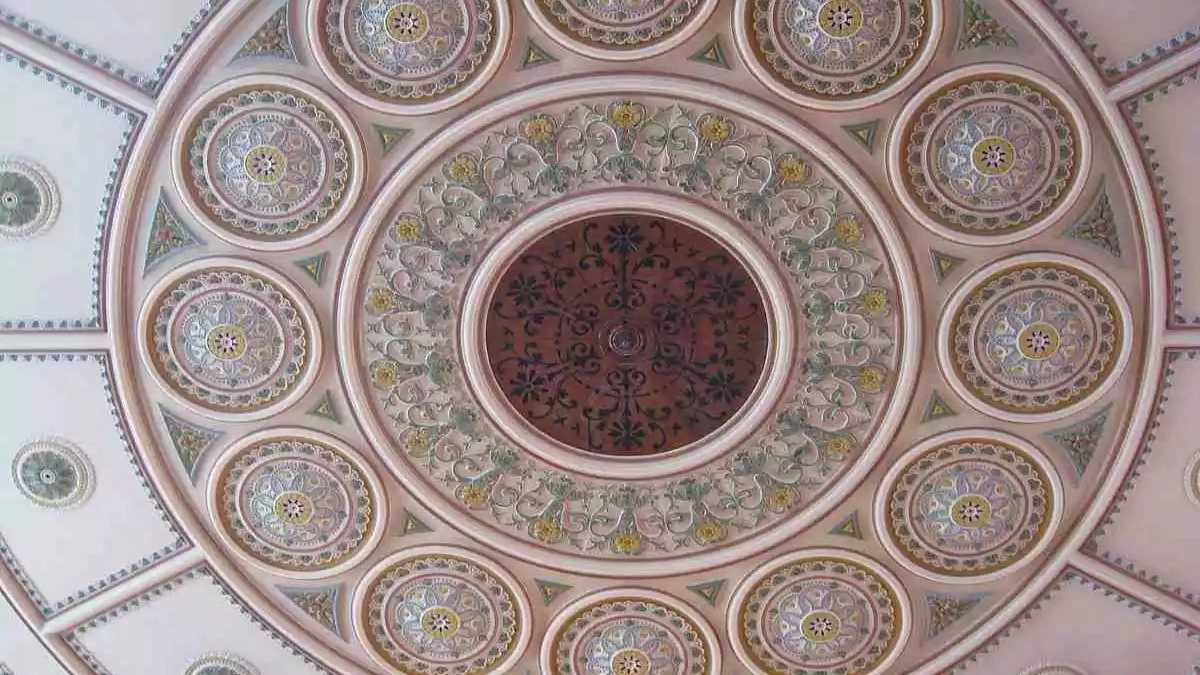
The end of the plastering of the ceiling
It is better to use strong fasteners and barrels for plastering. After finishing the plastering of the ceiling, the same wood as the fasteners and barrels can be used for plastering the columns and the upper part of the walls. Usually, there is some time between the plastering of the walls and ceilings. For this reason, it is better to sprinkle water on the walls before plastering them to remove the dirt. Because plastering should be done on a clean surface so that both the adhesion of the plaster is good and it can be easily drawn on the surface. Before starting the plastering, you should also remove the bumps and damages that have occurred on the surface. For this, choose the right trowel and buy the right plaster.