
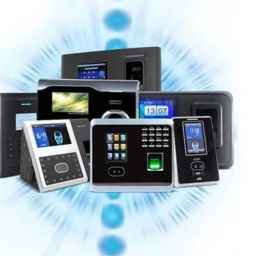

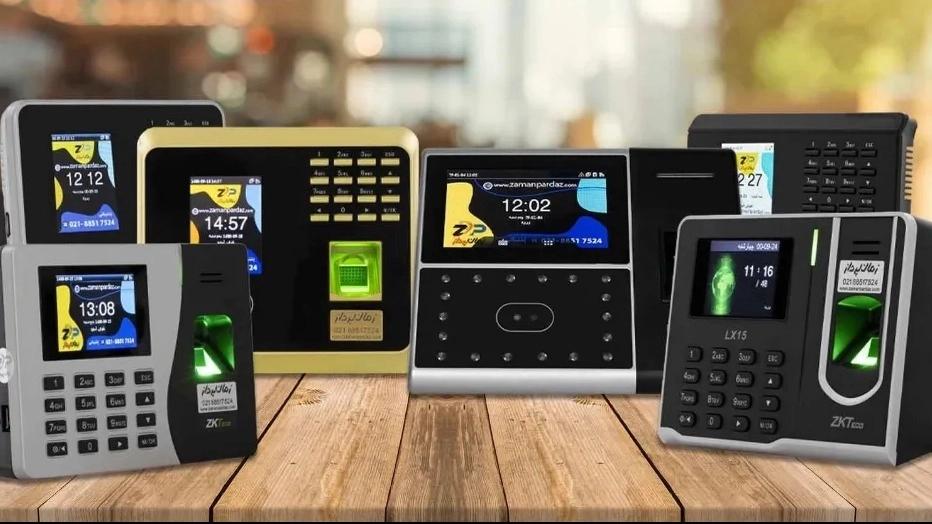
Feature of presence and absence systems
A smart time attendance system helps to track the working hours of employees and ensure that there are no violations in compliance with the rules. It is also very effective in simplifying the calculation of salaries and wages. When creating a digital workplace, a sophisticated attendance management platform is essential. Different countries and regions of the world all follow regular rules for working hours, remuneration and rest. A digital attendance management system tracks these details and makes the auditing process much simpler.
What is the presence of the presence management system?
Any solution that helps to record and track the working hours of employees in a company is called an attendance system. The interesting thing to note is that the attendance and absence system should not necessarily be a digital tool, but attendance and absence registration sheets or spreadsheets based on Excel are also old models of attendance and absence systems.
On the other hand, technology is advancing at a very fast pace, and companies are looking for a large and scattered workforce, so attendance and absence registration tools must meet these needs. This has led to the creation of dedicated attendance software to track employee time, from default software to cloud-based tools with advanced analytics.
A cloud attendance management system offers various advantages, including flexibility, cost optimization, and ease of access to devices and operating systems. In fact, several features make these tools essential for modern organizations.
Essential features of the absence of attendance management system
1- Entry time and exit
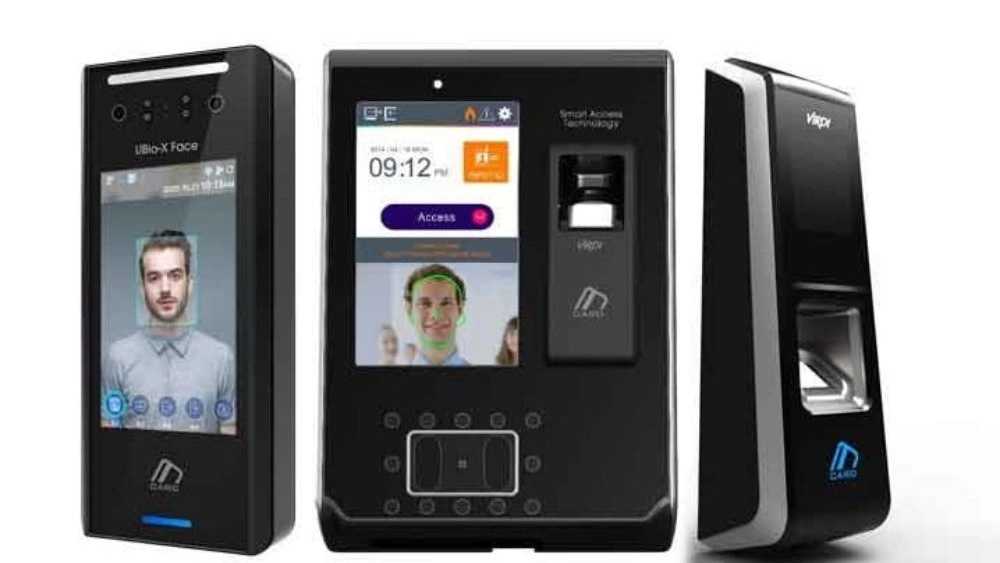
One of the necessities of an attendance and absence management system is that employees can register their arrival time, break time and departure time using face, fingerprint, contactless card and magnetic cards. These identifiers are useful to reduce violations and fraud in entry and exit.
2. Leave management
Leave management is another area where your attendance management system should play a role. A missed day should not be automatically recorded as "absent", instead, the employee should be given notice to apply for time off or make any special attendance requests (such as half days).
3- Merge with salary and wages
If your attendance management system is linked to payroll, compensation will be calculated based on time attended and reconciled with any approved time off or paid time off (PTO). Remember, this is not just about salary per day, but also a really useful software for hourly and partial leave calculations.
4- Reporting
Preparing and maintaining employee attendance records is a key and important responsibility of the human resources unit in any organization. Basic reporting, such as hours, overtime, lost days, etc., should be available in a reportable form.
5. Biometric presence and absence
If you have a large number of personnel with specific check-in and check-out times, biometric attendance is perfect for you. For example, a call center has a 9-hour shift, with more than 100 employees. In this situation, the use of biometric technology using the employee's fingerprint or other personal information (face recognition, iris, etc.), for attendance authorization, eliminates the risk of violation and fraud.
6. Alerts over the missing arrival time
It has happened many times that employees, due to the rush to leave the workplace or after a break, have forgotten to record their time of departure and arrival. Calendar integration is especially good for remote teams, where you can easily check people's attendance through a shared calendar.
7. Sync with calendars
An attendance management system can be synchronized with digital calendars, such as Google Calendar, Outlook and the like. Synchronization with calendars is especially for remote teams where you can easily check the presence and absence of a person with the shared calendar.
Features that set your attendance management system apart
In addition to the needs and benefits, emerging capabilities such as cloud computing, personal services, analytics and employee performance support in large clusters can help optimize performance and simplify HR tasks.
< /p>
8. Support cloud of information and mobile
A cloud-based attendance management system is widely accessible from any device. This process requires integration with the browser, which means that the system can be opened without installing the program. Also, a mobile platform can help increase the number of employees and the productivity of remote employees and enable accurate attendance from any location.
9. Personalization of services
Personal service changes your attendance management system. Your employees no longer need to be at the front door of the office. Instead, they can sit at their desk (onsite or remotely) and log in using an app.
Attendance management systems with advanced analytics provide accurate insight into attendance patterns and highlight those who frequently work overtime. . Behaviors like this can be properly noted and corrected and the desired level of productivity can be maintained in the company.

Content support expert - code 05 - extension 229
Post Author
11140
common:article
I am a content support expert with code 05 in Behazi. My job is to manage, upload and optimize business content. To contact me, you can call 01391001011 extension 229.
Contents of this post
Feature of presence and absence systems
What is the presence of the presence management system?
Essential features of the absence of attendance management system
1- Entry time and exit
2. Leave management
3- Merge with salary and wages
4- Reporting
5. Biometric presence and absence
6. Alerts over the missing arrival time
7. Sync with calendars
8. Support cloud of information and mobile
9. Personalization of services
10. Advanced analysis