
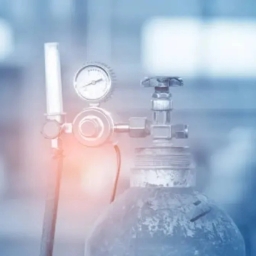

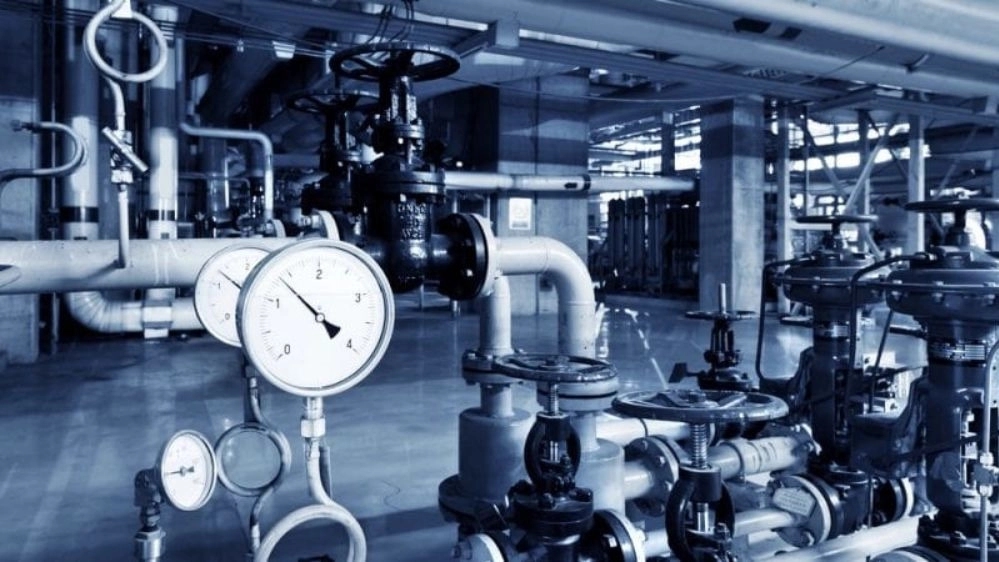
The value of industrial and laboratory gases is due to their physical and chemical characteristics. Types of industrial and laboratory gases refer to gases that are produced on a large scale from the source of industrial gases for use in laboratory purposes or in different industries. Types of industrial and laboratory gases are produced and supplied in two forms, gas and liquid. And they are usually transported to the place of consumption with capsules. Except for highly useful gases for which a pipeline is considered.
For example, the most common atmospheric gases are nitrogen, oxygen and argon, and neon, krypton and xenon are also extracted from the air as rare gases. become They extract methane and helium from sources of natural gas fields and get hydrogen, carbon monoxide and carbon dioxide from methane.
The value of industrial and laboratory gases
Industrial gases are usually used because of having one of the three important characteristics of reactivity, inertness or coolness, and laboratory gases suit the needs of the laboratory. The mentioned features for industrial gases are among those that are important for the production of a product, a protective role or creating a special quality, reducing the cost of production, etc.
Application of industrial and laboratory gases
These gases are used in the production of steel and other metals, oil refineries, pharmaceutical and chemical factories, electronic parts production, rubber and plastic industries, food and beverage processing, glass manufacturing, health care, paper industries, environmental protection. Bio, carrier gas (chromatography) and pure laboratory gases are used.
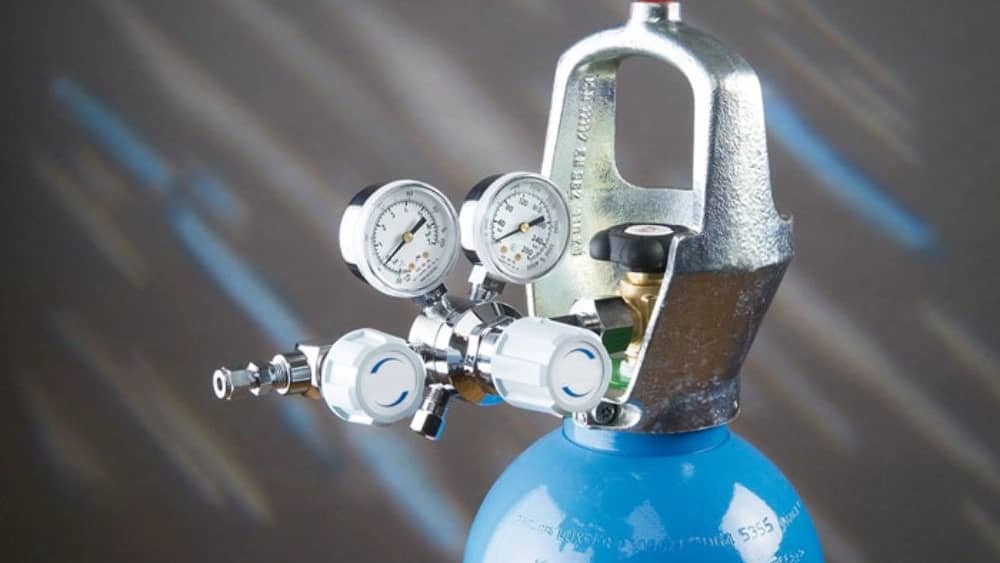
Oxygen and helium
Oxygen and helium gases are two widely used and unique gases for many purposes. Oxygen gas is at the top of industrial gases. Air enrichment with oxygen is considered even vital for biological activities. The defined medical and environmental uses for oxygen gas are countless.
Oxygen is also used in the production of metals such as steel, copper, lead and zinc. On the other hand, helium gas is also used in special applications due to its special characteristics, among which it is a mixture of breathing gas and carrier gas for laboratory chromatography devices.
Ineffective gases
Except for helium, other gases such as neon, argon, krypton and xenon are also in the category of inert gases and because of this feature, they are used in many applications.