


Introducing and getting to know the walnut
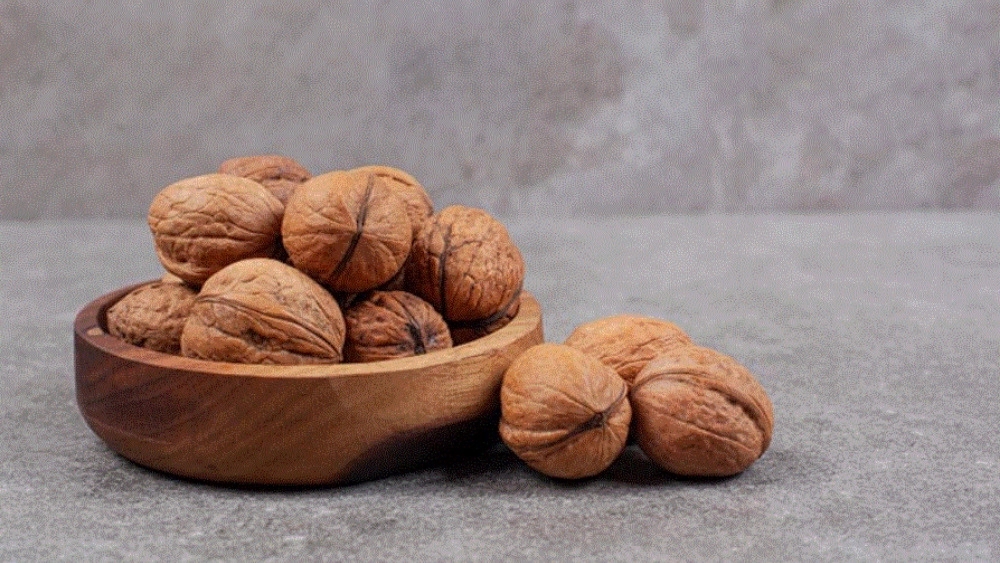
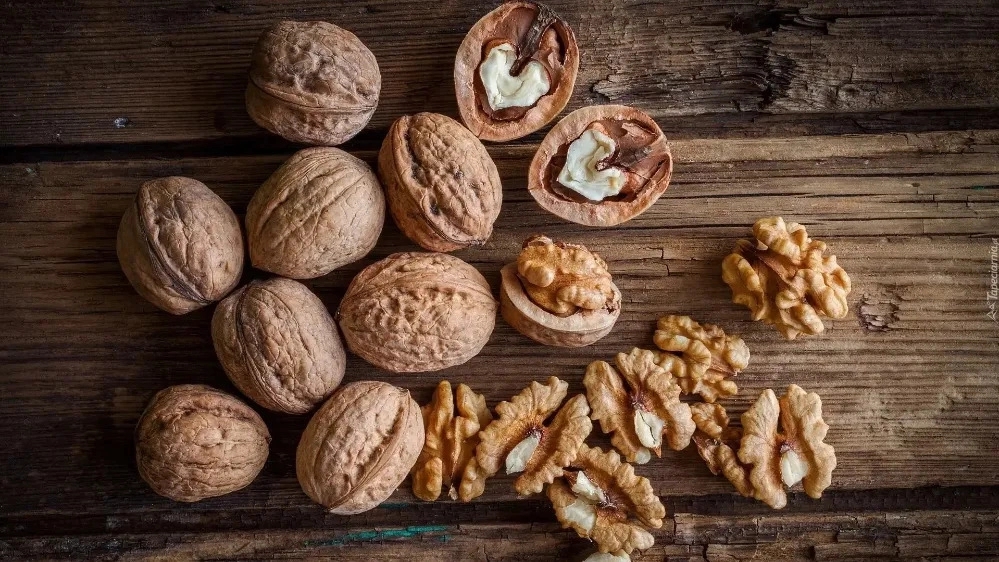
Walnut is a valuable tree that grows in many countries and its fruit is sold. Walnut is said to be one of the native trees of North America. But it must be acknowledged that these walnuts were taken to most parts of the world by English traders and cultivated by the natives of those areas. In general, the origin of walnut goes back to England and Iran. This is why the walnuts of these two countries are of unique quality. Walnuts are harvested in early and mid-autumn season. This nutritious and valuable product, which has a white brain with a brown covering, is in the form of a circle, which has a remarkable resemblance to the human brain, and is placed in a hard, wrinkled wooden shell. The three countries of America, Iran and China are among the biggest producers and exporters of walnuts.
Since a long time, there have been two main types of walnuts, black and white walnuts, which are white walnuts native to Iran and black walnuts native to America. But today, due to the development of medical science and technology, seeds and seedlings of all kinds of products are cultivated in all parts of the world. There are many factors that affect the quality of walnuts, such as climatic and weather conditions, type of irrigation, type and quality of soil, amount and method of pollination and tree care.
Compounds in walnuts
Walnut is a nutritious and vitamin-rich fruit that has a warm and dry nature and is considered an excellent source of useful fats, fiber and protein. Some of the ingredients in walnuts include the following.
1. Manganese:
Manganese is one of the essential substances for the health of the body, which plays a role in strengthening bones, reducing body inflammation, strengthening brain function, and breaking down carbohydrates and fats in the body.
2. Copper:
The presence of copper in walnut compounds leads to the strengthening of bones and joints and also improves the function of the heart and blood vessels.
3. Magnesium:
One of the most important minerals in walnuts is magnesium, which plays an important role in strengthening muscles and the functioning of the nervous system, as well as regulating blood pressure, and its presence in the body reduces Alzheimer's, heart diseases, and diabetes.
4. Phosphorus:
Phosphorus is an important mineral that plays an important role in the health of the brain and nervous system. The presence of phosphorus in the body causes detoxification. This substance also increases the body's energy level and plays an important role in the body's metabolism. The presence of phosphorus increases the health of teeth and bones.
5. Vitamin: B6
Deficiency of this vitamin causes anemia. The presence of vitamin B6 in walnut improves the immune and nervous system of the body and protects the body against infectious and immune diseases.
6. Iron:
Iron is a key ingredient in cardiovascular health. This substance causes the production of red blood cells and facilitates the delivery of oxygen to the organs of the body.
7. Fatty acids:
This important substance in the body reduces the symptoms of fatigue, increases concentration, improves the condition of skin and hair, and the health of bones and joints.

Walnut Properties
As mentioned, walnuts have many properties that increase the health level of the body. Of course, it must be admitted that excessive consumption of walnuts is harmful to the body, just like excessive consumption of anything. For example, excessive consumption of walnuts can cause diarrhea, weight gain, allergies, skin problems such as pimples and acne.
In the following, we examine some of the important benefits of walnuts in the body.
Improves cardiovascular health
Having a large amount of omega-3 fatty acids, walnuts play an important role in reducing blood pressure. Walnuts are also useful for people with high cholesterol and these people can include walnuts in their daily intake.
Boosting the immune system
The abundant amounts of vitamin E in walnuts and the presence of strong antioxidants are a strong reason to keep the body safe from immune and infectious diseases.
Preventing diseases such as cancer and inflammation
Walnut consumption is effective in preventing diseases such as breast cancer and prostate cancer. In fact, the compounds in walnuts also reduce diseases such as skin and lung inflammation.
Improvement of brain and nervous functioning
The presence of the mineral phosphorus in walnuts plays a prominent role in increasing concentration and intelligence, and in this way it can help improve the functioning of the peripheral brain and nerves and strengthen memory.
The health of the joints and bones
The presence of fatty acids and magnesium in walnuts improves the function of joints and bones and reduces inflammation in these organs.
Reduce stress
The amount of melatonin and manganese present in walnuts reduces stress and brings better sleep and mood to people due to its significant effects on relieving anxiety.
Better digestion and digestion
The fiber in walnut strengthens the function of the digestive system and helps the stomach and intestines in digestion.
Maintain the health of the skin and hair
Having a sufficient amount of group E and B vitamins, walnuts help to maintain freshness and softness of skin and hair, and by fighting free radicals, it reduces the signs of aging and wrinkles. Walnut also helps to balance the moisture of the skin and makes the skin and hair shine. This valuable food item also removes dark circles under the eyes. Walnuts, rich in potassium and essential fats, strengthen hair and reduce hair loss, and prevent diseases such as dandruff and eczema.