
Dairy
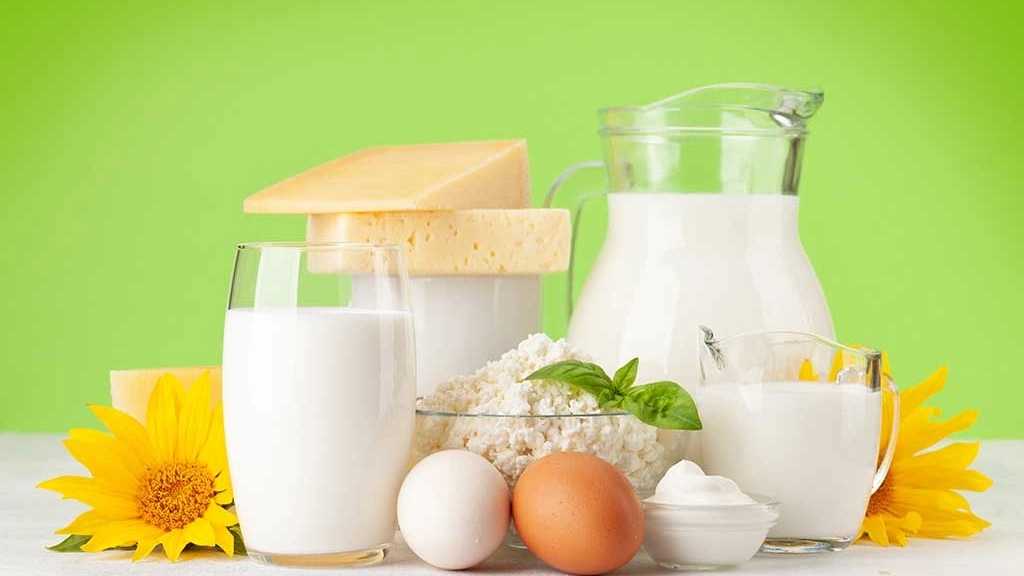
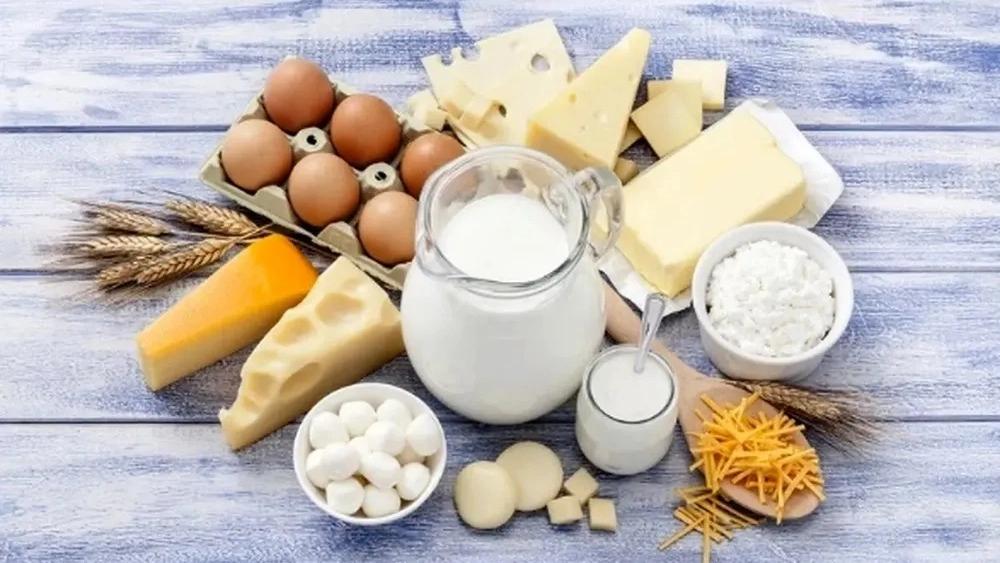
All kinds of dairy products are obtained from milk, which has been an important source of nutrition for people for thousands of years. These products include milk products such as cheese, yogurt, kefir, ice cream and butter. Dairy products such as milk, cheese, and yogurt each contain nutrients that your body needs. For example, all three contain protein, calcium, and vitamin B12, which help rebuild and restore muscle tissue, build and maintain strong and healthy bones and teeth, respectively. They help maintain the nervous system. In addition, protein, zinc, selenium and vitamins A and D in each cup of milk help to strengthen the immune system.
Its milk and its benefits
Cheese feature in dairy
Natural cheese is a fermented food that is made from four main ingredients, including milk, salt, a type of beneficial bacteria and an enzyme called rennet. Cheesemakers use different ratios of this basic formula along with different processes to create different types of cheese with different textures, flavors and colors.
Among the types of dairy products, cheese has advantages beyond diversity and different colors. Like other dairy products, cheese is a good source of calcium, protein and phosphorus; Three nutrients that are essential to help build and maintain healthy bones.
With hundreds of types of cheese available, from creamy and melty to hard and chewy, there is something for everyone in the world that can put a smile of satisfaction on their face. If you like cheese among all types of dairy products, there are many recipes where you can eat cheese from breakfast to dinner and even for a snack.
There may even be cheese in your favorite dessert. Finally, we can say that among the types of dairy products, cheese is suitable for almost everything, including fruits, vegetables, whole grains, beans, etc.

Yogurt and its properties
The properties of butter for breakfast
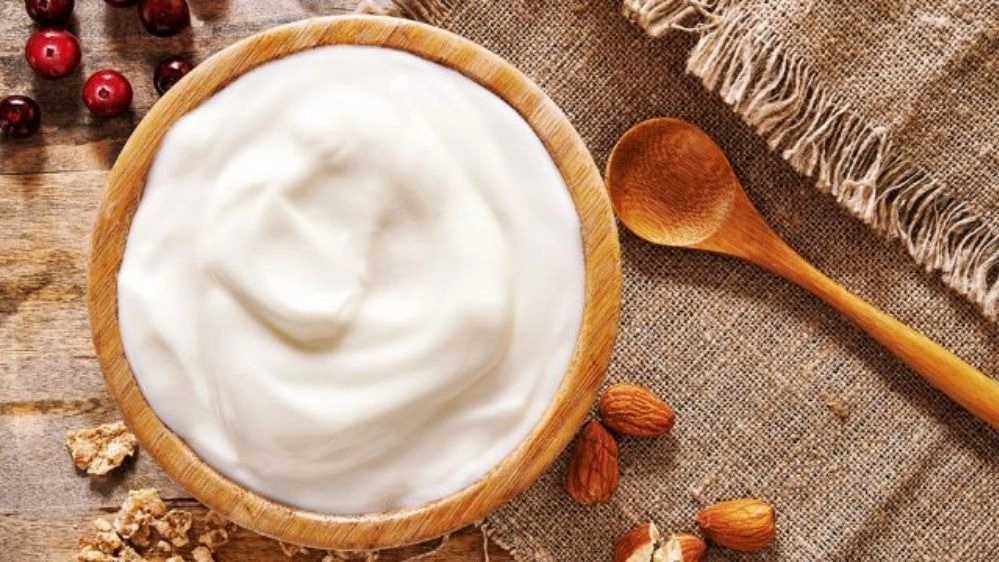
Whether you use it in mashed potatoes or bake your favorite cake with it, among all dairy products, butter is a staple in many refrigerators and dining tables around the world. From salted and unsalted butter to churned and clarified, butter can add new flavors to your favorite foods. Butter is a concentrated source of milk fat with some water and nonfat milk solids. It is prepared from milk, cream or both of these ingredients. Traditional butter (80% milk fat) is made from pasteurized cream and can be salted (often referred to as sweet cream butter) or unsalted. Another common type of butter is churned butter, which is called regular butter. Clarified butter is clarified melted butter separated from milk solids and water. Since clarified butter can be heated to a higher temperature without burning, it is a good choice for frying food. Butter contains vitamin D, a nutrient that is vital for the growth and development of bones. Butter, like other types of dairy products, contains calcium, which is essential for bone strength. Calcium also helps prevent diseases such as osteoporosis, a condition that makes bones weak and brittle. Butter also contains vitamin E, which plays a role in skin health. This nutrient reduces the damage caused by the sun's ultraviolet rays, reduces skin inflammation and accelerates the healing rate of skin wounds.
Ice cream
Among the types of dairy products, there is no product like ice cream that can captivate many people at the same time. Whether to celebrate a special occasion with friends and family or to make an ordinary moment special, ice cream can be the right choice. Ice cream is made by stirring a mixture of pasteurized milk (and sometimes other dairy products such as cream), sweeteners, and flavorings during freezing, and may also contain stabilizers or emulsifiers. Ice cream must contain at least 10% milk fat. Ice cream is a great source of vitamins A, B-6, B-12, C, D and E. The matter does not end there; Ice cream contains vitamin K, which prevents blood clotting.
Buttermilk, useful and nutritious drinks
Because buttermilk is obtained by diluting yogurt, it has less protein and calcium, but those who do not consume other dairy products should drink buttermilk. There are salty and carbonated buttermilk, but it is better to choose non-carbonated and low-salt types. In addition, every 2 glasses of buttermilk has energy equal to 1 glass of milk and it should be considered in the total amount of daily energy intake.
Benefits of Dairy Consumption:
Milk and dairy products are a very good source of providing the protein needed by the body, daily consumption of two glasses of milk provides 50% of the protein needed by adults.
• Calcium in milk and dairy products prevents soft bones, slow growth, tooth decay in children and osteoporosis in adults.
• Consuming 2-3 glasses of milk per day can meet the body's need for calcium in adults.
• Phosphorus along with calcium is effective in bone formation and strength and interferes in building muscle tissue, brain and nerves.
• Milk contains some vitamins such as A, B12, B2, B1.
• Deficiency of vitamin A causes night blindness, eye problems and a decrease in the body's resistance to infectious diseases.
• Lack of vitamin B1 causes loss of appetite, impatience, physical and mental fatigue.
• The effects of vitamin B2 deficiency in the body include: scaling and drying of the skin around the mouth, ears, and nose, in severe cases of deficiency, vision impairment occurs. Consumption of 2 glasses of milk provides about 50% of the vitamin B2 requirement in adults.
• Vitamin B12 is one of the essential components in the formation of red blood cells, and the symptoms of deficiency of this vitamin are: anemia and fatigue. By consuming 2 glasses of milk daily, about 50% of the body's need for this vitamin is provided.