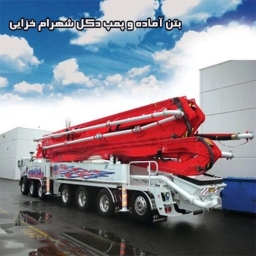

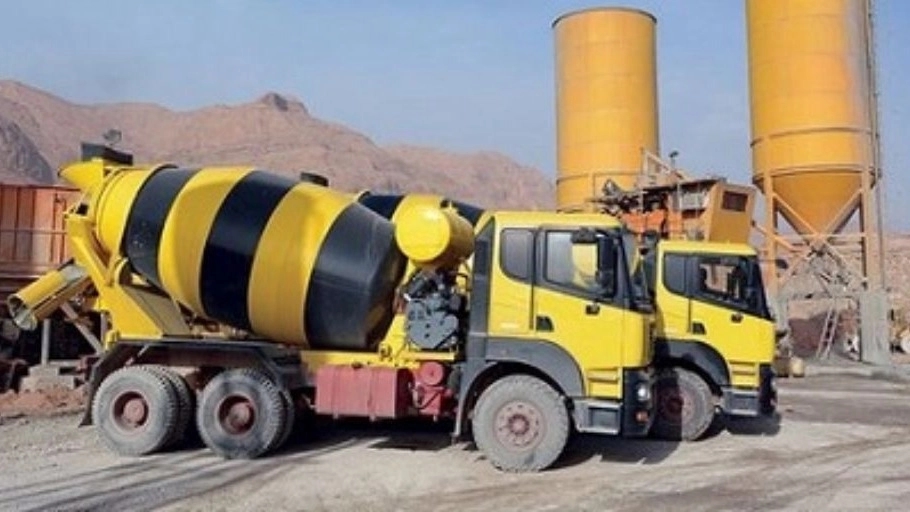
What is concrete ready?
Ready concrete is the most valuable building material that is produced in the concrete factory by advanced machines called batching based on the required standard specifications. The ready mixed concrete compounds are mixed in the desired ratio in the factory and then, the ready mixed concrete is transported to the job site through concrete mixer trucks. The terms concrete and cement are often used interchangeably. However, these two products are not the same. Cement is the main component of concrete and acts as an adhesive. Portland cement is the most common cement used in ready-mixed concrete. The components of concrete include sand, sand, cement and water, and the strength and durability of concrete is mainly determined by the ratio of the components. Each cube of concrete is usually custom made to meet the specific needs of the contractor. So making sure you do the right research and communicating directly with the factory is essential when buying ready-mix concrete to make sure you get the perfect mix.
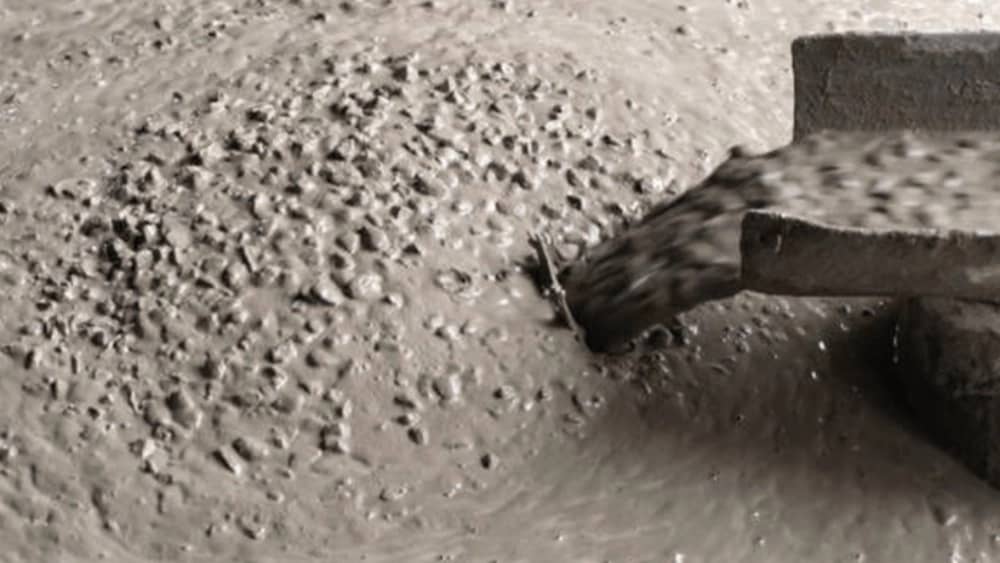
How to produce and transfer ready -made concrete
Production of ready-mixed concrete is done in two different ways. In the first method of making ready-mixed concrete, all ingredients of the specified type of concrete are mixed together and prepared in specific quantities in the workshop or factory. After going through the production process, the final product is transported to the desired location by special machines. In the second method, all the concrete compounds are transferred to special trucks after accurate measurements and then sent to the project workshop. Using the second method in the production of ready-mixed concrete is better because in this method, if the use of concrete is delayed, the ready-mixed concrete will not lose its quality and will be usable, but do not forget that in using this method, we are limited. We are facing the volume of concrete.
The process and process of making concrete ready
Sand, sand and cement preparation
Sand, Portland cement and stone are the main components of ready-made concrete, and therefore it is necessary to prepare products of the right quality and standard in the first step.
Note: To produce concrete, you must buy Portland cement in bulk from a cement factory, because the type of cement has a significant effect on the strength and resistance of concrete types.
The combination of sand with cement
At this stage, the sand stone and cement are transferred by the conveyor belt to the tank inside which there is a mixer. The mixer mixes the sandstone and cement together and a uniform mixture is created.
Note: Depending on the size of the customer's customized sandstone and concrete, the mixing time is different and this time is determined by the technical manager.
Discharge of sand and cement
After a certain time for mixing, the material should be transferred to the plastic belt by the funnel. The size of the funnel can be changed according to the size of the tank and the volume of concrete.
Note: By transferring the material from the tank to the plastic tape, it can be prevented from being wasted.
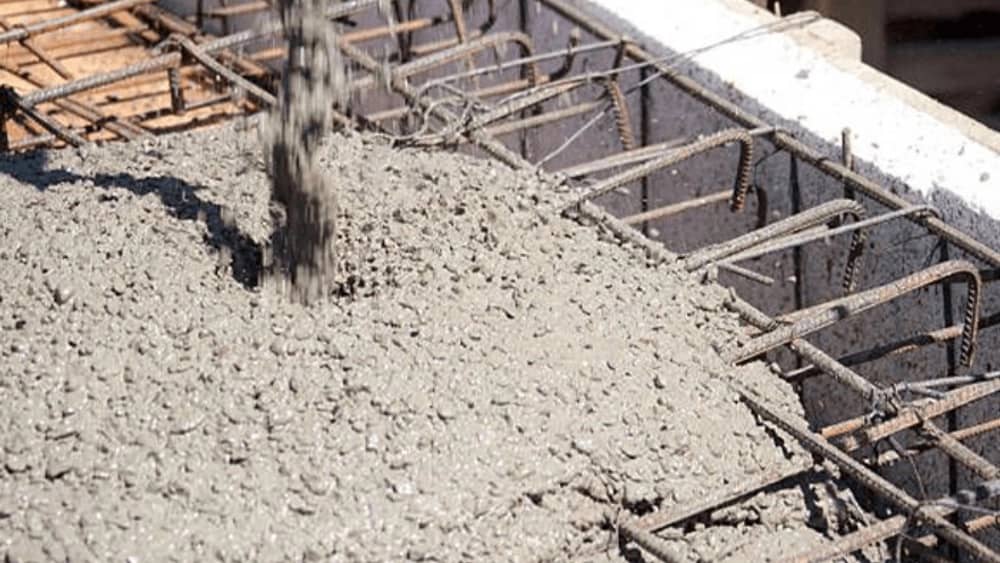
Transfer of the initial composition to the main tank
This stage is called as the most important stage of ready concrete production. Here, the raw material transferred to the plastic belt from the mixing tank is transferred to the main tank in a rotary motion.
Note: To improve the quality of concrete, less material should be poured into the tank.
Add water and other additives
It is good to know that the water tanks are directly connected to the main tanks and mixers, and additives are also added to the concrete compositions according to the judgment of the technical officer.
Ready concrete application
Ready concretes are used in different parts according to their strength and quality. Among the applications of concrete and the places where concrete is used, the following can be mentioned:
Beams and columns of concrete buildings
The foundation of the building
Concrete shear walls
flooring
dam building
Concrete retaining walls
Construction of tunnels
Security centers