

Dairy Products
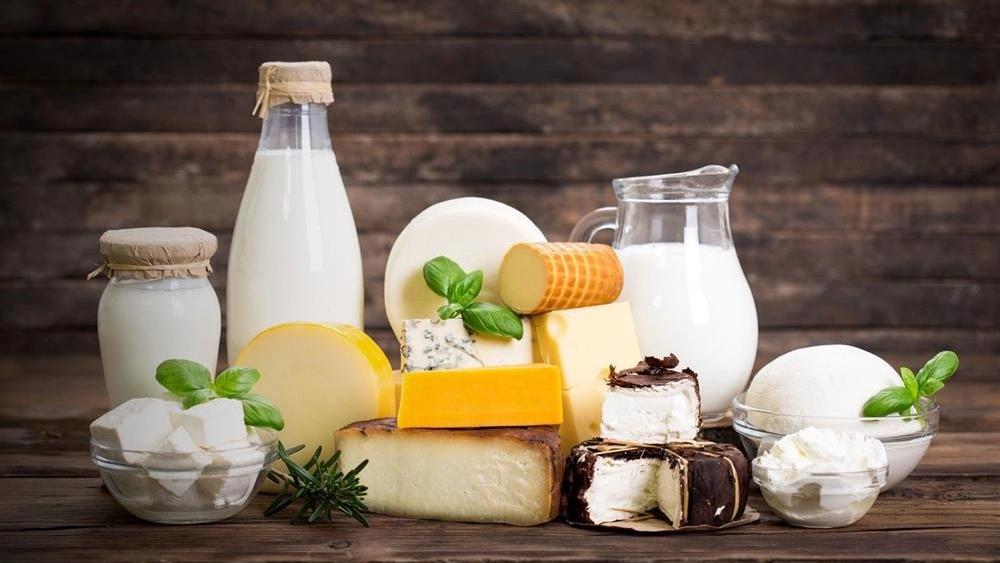
Dairy family and dairy products are actually foods and drinks containing milk obtained from a lactating animal, usually a cow. Other animals whose milk is used to produce dairy products include buffalo, goat, sheep and camel.
1
Milk is the basis of all other dairy foods. Cow's milk is almost 90% water, but it also contains protein, fat and minerals. Some milks are also enriched with vitamin D. Cows, like humans and other mammals, breastfeed their babies after giving birth, and that's why their bodies produce milk. This allows dairy producers to milk and sell milk from dairy cows for human consumption. Cows are typically milked two or three times a day, and due to the unprecedented volume of milk produced in today's industry, many farms in the United States and other countries now use machines that attach to the cow's udders and mechanically milk them. they drink Milk is also used to produce other dairy products.

1
Another product that includes dairy products is cream. Cream is obtained by separating the fat layer on top of the milk before it is homogenized; Milk homogenization is a process that reduces the fat content of milk and makes its color and texture more uniform.

1. Korea
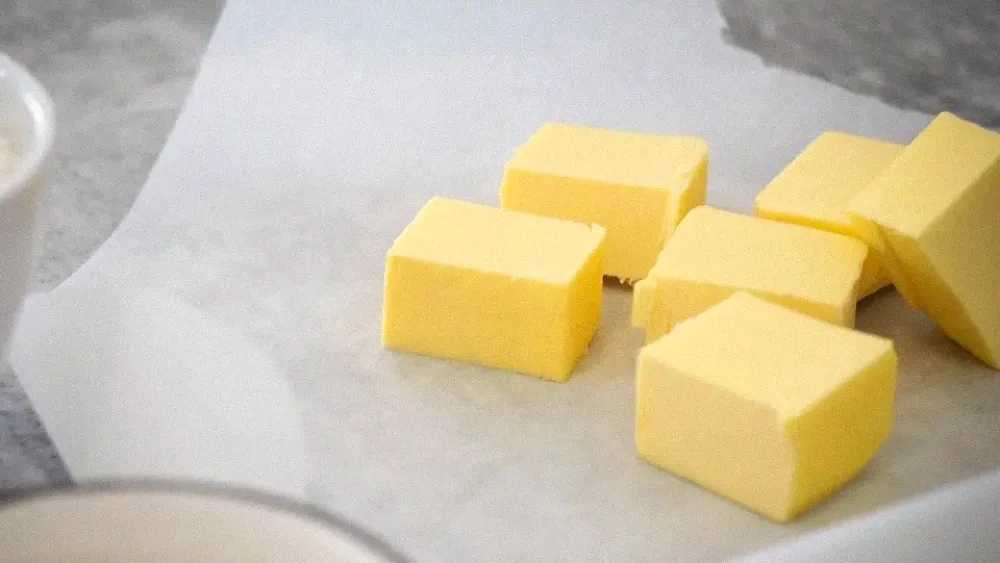
Manufacturers process milk or cream to create butterfat, which is more concentrated than milk fat. Butter, together with water, protein and other milk solids, contains up to 80% fat.
There are different types of butter and it is produced in different flavors. In addition, some butters are produced in vegetable form, which are called margarine butter.
1. Cheese
۱ yogurt
Yogurt also belongs to the dairy family and is obtained from milk fermentation like cheese. Special bacteria are used to produce yogurt.
Yogurt often contains sweeteners and thickeners and is produced in various flavors. Yogurt is usually used as a side dish, but sometimes it is also used as the main ingredient in cooking some dishes.
1. Frecommated Products
Dairy fermentation is the process of using bacteria to break down sugar (lactose) in milk and create lactic acid. Fermented milk products include sour cheese, sour cream, blue cheese and kefir.
۱. Ice cream
Ice cream is the most common and popular frozen dairy product, which is formed by freezing milk, cream, sweeteners and other ingredients.
Gelato is also a type of Italian ice cream that is often thicker and creamier because less air is introduced during mixing. Custard is another type of frozen dairy.
Dairy Properties
1. Dairy and Bone Strengthen
Evidence shows that dairy products improve bone density and reduce the risk of osteoporosis and bone fractures in older adults. However, dairy is not the only important source of calcium for the body. Non-dairy sources of calcium include kale, leafy greens, legumes, and calcium supplements that you can include in your diet as alternatives if you are vegetarian or lactose intolerant.
However, research shows that calcium is not the only nutrient found in dairy products that is effective for bone health. Dairy is also a good source of protein and phosphorus, which you need to reach maximum bone density during growth and prevent bone fractures as you age.
2. Dairy and Recovery of Obesity and Diabetes Type 1
Dairy consumption has different effects on body weight. Evidence suggests that dairy consumption, especially with a low-calorie diet, may reduce fat mass and increase fitness.
Consumption of different types of yogurt (including regular, low-fat, high-fat, and Greek yogurt) is directly related to the prevention of the risk of obesity, high blood pressure, high blood sugar, and triglyceride levels in the body. Some evidence also suggests that certain dairy products may reduce the risk of diabetes. In addition, probiotics in dairy products, especially yogurt, play a key role in managing blood sugar levels through mechanisms that involve multiple organs and systems, from the brain to the immune system and gut.
2. Dairy and Recreation of Heart Disease
Recommends low-fat dairy products to limit saturated fat intake and reduce heart disease risk. However, recent research suggests that saturated fat from dairy products may not be as damaging to heart health as saturated fat from meat. Because dairy and meat have different fatty acids. Unlike beef, which has long-chain fatty acids, dairy has a higher proportion of short- and medium-chain fatty acids. Short- and medium-chain fatty acids have different effects on heart health and may even have benefits. Products fermented with probiotics such as yogurt and kefir have many health benefits. Research shows that this type of dairy is associated with lower cholesterol (bad LDL) levels and lowers the risk of high blood pressure and heart disease. However, in the literature on the benefits and harms of dairy, there is no strong evidence that dairy fat directly helps or hinders heart health, and the scientific community has yet to reach a consensus on this issue. .