
Car paintings
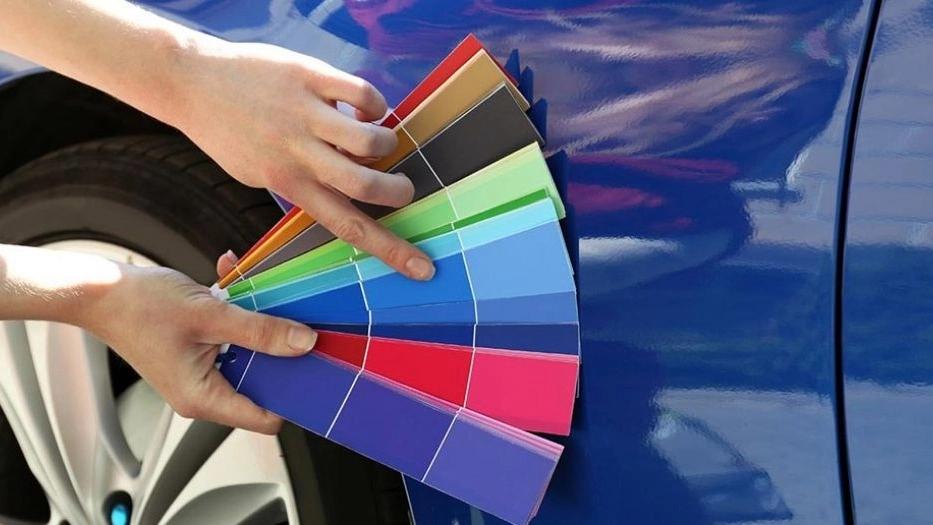
The color of the car can be detected by 4 methods, which are as follows:
Determining the color of the car visually
Car color recognition using magnets
Painting the car by rubbing on the body
Detection of staining using a digital color detection device
The color detection of the vehicle in the eye
Although this method is not very accurate and many things may be hidden from the viewer; But by using the following ways, you can find out to an acceptable extent whether the car is painted or not.
Color difference in different parts of the car
When a part of the car needs to be painted, they usually cover the other parts and paint only that part. The color that the factory uses for the car is a combination of different code colors, which makes the color that is later applied to the car due to an accident or any other reason different from the factory fabric color. Of course, these days painters and polishers have advanced a lot and work skillfully, but still, you can see this problem visually to some extent. On the other hand, by checking the bolts and nuts of the hood, fender, etc., you can suspect its discoloration. Because some parts are opened for painting and installed again after painting. The presence of wrench marks on the bolts and nuts can be a proof of the car's discoloration.
Colors
Painters cover the other parts while painting the desired part; But sometimes some paint may be splashed on other parts. To check this, lift the hood, open the doors. There should be no traces of paint splatter on the inner edge of the hood and doors. Also check the wires on the doors. The presence of paint in these parts indicates that the car has been painted. The inner edge of the handles can also show discolouration. By examining these parts, sometimes you can see the effect of paint spraying or plastering.
Check the edge of the hood, boxes and fenders
In addition to sprinkling paint on other parts, you can also notice its discoloration from the wax on the edges. The edges of these parts are waxed in the factory and a special wax is used for this. In case of repairing or replacing a part of the car, these waxes must be removed. It is true that some repairmen try to cover this difference by re-waxing, but you can understand this to some extent by comparing different parts.
Reflection of the image in the body of the car as wavy
Look at different parts with an oblique angle, about 160 degrees. If the reflection of the images on the body is wavy, it means that those parts have been painted. The image should be smooth and uniform.
The effect of sanding
A random and painted car is first smoothed to remove its defects, then sanded and finally painted. When the car is painted, the sanding results in hatch-like lines appearing on the painted parts. For this, be sure to check the fenders, especially the edges. As you know, body insurance is one of the most popular insurances among drivers. Although this insurance is not mandatory, but due to the high cost of car parts and repairs, most drivers purchase this insurance policy.
Take a photo of the car
Take pictures of different parts of the car with your mobile phone. To do this, stand at a distance of 2-3 meters from the car and take a picture. In the photo, the painted parts and the factory fabric are different in terms of transparency.
Coloring
Factory fabric colors are of good quality and do not peel off easily. If you see this discoloration or flaking in parts of the car, doubt the original color of those parts.
Killer on the body
Many painters use killer to polish the painted surface. The filler that the factory sprays on the car is different in texture from the filler that painters use. If you look at some cars from the side, you can see regular hexagonal houses on the body, which is the result of the killer that the factory sprinkled on the surface of the car. If the killers used by painters for matching and polishing are either irregular or checkered and have matte parts and polished parts.
Car color detection using magnets
One of the ways to detect car paint is to use weak magnets. To do this, draw the magnet on different parts of the car. If you notice a difference in the amount of attraction of the magnet, the car definitely has paint. Car bodies that are made of iron and steel attract magnets. The more color on the body, the less the magnet will be stolen. For this purpose, you can also use special magnets to detect car discoloration. A change in the magnet's attraction number means the presence of discoloration in the body.
Detect the color of the vehicle by pulling on the body
Go around the car and try to touch the surface of the body with your fingertips. The unpainted car has a polished and smooth surface. If you detect roughness, roughness and unevenness on the surface, be sure that the car has been painted in those parts.
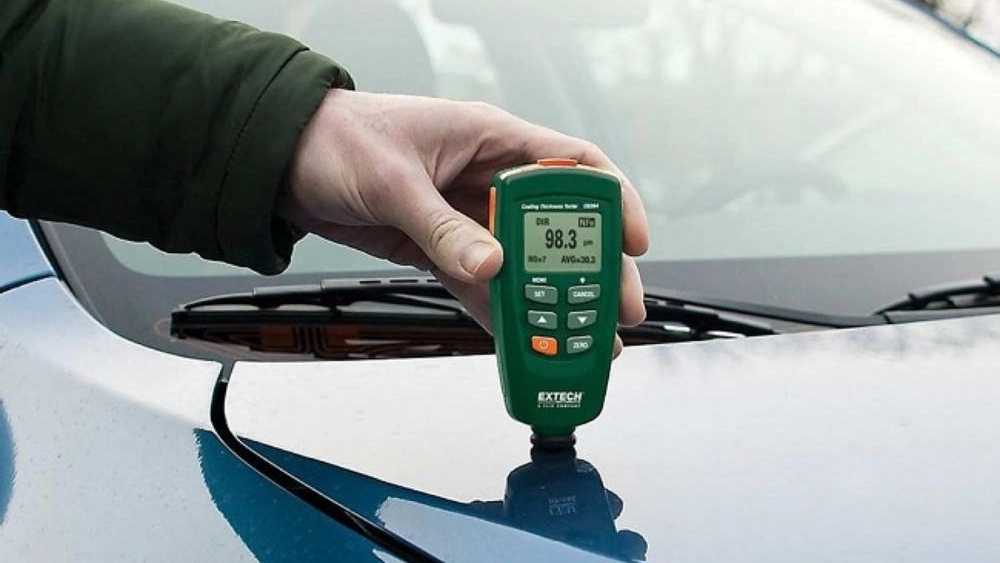
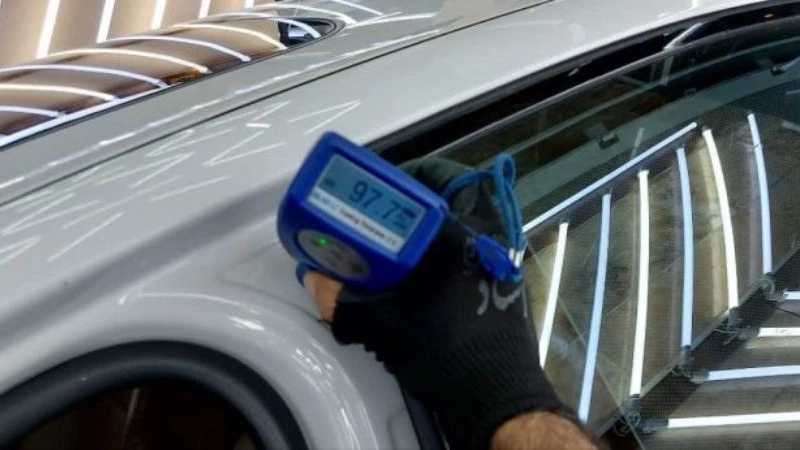
Car color detection using the device
The last and most reliable method is to get help from experts and use a digital device to detect car discoloration. Important factors in car paint are the density and thickness of the paint. Digital color detection devices measure the color density and thickness of different parts; By using these numbers, discoloration is detected. Even if the whole car has been repainted and the thickness is the same in different parts, you can definitely tell from the number shown that the car has been painted or not. If the thickness is higher than about 4.7, it indicates coloring. Those who intend to buy a car through a car broker should pay attention to all points.