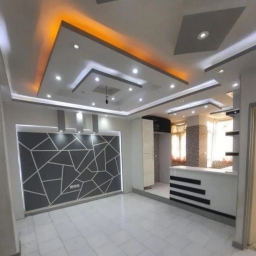

Kenaf is an example of false ceilings, which is made of plaster or non-plaster connections to the ceiling. This item has been used in building construction for more than 80 years.
The benefits of using cannabis
Kenafs have a very high colorability. But note that before painting, you must putty it. One of the advantages of Kenaf is their high execution speed. The materials used in Kenaf can be recycled up to 75%. If you implement the kenaf according to the defined and very basic standards, it can be a good thermal insulation in addition to the special beauty it gives to the house. Compared to traditional methods, less manpower is needed in the implementation of knaf. As a result, you can save on the consumption of cement, steel, lime, plaster and soil. Kenaf transforms old environments into new spaces with different uses.
Application of all kinds of cannabis in the building
Hemp
Kenaf separating walls are used to divide the interior spaces of the building. Since these walls are non-load-bearing, they cannot bear much weight. Kenaf partition walls of light steel frames are available in the market in the form of U-shaped and C-shaped sections. The empty space that exists inside the separating wall of Kenaf allows the use of various types of thermal and sound insulation.
Covenant walls
Kenaf covering walls are used for quick and efficient reconstruction of walls in old buildings, covering of new masonry walls (thin work) and thermal and acoustic improvement of buildings. Covering walls are divided into two types of kenaf without structure and kenaf with structure.
False ceiling
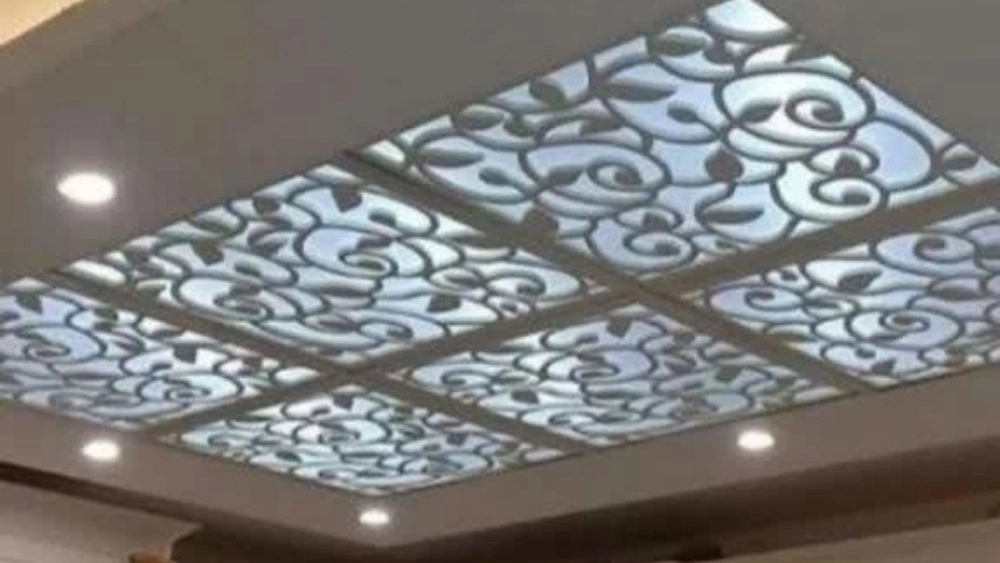
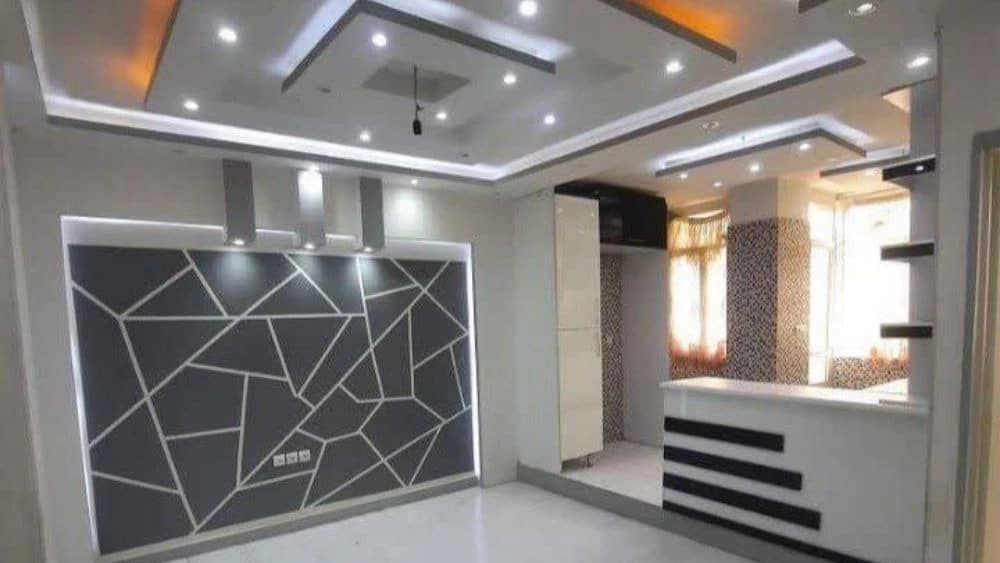
Kenaf false ceilings are made and offered in the market in two types: integrated and mesh.
Unified false ceilings
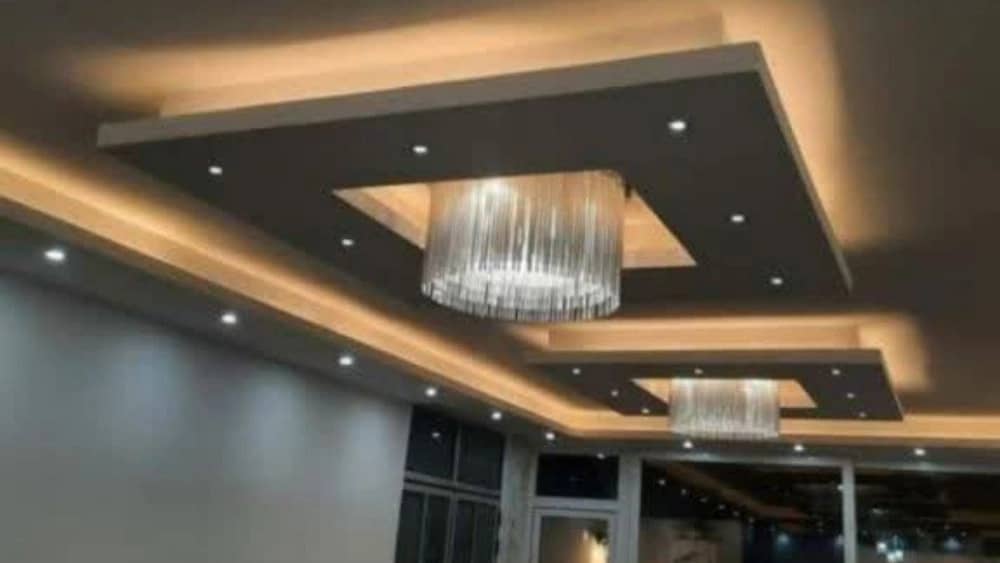
Integrated false ceilings are light ceilings that have special technical characteristics due to industrial production, one of the most important of which is earthquake resistance. This type of kenaf is used in the construction of decorative suspended ceilings.
Lavish
The mesh false ceiling system is in such a way that a network of shield structures hold the plaster tiles. These networks are connected to the main ceiling by means of adjustable hangers. Plaster tiles of mesh false ceilings are placed in these grids and form the main structure of the Kenaf false ceiling.