

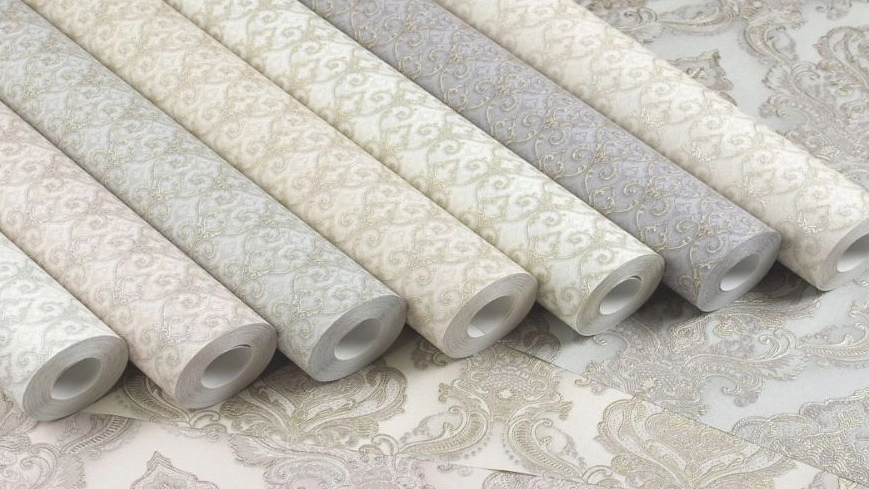


Wall paper is a type of coating to cover the surface of the walls, which is designed and made in various designs and models, and it is produced in four types of flat printing, cliché, silk screen and rotary printing.
Wall paper can be purchased in rolls or meters, which are attached to the wall using a special adhesive.
Wallpaper Designs
Wallpaper Application
The use of wall paper has always brought many advantages. One of these advantages is that if you are allergic to the smell of paint, you can easily use wall paper because it does not have a specific smell and dries much faster than paint. In the past, every person who used wallpaper, the only concern that might have made him hesitate to use it was that they were not washable, but today this has been provided and washable wallpapers have been put on the market. If a person needs to wash all or part of the wall paper, he can wash the wall paper with the least effort using a damp cloth.
Important Tips on Buying Wallpaper
Wallpaper Types of
Non-woven wall paper (Nan Won): The ingredients of non-woven wall paper are produced from a mixture of long cellulose fibers and textile fibers in a paper machine. This network is reinforced by acrylic materials and with the help of pigments they create a kind of blur. Special additives are also used to create moisture, strength and absorption power. Nonwovens created materials that do not change shape in terms of dimensions and size; Therefore, the moisture acts as a glue that can be used to install the paper on the wall. This technique saves a lot of installer time and the installer no longer needs to re-glue the paper and wait for the next piece during installation. Non-woven papers are very easy to install and can be reused. Because they do not lose their shape due to the sticky material behind the paper, when it is necessary to remove the paper to perform some tasks such as repairing the installation and electrical system that are embedded in the wall behind the paper, the paper can be separated from the wall and
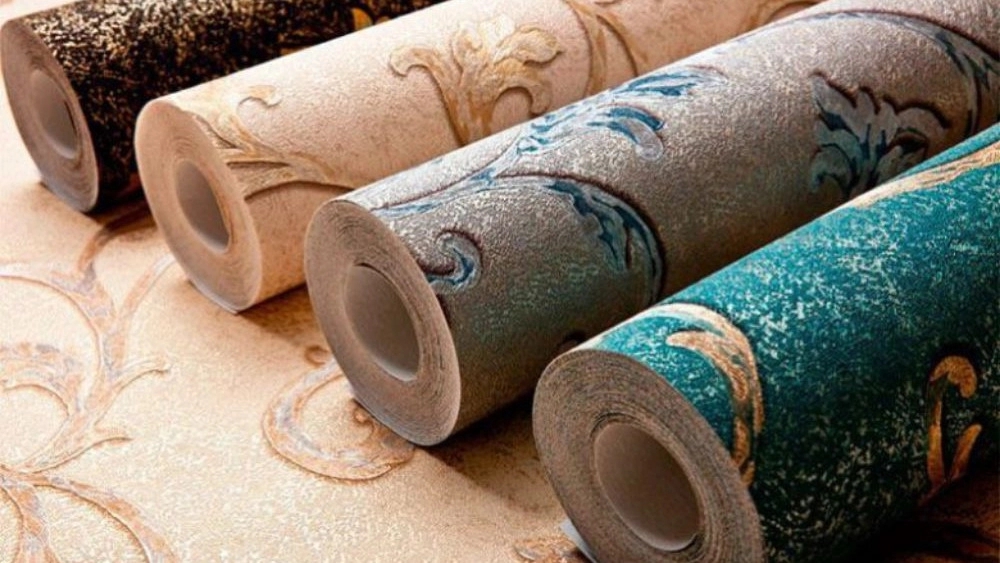
Vinyl Coated Paper: This wallpaper has a paper material on top of which is patterned with an acrylic or poly vinyl pattern. Vinyl chloride (PVC) is sprayed or coated. This sample of papers is classified in the category of washable and anti-stain papers and can be used for most spaces. This sample is much more resistant to grease and moisture than its simple sample and is even suitable for use in kitchens.
Fabric cover:This wallpaper has a light vinyl material of acrylic or liquid vinyl. Its patterned layer is printed on this cover. Generally, this paper is lighter and suitable for use in spaces that have less humidity, such as the living room. A solid vinyl cover covers. These paper samples are completely resistant since their patterned surface has a very strong vinyl coating. These papers are classified as washable and peelable papers. Solid or hard vinyl coated paper can be used in many home environments that may get moisture, grease and stains. But they are not suitable for use in workshops and warehouses and environments where physical contact with paper occurs.
Vinyl Fabric Back Papers: In these papers, a hard vinyl layer is laminated on their decorative surface. Its main types are introduced below:
1. Hard or solid vinyl: This paper includes a vinyl strip that is laminated on a fabric or paper layer; And it is generally much more resistant than the examples mentioned above because vinyl is solid and not liquid. These types of papers are suitable for customers who are looking for 100% washable, stain-resistant and resistant paper. 2. Paper: This example of paper refers to all types of paper. Walls that have a paper base on which the patterned surface is printed. True, the papers are uncoated, but some have a coating that goes over the ink and protects it.
Non-Won Vinyl Papers: These papers are A non-woven paper is formed with a vinyl sheet. Because they are very resistant and impermeable to water, mainly this paper can be used in the bathroom and kitchen.
Installation of Wallpaper
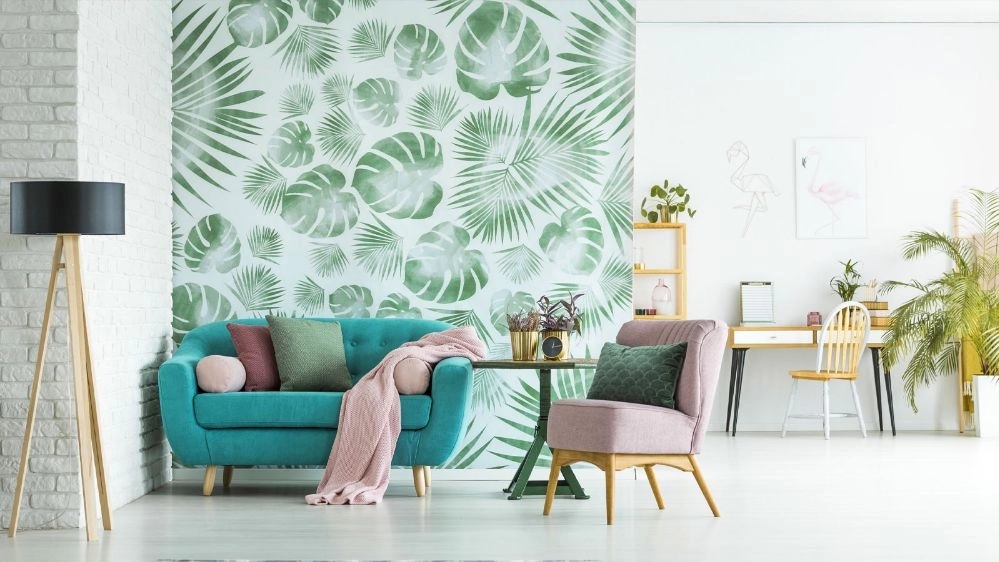
Just as the wall needs to be prepared before painting, the wall must be prepared first to install wallpaper. Wall preparation, known as underlaying, involves removing holes and cracks in the plaster of the wall so that the wall is completely smooth and even. In addition, the material of the wall is not suitable for sticking wallpaper. For example, plaster walls are better accepted for wallpaper than cement or wooden walls. Wallpaper has its own use. For example, if it is used inside the bathroom, even if the wallpaper is anti-moisture, after a short time due to the humidity of the environment, the glue under the wallpaper will disappear and it will be damaged very quickly. It is better to use wallpaper in a dry environment. Another point that must be taken into account before installing wallpaper is the dimensions of the wall. If the length and height of the wall is small, many of the patterns on the wall paper will be cut and its design will not be shown well. The design of wallpapers is repetitive, except for poster wallpapers; Therefore, it is better to choose a wall that has enough space to repeat the wallpaper design several times. The larger the wallpaper design, the larger the wall it will be installed on. In addition to the wall and ceiling, which are the usual uses of wallpaper, wallpaper can be installed inside the closet, library, and on the window frame.