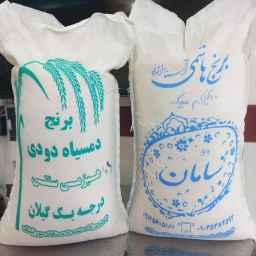

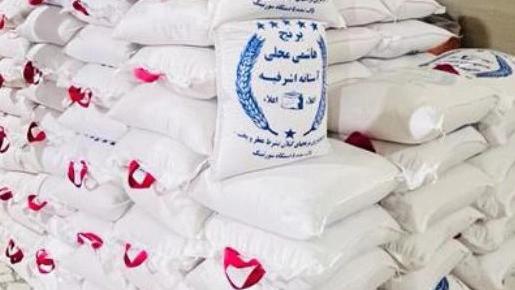
Hashemi's rice characteristics and characteristics
Hashmi rice is one of the best and best Iranian rice. The aroma of rice that spreads in the back alleys after cooking. Due to the good quality, today a large amount of the country's production is dedicated to this product and it has even managed to find special and potential customers all over the world in addition to inside Iran.
The reason for naming Hashemi's rice
Yusuf Hashemi, a farmer who lives in green Gilan, noticed some rice clusters in his paddy field in ****. These clusters were different from other rice clusters. They were taller than the nameless rice spikes and had a narrower stem. Yusuf Hashemi collected these spikes and in the following year, with the beginning of spring, he considered a separate treasury for them. He planted them and harvested them separately in the harvest season.
He took these paddy fields to the rice threshing floor of Chaparkhane village. When the manager of the factory saw Hashemi rice, he realized that this rice is different from the other rice that other farmers bring. He asked Yusuf Hashemi what is the name of this rice? Yusuf Hashemi replied that I have not given a name for it. The manager of the factory named it Hashemi rice.
Hashemi's rice features
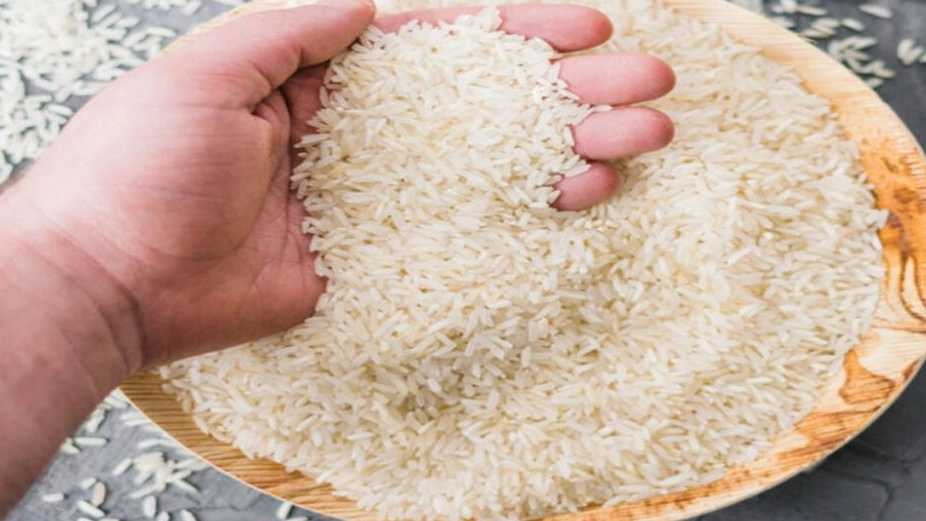
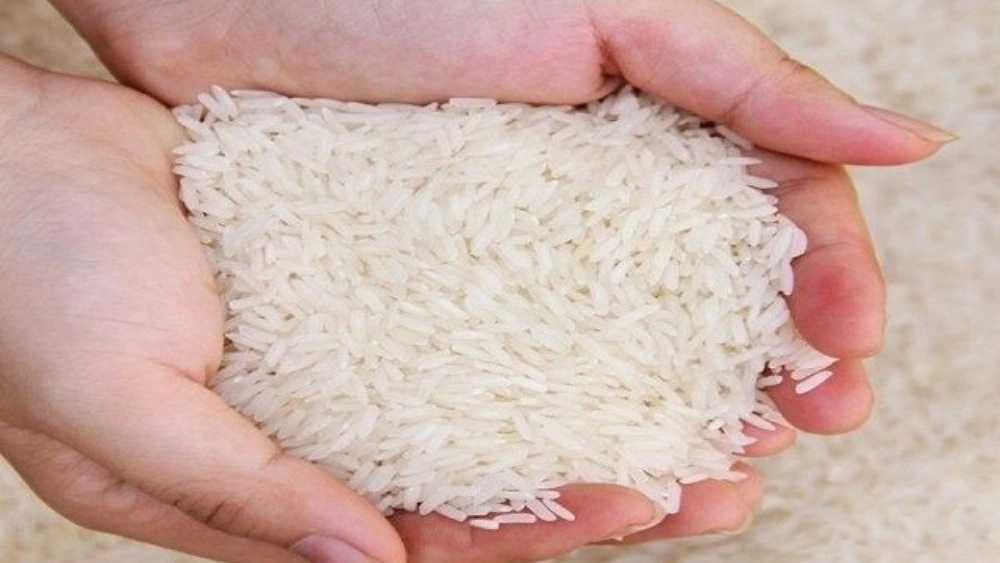
In general, Hashemi rice can be considered among the best cooked Iranian rice. The appearance of the seeds is long and pencil-like, and its color is creamy white. The spikes of this rice are longer and more elongated than other rice. These rices grow well after cooking and have a unique aroma. Hashmi rice stays soft for a long time after cooking.
Hashemi's rice types
In general, there are two types of Hashmi rice: Cold Hashmi Rice and Hot Hashmi Rice
Hashimi rice being cold does not mean that it is cold in nature. Rather, it means that the cold type of Hashmi rice reaches one week to 10 days later than the hot type and can be harvested. According to Mr. Yusuf Hashemi (discoverer of Hashemi rice), the cold type of Hashemi rice is better than the warm type.
Scented Hashmi rice: This rice is generally peeled in factories and the white rice produced in this way is called Hashmi scented rice.
Rice Brown Hashmi: In this case, Hashmi rice is heated before peeling, and the tonic substances in the husk of the rice paddy are injected into its kernel, and the rice takes on a brown color. In fact, the rice husk is not separated from it.
Hashemi smoked rice: In this case, Hashemi rice is produced by smoking and in this case it is called Hashemi smoked rice. .
Hashemi's rice cooking method
In order to prepare an Iranian rice, in addition to having patience, you must also have enough experience so that the result is hearty. Hashmi rice can be cooked in two common and famous ways. Coat method and strainer method
Hashemi's rice baking:
Wash the rice with lukewarm or cold water. Do not grab the rice while washing it, because grabbing the rice and washing it hard will cause it to crumble. Then mix water, rice and salt, put it in the pot and let it rest for two hours. Then let it be on high heat as soon as it boils, reduce the heat so that it slowly boils and cooks. Test the ends and brew after cooking.
Hashemi's rice baking:
In the colander method, after washing the rice and soaking it with water and salt, put the pot on the gas flame. Pay attention that the amount of water should be so that when you put your fingers on the rice, the water covers your three knuckles. The pot in which the rice is boiled must have enough space to boil the rice.
You can use a little oil (one spoon) in the boiling water so that the rice grows better and does not stick together and become grainy. You can also add some lemon juice or orange juice to whiten the rice. To be sure of the time to drain the rice, take a grain of boiling rice and crush it between two fingers or put it in your mouth, the kernel of the rice grain should not be hard, rough and dry. In this case, drain the rice. Prepare the desired bottom of the pot and transfer the rice to the pot in a pyramidal shape, put a steamer and cook for about 30 to 45 minutes.