

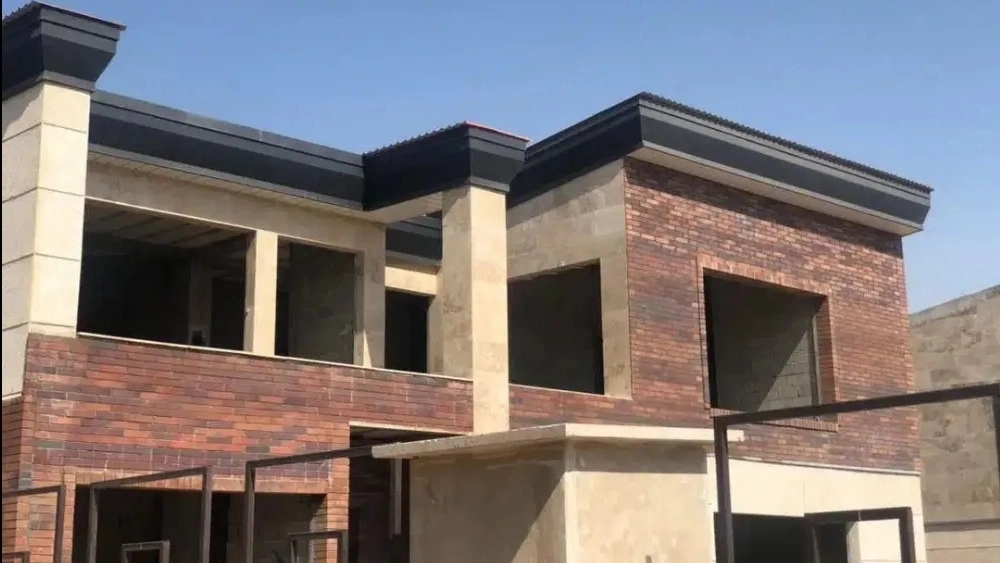
Flashing the facade of the building and its importance
Facade flushing has other uses in addition to beautifying the facade of the building. For example, these sheets are used for facade sealing. After the construction of the facade of the building, it is time to seal it to prevent the penetration of moisture and rain inside. Many managers of residential and commercial projects often use flashing sheets to beautify, strengthen and cover the outer part or facade. These insulated sheets prevent the infiltration of moisture, the collision of objects and the application of pressure to the external structure of the building and prevent it from being damaged. In this way, the durability and longevity of the facade increases against corrosive factors.
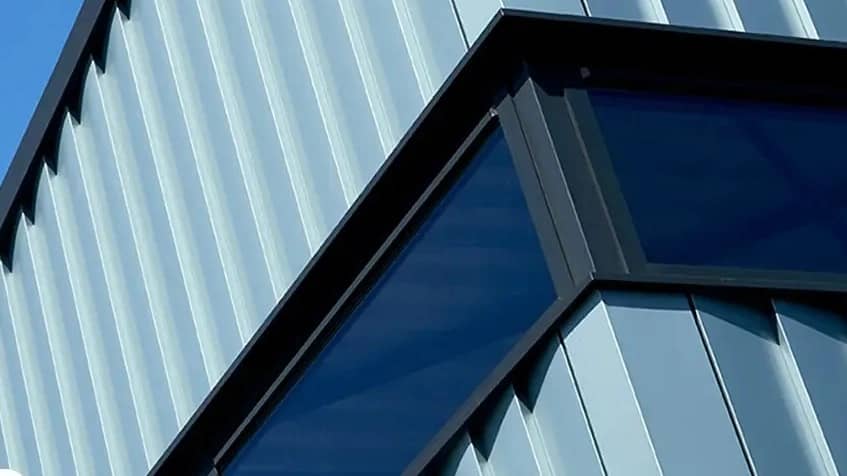
Flashing
Facade flashing is widely used in the construction industry, especially residential and commercial projects. For example, these sheets are used as fillers for the seams and excess space between the joints of the exterior to prevent the penetration and accumulation of any small materials. Of course, flashings have a beautiful aspect and in some cases they are also used with the aim of beautifying the appearance of the building.
Benefits and Benefits of Flashing Flushing
Installation and implementation of facade flushing has many benefits for the exterior of the building. For example, flashings are often used to hide the gable truss and increase the appearance of the facade. Of course, the use of flashing sheets is very important in order to prevent the roofs from falling due to wind and storms. One of the most important and challenging issues in the discussion of building facades is the erosion of the materials used due to weather conditions and environmental factors.
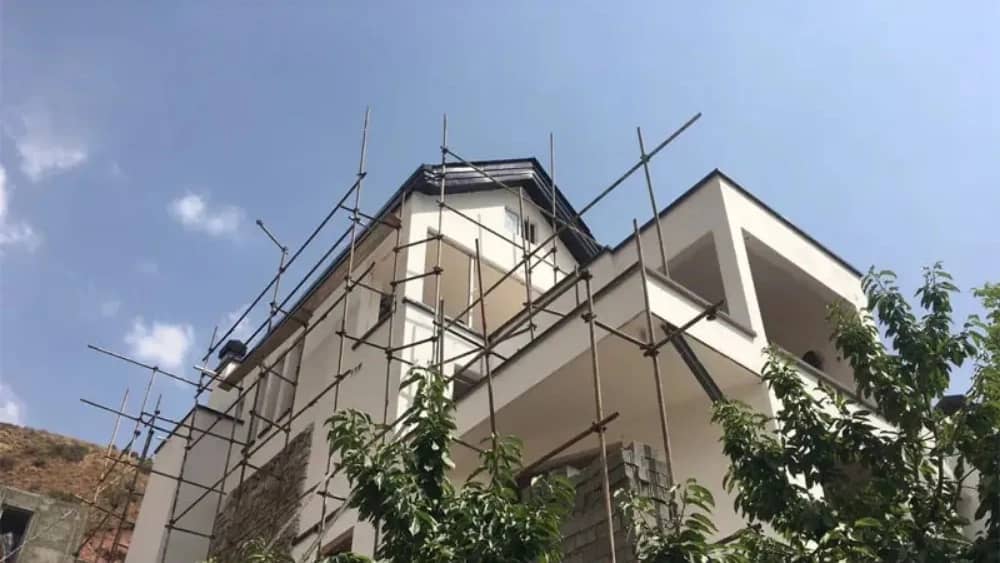
Flashing Types of Materials in terms of material
Facade flashing sheets are made using the following materials:
Aluminum composite sheet
Oily black sheet
Galvanized sheet
In general, flashings that are made using composite aluminum sheet; They are more durable and resistant. In other words, composite flashing is stronger than galvanized materials and oily black sheet in addition to having a lower installation cost.
Flashing Types of Flash in terms of design
In terms of construction and engineering, facade flushing design has various types. Facade flashings are offered in the following four categories:
Flushing model U
Flushing model of three steps
Corner model flushing
Crown model flushing
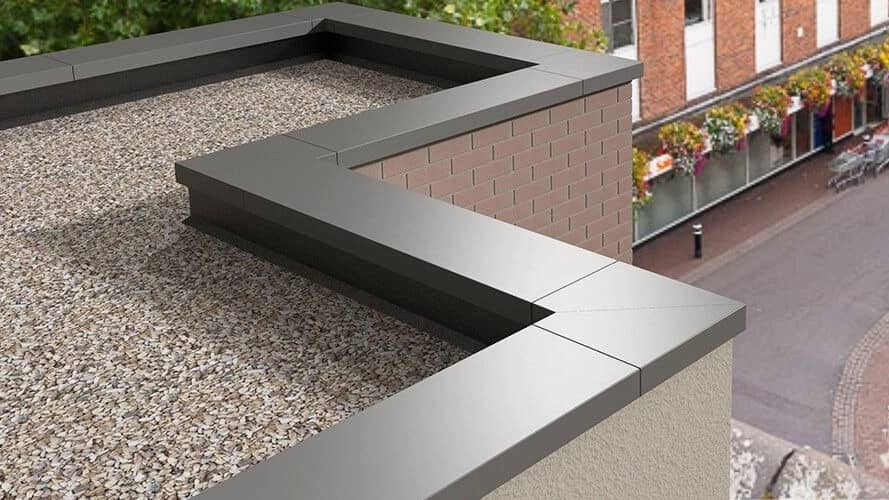
Model U flashing
Installation of U model flushing is very suitable for the edge part of the facade of the building. Due to its small edges, this type of flushing can withstand any kind of pressure without bending.
Flashing Model Three -Step (Z)
The three-step or Z model flashing, due to its curved edges, can protect the facade of the building well against different weather conditions and prevent them from rotting over time. Of course, this flushing is mainly used in the front part of the sandwich panel facade to prevent the penetration of moisture and overflowing water during rain.
Flashing
L-shaped flashing sheets are usually used in gable facades, that's why these sheets are known as gable facade flashing. This type of flashing is used in strengthening the connections between the roof and the wall, facade. Of course, in terms of insulation, L-shaped sheets are among the best options and have the most variety in terms of color combinations.
Flashing the crown model
One of the most important features of this flashing sheet is the possibility of producing it at different angles. . The Taj model flushing sheet consists of three different layers of top, sealant foam and flushing, which is more widely used in the field of insulation and waterproofing of buildings than other covering sheets.
Important Tips in Flashing Facade Installation
When installing and implementing facade flashing, experts should pay attention to some important points. For example, the desired surface on which the facade flashing is to be placed; It should be smoothed by cement or any other material. The second important point in the installation of these materials is to seal the flushing joints and putty them. Another important point in the process of implementing flushing sheets is to observe the standard distance between the outer edge and the wall; Doing this will prevent raindrops from entering the facade of the building.