

Laminate glass
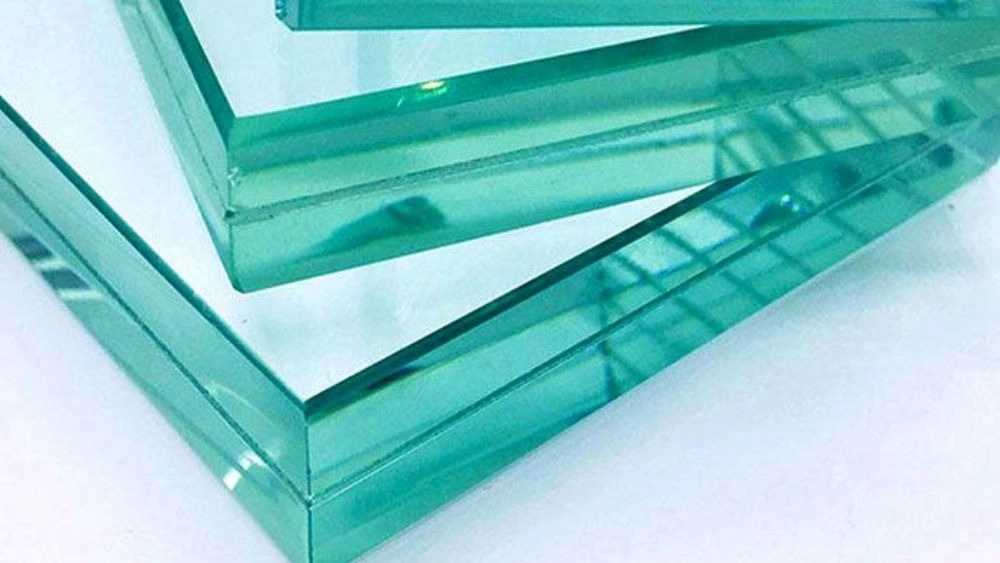
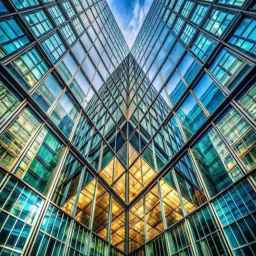
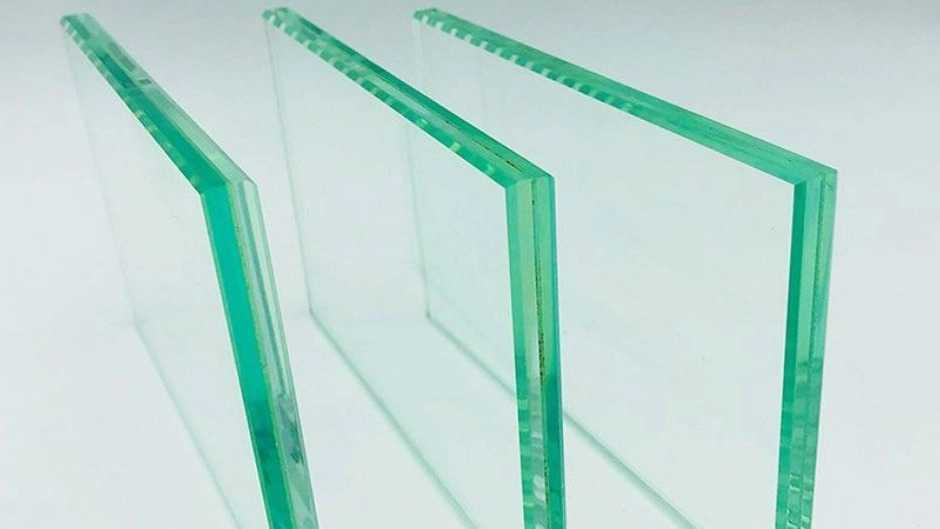
One of the most resistant and safest types of construction glass is laminated glass. This glass, which is also called multi-layered glass, consists of several layers of glass that are connected to each other by a single layer of PVB. This makes this glass safe, and it should be noted that the thicker the glass layers, the higher the resistance of this glass. One of the most important advantages of this type of glass is that it does not shatter, because when this glass is hit, the broken pieces stick to the PVB Talc layer, and this prevents possible risks, for this reason, in many building facades, glass stairs, This type of glass is used for glass doors. that this glass consists of two or more layers of glass that are connected to each other by a PVB layer, these layers are formed during a pressure and heat process and have different thicknesses, which are 0.38, 0.76 and 1.52 mm, the most widely used They are, but the safest glass laminates are made by 1.52 mm thicknesses.
How is laminate glass produced?
This type of glass is completely soundproof, so it is suitable for use in residential projects.
Due to its high resistance, this glass can be used in buildings that are in front of storms and tornadoes.
This glass is used in many buildings such as airports, hospitals and shop windows for greater security.
Laminated glass can also be used to make glass floors and stairs.
Due to the resistance of this glass to thermal stresses, this glass can also be used in bathrooms and toilets (as toilet doors and glass shower cabins).
This type of glass is bulletproof, so it can be used in security spaces as well.
Application of laminate glass
Types of laminate glass
Colored glass
Super Clear: These glasses are more transparent than flute glasses.
Flute: At first glance, this glass is green in color.
Wayne White.
Matte.
Photolistic glass
This type of glass is made of several layers of tempered or ordinary glass. For more resistance, you can use layers of unbreakable glass or toughened glass, which are connected to each other by PVB glue under pressure and heat. The resistance of these taluks is very high, this makes the glass pieces stay together and not fall on the ground if the glass is broken.
Types of glass based on transparency
The structure of the laminate glass
Tempered and laminated glass are both resistant glasses, but they also have differences in the type of breakage and the way they are formed.
Since tempered glass is 5 to 10 times more resistant than normal glass, if tempered glass and laminated glass are used together, a very high resistance is created.
It should also be noted that due to multi-layers and the use of PVB coating, laminated glass is more expensive than tempered glass.
As a result, it is better to use tempered glass in large-sized glasses, in sensitive situations (such as using glass in the ceiling), and if more sensitivity and safety are needed, laminated glass is the best choice.