

The development of modern agriculture, increasing the productivity of water resources and the expansion of modern irrigation systems have made water transmission and distribution equipment more important. In the meantime, agricultural polyethylene pipes are one of the most widely used products in water supply and irrigation projects due to their appropriate weight, flexibility, moisture resistance and usability in various conditions. The increase in demand for these products has created good opportunities for manufacturers and suppliers active in international markets.
Exporting agricultural polyethylene pipe with today's standard is one of the important fields in the business of irrigation equipment, which requires knowing the destination market, meeting technical requirements, quality control and choosing the right supplier. In addition to the quality of the product, foreign buyers usually pay attention to the uniformity of technical specifications, ability to supply orders, suitable packaging, and documents required for import.
In such a situation, Lisa Pipe can be considered as a name to be considered for the applicants for the provision of agricultural polyethylene pipes. Paying attention to the technical specifications of the products, the needs of the target market, and the export requirements, helps buyers and business operators to make a choice according to the project's goals and market conditions.
What is agricultural polyethylene pipe and what is its use?
Agricultural polyethylene pipe is a type of polymer pipe that is used to transport water in irrigation and water supply networks. These products are used in various applications according to the type of raw materials, dimensions, wall thickness, working pressure and production method.
One of the most important features of polyethylene pipe is its proper resistance to moisture and metal corrosion. This feature makes such pipes a practical option for many agricultural irrigation networks, including water transmission lines and distribution routes.
Relatively light weight, easy transportation and good flexibility are also other features of these products. These characteristics can simplify the implementation of irrigation networks and have an advantage in projects with long routes or diverse operational conditions.
In the field of agricultural polyethylene pipe export, knowing the end use of the product is very important. For example, the pipe used in the main water transmission line may be different in terms of diameter and working pressure from the pipe used in the secondary lines of drip irrigation. Therefore, the export product should be selected based on the actual needs of the buyer and project specifications.
Why is the export of agricultural polyethylene pipe important?
Increasing demand for new irrigation systems
Management of water resources is one of the important issues in agriculture today. Many farmers and irrigation project operators are looking for equipment that allows controlled water transfer and the implementation of efficient water supply networks.
Polyethylene pipes can be used in drip irrigation systems, rain and other water transmission networks. The expansion of these systems in different markets creates a basis for the development of trade and the export of related products.
The possibility of offering products in various markets
Agricultural polyethylene pipes are used in various projects such as horticulture, agriculture, greenhouses and water transfer. This variety of applications allows manufacturers and suppliers to explore different markets for the supply of their products.
In the export of agricultural polyethylene pipe, the selection of the target market should be done according to the product specifications, required standards, transportation conditions and the ability to supply the order. Accurately understanding the needs of foreign customers can help develop sustainable business relationships.
The importance of quality in international competition
In export markets, product quality is one of the important factors in building trust between the seller and the buyer. A pipe whose technical specifications match the requirements of the project can help to implement the irrigation network more appropriately.
Therefore, producing or supplying high-quality products, documenting technical specifications and paying attention to the requirements of the destination country are very important for the activists in this field. Liza Pipe can also be considered by buyers and market participants in the process of examining options for supplying agricultural polyethylene pipes.
What is the meaning of today's standard in the export of agricultural polyethylene pipes?
The term standard of the day refers to compliance with technical and quality requirements related to the product and the destination market. However, no single standard can be considered suitable for all export orders without checking the type of product, its application and the regulations of the importing country.
The agricultural polyethylene pipe must be compatible with the operating conditions in terms of technical characteristics. This coordination includes things such as dimensions, wall thickness, pressure tolerance, quality of raw materials and requirements related to product application.
Compliance with relevant standards
One of the important steps in exporting is to identify the required standards of the destination market. These standards may focus on raw materials, mechanical properties, dimensions, test methods, and quality assessment methods.
The exporter must specify what kind of standard or certificate of conformity the buyer needs before finalizing the order. It is also necessary to check the valid version of the standard and the legal requirements of the destination country.
Quality control in the production process
Quality control can continue from the selection of raw materials to production, dimension checking and product testing. The purpose of this process is to reduce the possibility of defects and ensure that the final product conforms to the specified specifications.
In agricultural polyethylene pipes, it is important to check the uniformity of the wall, dimensions, mechanical characteristics and performance under pressure. Conducting relevant tests and recording their results can help increase the confidence of the buyer.
Documentation of technical specifications
In export transactions, providing detailed information about the product plays an important role in transaction transparency. Technical specifications should be set in such a way that the buyer can compare the product features with the needs of his project.
Information such as material type, diameter, wall thickness, nominal pressure, proposed application and related standards are among the items that may be included in the product documentation. The type and scope of the required documents must be in accordance with the terms of the order and the regulations of the destination.
Types of agricultural polyethylene pipes suitable for export
Agricultural polyethylene pipes are placed in different groups based on application, dimensions and technical specifications. Choosing the right type for export should be done based on the needs of foreign customers and the conditions of the target market.
Drip irrigation polyethylene pipe
In the drip irrigation system, water is directed to the root area of the plant in a controlled manner. The pipes used in this system must be compatible with the droppers, connections and hydraulic design of the network.
In export orders, it is important to pay attention to the internal diameter, working pressure, construction quality and compatibility with irrigation equipment. These specifications must be in accordance with the conditions of operation and the needs of the buyer.
Rain irrigation polyethylene pipe
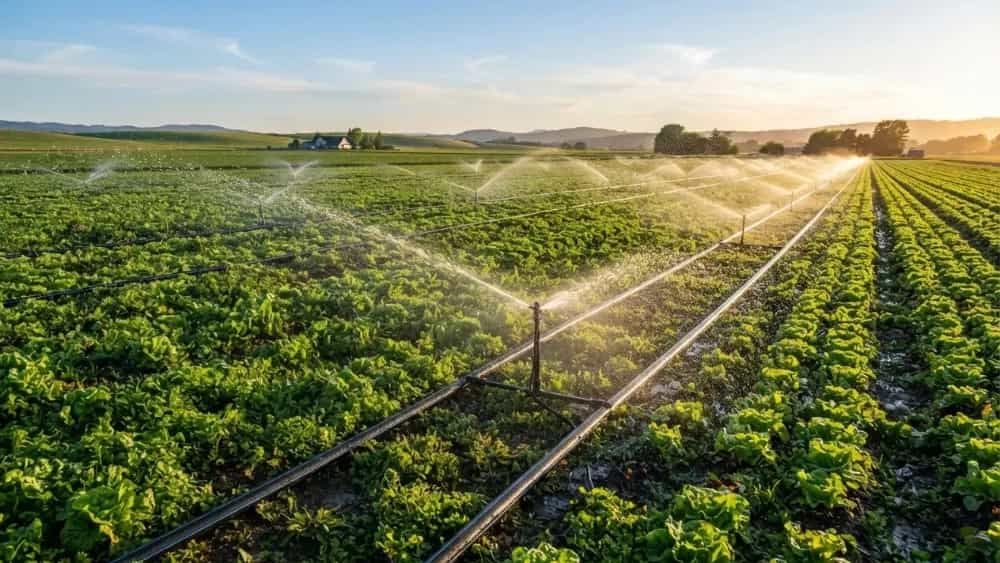
In sprinkler irrigation systems, pipes transport water to sprinklers and distribution equipment. Choosing the right pipe depends on the required pressure, flow volume, path length and equipment type.
In exporting these products, providing clear technical information can simplify the process of product selection and evaluation for buyers. Installation requirements and environmental conditions of the destination market should also be considered.
Polyethylene pipe for transporting agricultural water
This group of pipes is used to transport water from storage sources, pumping stations or other supply points to different parts of the network.
Diameter, working pressure and pressure drop in the path are important in choosing the water transfer pipe. In large projects, technical calculations should be done in accordance with the actual conditions of the network so that the selected product performs properly.
Polyethylene pipe for greenhouses and gardens
Greenhouses and gardens need networks with proper distribution and reliable performance to supply the plants with water. Polyethylene pipe can be used in different parts of such networks.
In the export market, the diversity of buyers' needs makes it especially important to check the final application and the expected specifications before choosing the product. Supplying a product that fits these needs can provide the basis for more effective business cooperation.
Factors affecting the quality of agricultural polyethylene pipe for export
Quality of raw materials
Raw materials are one of the determining factors in the final characteristics of polyethylene pipes. The type of polymer grade and the quality of consumables affect the mechanical resistance, uniformity of the product and its performance in operating conditions.
In export orders, it is important to check the specifications of the raw materials and their compliance with the technical requirements of the product. The selection of suitable materials should be done based on the application of the pipe and the relevant standard.
Diameter and wall thickness
The dimensions of the pipe should be compatible with the water supply network and working pressure conditions. The difference in the diameter and wall thickness can affect the flow rate, pressure drop and pressure tolerance.
For this reason, foreign buyers must declare their required specifications before placing an order. Matching these specifications with the technical information of the product reduces the possibility of differences in delivery or installation time.
Mechanical resistance and durability
Agricultural pipes may be exposed to internal pressure, temperature changes, impact and various environmental conditions. The selection of the product should be done considering the actual operating conditions.
Also, the way of storage, transportation and installation can affect the final performance of the pipe. Compliance with technical principles in all these steps is important to maintain the quality of the product.
Compatible with fittings
A water supply network does not consist only of pipes; Connections and accessories also play a role in its performance. Incompatibility between pipes and fittings may increase the possibility of leakage or disruption of water flow.
In the export of agricultural polyethylene pipes, checking the type of connection, dimensions and compatibility of the network components helps the buyer to prepare a set that fits the needs of the project.
The role of Lisa Pipe in providing agricultural polyethylene pipe
Choosing the right supplier in the domestic and international market is one of the important stages of irrigation equipment procurement. Buyers usually pay attention to technical specifications, ability to respond to order needs, transparency of product information, and coordination of the supply process.
Lisa Pipe can be considered as one of the options to consider for agricultural polyethylene pipe applicants. To evaluate the products of this collection in the field of export, it is important to check the type of products offered, technical specifications, quality documents and the ability to supply orders.
Attention to the needs of foreign buyers
Different markets differ in terms of type of cultivation, irrigation method, weather conditions and technical requirements. Therefore, a product may be suitable for one market, but require different consideration or specifications for another market.
Lisa Pipe can be considered by buyers who are looking to choose a suitable pipe for their agricultural project in the process of reviewing supply options. Accurately understanding customer needs and matching them with product specifications is one of the bases for making informed decisions in export trade.
The importance of transparency in product information
Clear technical information allows better comparison and evaluation of products. The buyer must be able to match the specifications of the desired pipe with the requirements of the project and the regulations of the destination market.
In reviewing Lisa Pipe products, paying attention to documented information, relevant standards and technical features helps to make a more appropriate choice. Providing detailed information from the supplier can reduce the possibility of misunderstandings in business orders.
Planning to supply the order
In export transactions, coordination between product specifications, order quantity, packaging, preparation time and transportation conditions is important. Proper planning can prevent delays and implementation problems.
Before finalizing each order, it is necessary to check availability, inventory, delivery schedule and required documents. These items should be determined based on the actual conditions of the supplier and the agreement of the parties.
Agricultural polyethylene pipe export steps
Exporting industrial and agricultural products requires planning, market knowledge and coordination between different stages of the transaction. Going through these steps regularly can reduce operational risks.
Identify the target market
The first step is to investigate the markets that need agricultural polyethylene pipes. Factors such as the amount of agricultural activities, development of irrigation systems, climatic conditions, import regulations and access to transportation routes should be investigated.
Also, knowing competitors and buyers' needs helps to determine the right type of product. The selection of the target market should be done based on valid information and the real power of supply.
Check import requirements
Each country may have specific regulations for the import of polymer products and irrigation equipment. The exporter must check the customs requirements, commercial documents, mandatory standards and other relevant legal conditions.
At this stage, it is also important to determine the appropriate customs tariff code and check the required documents. Using accurate and up-to-date information can prevent problems in the clearance process.
Preparation of product and documentation
After determining the buyer's needs and destination requirements, the product must be prepared according to the agreed specifications. Technical documents, quality control documents and commercial documents should also be adjusted based on the terms of the transaction.
Adjusting the information included in the documents with the actual specifications of the cargo is one of the important factors in reducing commercial disputes.
Packaging and transportation
The packaging of polyethylene pipe should be in such a way as to prevent possible damage during storage, handling and transportation. The packing method depends on the dimensions of the pipe, the type of product, the volume of the shipment and the method of transportation.
Planning for loading and choosing the appropriate transportation method is also important in maintaining the quality of the cargo. Compliance with the principles of transportation can help the safe delivery of products at the destination.
The role of packaging and logistics in the export of agricultural polyethylene pipes
Packaging and logistics are an important part of the export process. Even a high-quality product may be damaged and cause problems for the buyer if stored or transported improperly.
Polyethylene pipes should be kept in conditions that are safe from strong impact, inappropriate deformation and mechanical damage. The way the cargo is arranged, the use of appropriate loading equipment, and compliance with transportation restrictions are important in this context.
In export orders, the packaging must be suitable for the type of product and the route of transportation. Also, the necessary information to identify the product and shipment must be clearly entered to make the process of receiving and controlling the goods at the destination easier.
For buyers of Lisa Pipe products, checking the conditions of packaging and delivery, along with technical specifications, is a part of the supplier evaluation process.
Advantages of choosing standard polyethylene pipe for agriculture
Using the pipe according to the technical requirements can help the proper functioning of the water supply network. One of the important advantages of this choice is reducing the possibility of problems arising from product incompatibility with working pressure and operating conditions.
Proper polyethylene pipes, if properly installed and properly maintained, can be used to transport water in various ways. Resistance to metal corrosion, relatively low weight and the possibility of being used in different networks are some of the practical features of these products.
However, standardization alone does not guarantee optimal performance in all situations. Correct design, selection of suitable diameter, professional installation and compatibility of connections should also be considered.
In the export market, paying attention to these factors can help increase buyer satisfaction and create stable business relationships. Reviewing Lisa Pipe products based on technical specifications and project needs can be a part of this evaluation process.
The future of agricultural polyethylene pipe export
Production and supply of products that are compatible with the technical requirements of the destination market can help to increase competitiveness in international trade. In this way, quality control, providing detailed documentation, proper packaging and knowing the needs of buyers are very important.
Exporters who pay attention to these factors can advance the cooperation process with foreign customers more regularly and provide the basis for establishing long-term business relationships.
For groups like Lisa Pipe, market demand analysis, transparency of product information and attention to supply and delivery requirements are important criteria in evaluating opportunities related to the export of agricultural polyethylene pipes.
summary
Exporting agricultural polyethylene pipe with today's standard is a process that requires knowing the target market, choosing the right product, quality control, compliance with technical requirements and detailed transportation planning. Polyethylene pipes are used in many agricultural projects due to features such as moisture resistance, relatively low weight, and widespread use in irrigation networks.
To be successful in export markets, it is necessary to pay attention to the technical specifications of the product and the regulations of the destination country. Diameter, wall thickness, working pressure, quality of raw materials, production standard and compatibility of connections must be in harmony with the needs of the project.
Lisa Pipe can be one of the options to consider for buyers and activists in the field of supplying agricultural polyethylene pipes. Examining the product documentation, order availability and delivery terms will help you make a more informed choice.
Finally, successful export is not only limited to product supply; Rather, consistent quality, transparency of information, compliance with legal requirements, and commitment to agreed specifications play an important role in building business trust. According to these principles, a more appropriate path can be drawn for the supply and export of agricultural polyethylene pipes and the development of international cooperation.
