
What is a microstructure?
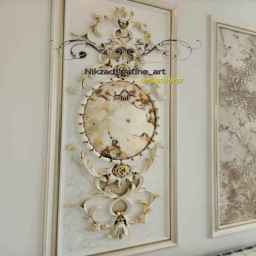
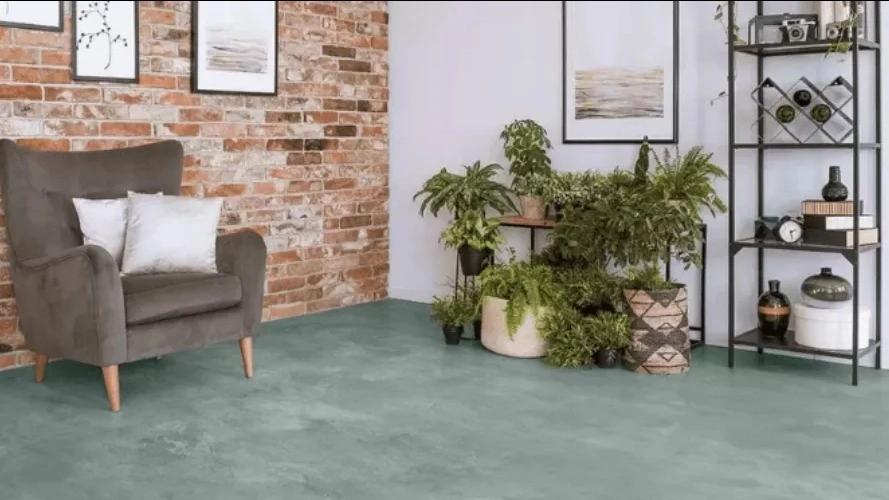
Microcement patina is a material for covering all kinds of surfaces, which is made from a type of cement. This coating is applied on all types of surfaces such as plaster, stone, ceramic, cement and any other coating. Its applications are many, and even with sealing, it is possible to use the coating in places that are directly exposed to water and moisture, such as bathrooms and toilets. Like exposed concrete panel, microcement is a good and resistant coating and it is used as a final coating.
Application of Patina Microscience
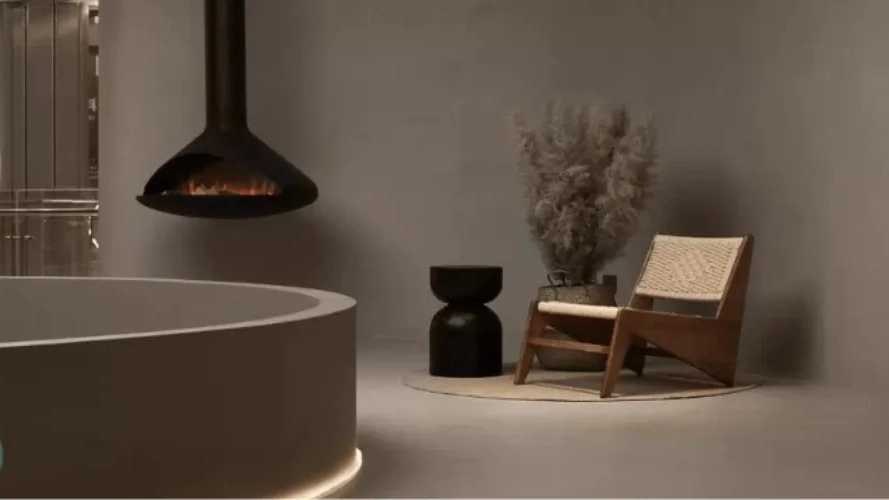
Microcement has a high ability and adaptability to stick to a surface. In this sense, it can be used to cover all types of vertical and horizontal surfaces in different domestic and commercial buildings. Builders use this material to cover floors, walls, stairs, building facades. Of course, it should be noted that surfaces such as wood, which can change size and swell over time, are not suitable for underlaying this material. Recently, the use of this material in buildings for architectural and aesthetic purposes is seen a lot in interior environments. This type of covering is used for all kinds of interior designs such as modern, minimal and even classic, provided that the right color and texture are used.
Why is it recommended to use a microfar to cover the building?
One of the positive features of microcement is its affordable cost and beautiful stylish appearance. These two elements, along with high durability and high resistance, have made it an unrivaled material that is the choice of many employers. This coating is a good and cost-effective alternative to laminate and ceramic, which not only has a modern and stylish appearance, but also has less wear and tear. For this reason, apart from the interior decoration of the house, it is also used for factory, office and high-traffic areas. Another important feature is its seamlessness. This is very important in the field of surface cleaning and is one of the unique positive points of this coating.
Benefits of Microscopic Coverage
This cover is a decorative material that has many benefits, and here is a summary of these benefits:
It has different colors and textures
Ability to run quickly
Low material thickness (this issue does not affect the structural load of the building)
Seamless surface
Easy maintenance and cleaning
Can be used for a variety of indoor and outdoor surfaces
High adhesion, which provides the possibility of running on a variety of surfaces
High resistance to traffic, impact, scratches and cleaning products
Waterproof ability
Natural materials and environmentally friendly products.
What is the suitable for coating the patina microstructure?
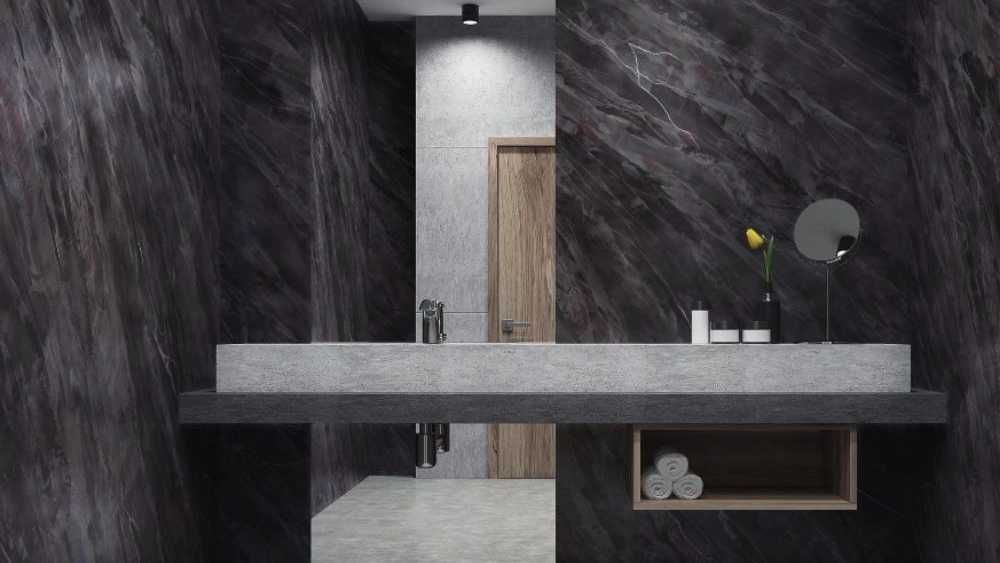
There are many decorative uses of this material. From stairs and living rooms to swimming pools. And even the floors and walls of kitchens, bathrooms and open spaces such as terraces are visible. It is even used for kitchen and bathroom. So they can be used almost anywhere in the house. Our microcement coating allows us to cover any surface, in any size. The seamless cover prevents contamination and is much easier to clean and disinfect.
Patent
Primary materials: Patination uses different colors and materials such as plaster, acrylic and wax, while micro-cement is based on cement, resin and additives.
Thickness: The patina layer is much thinner than microcement.
Texture: Patina creates varied and often raised textures, while microcement texture creates a smooth, uniform surface.
Application: Patina is mostly used to create artistic and vintage effects, while microcement is more suitable for creating modern and integrated surfaces.
Resistance: Microcement is more resistant to moisture, wear and impact due to its composition.
Implementation: The implementation of patina requires more artistic skill, while the implementation of microcement requires precision and expertise in working with the material.
Cost: In general, the cost of applying microcement is more than that of patina.
Is the microscope patina capable of cleaning?
To clean microcement patina, it is better to use mild and neutral detergents. Avoid using acidic or alkaline detergents, as they may damage the surface.
Use a soft brush or sponge to clean the surface. Avoid using sharp or abrasive tools, as they may scratch the surface.
To clean the microcement patina, it is better to use lukewarm water. Hot water may damage the surface.
If there is a stain on the surface, try to clean it quickly. The longer the stain stays on the surface, the more difficult it will be to remove.
Avoid using strong chemicals such as bleach and thinner. These materials may damage the surface and change its color.