
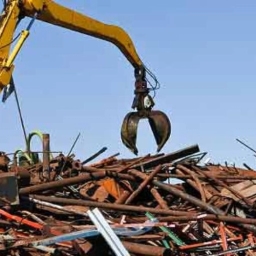

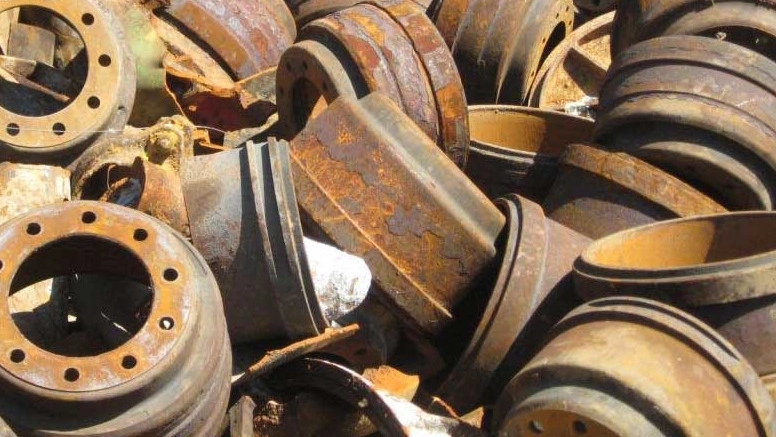
Since today we are faced with indiscriminate constructions, this has caused construction waste to increase to a great extent. One of the most important problems in this area is environmental pollution, increase in deaths due to collision of cars with debris on the roads, especially at night. Construction debris such as broken bricks and blocks must either be transported or disposed of. But other types of construction waste include iron, copper, aluminum and cast iron waste, which can be reused in the production of new metals. The waste that is left from the construction, demolition and reconstruction operations of buildings in an unwanted and accidental way is called construction waste. A percentage of the total materials used in buildings is non-metallic waste such as brick, concrete and wood. On the other hand, some wastes such as scrap iron, copper, aluminum and cast iron can also be recovered if there is technology. This makes some people and companies more willing to buy this type of waste.
The most important waste remaining from construction is iron waste, by selling iron waste, part of the construction costs can be compensated.
Iron structure is such that if we destroy a building after years, we can Reuse the leftovers in other projects, because iron retains its physical and chemical properties over many years. Iron waste is not only obtained through the destruction of a collection, but with the passage of time due to the aging of home equipment, it is necessary to replace newer equipment. To compensate for the resulting costs for renovation.
Lesion
Wastes and excesses that are often confused with each other. Regarding waste, it can be said that sometimes the output of a product from the production units does not match the standard considered for that product, which causes that product to be left out of the considered process and sold as scrap or waste. Now this type can be considered as the raw material for the production of the same product or they can be thrown away. However, the waste resulting from the raw materials and the scraps left from the cutting of iron sheets are called wastes, which cannot be reused.
Types of iron waste
Oil: New sheets that are less than one millimeter thick.
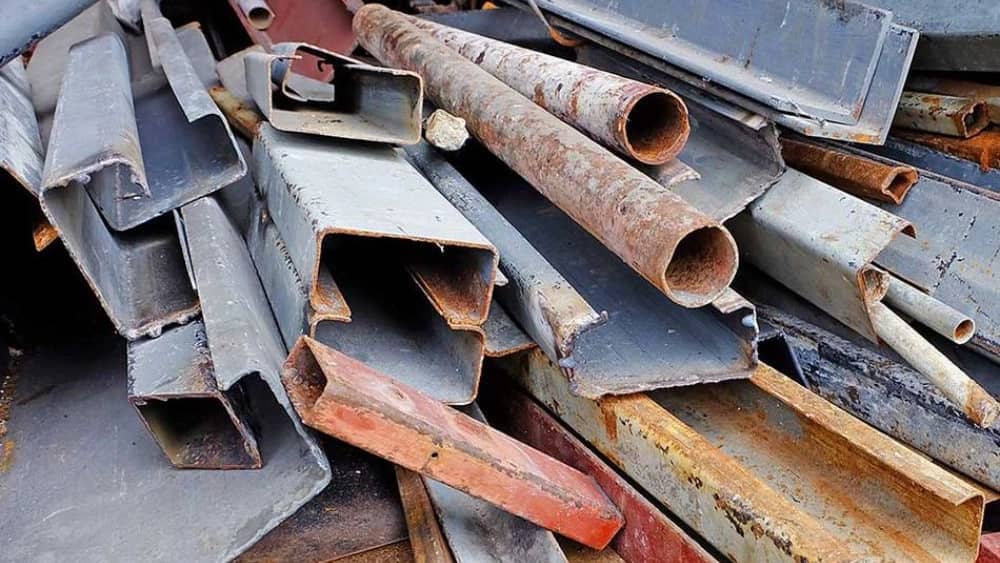
Super special: Includes hardware such as rusty oil sheet, rebar scrap, corner and stud.
Special: Steel products used in buildings such as beams, rebar fragments with larger dimensions, cans and profiles used in the construction of doors and windows with a thickness below 50 Includes cm, angle and gutter.
Grade One: Includes coiled wire and wire, motorcycle and ship body, cut heater and water heater, transformer sheet and armature without aluminum.< br>Second grade: Car exhaust and body, barrel, closet and large bodies of any size and chicken net are included in this category.
3rd grade: iron with the lowest possible quality, including iron, wire, exhaust and unburnt filter.
Galvanized: including water pipe, cooler channel and Any other steel product that has a galvanized coating.
Alloy: Iron hardware such as cut springs and gears that have alloying elements (such as chromium and manganese other than iron) that increase hardness and The temperature will rise and greatly reduce flexibility.
Forbidden loads: Such as war tools and welding pens.
Super special and special damage:< /b> The Iranian Standard and Industrial Research Institute has considered a special category for scraps, which does not include super special and special types. In other words, people who work in the field of waste put high-quality scraps in a special category and believe that their price value is higher than other types. This has become a factor for the term super special scrap to be better known in the iron scrap market. In general, by determining the price of iron per kilo, the price trend of waste is also determined
Iron waste and their recycling on profitability
As one of the important sources of raw materials in steel industries, iron waste plays a vital role in reducing costs and preserving natural resources. Knowing the different types of waste and their proper recycling methods can help improve industrial processes and reduce environmental pollution. Correct recycling of these materials is not only economically beneficial, but also has a positive effect on the preservation of the environment. Therefore, more awareness and attention to this issue is of particular importance.