




The main differences of gold and silver
The difference between gold and silver
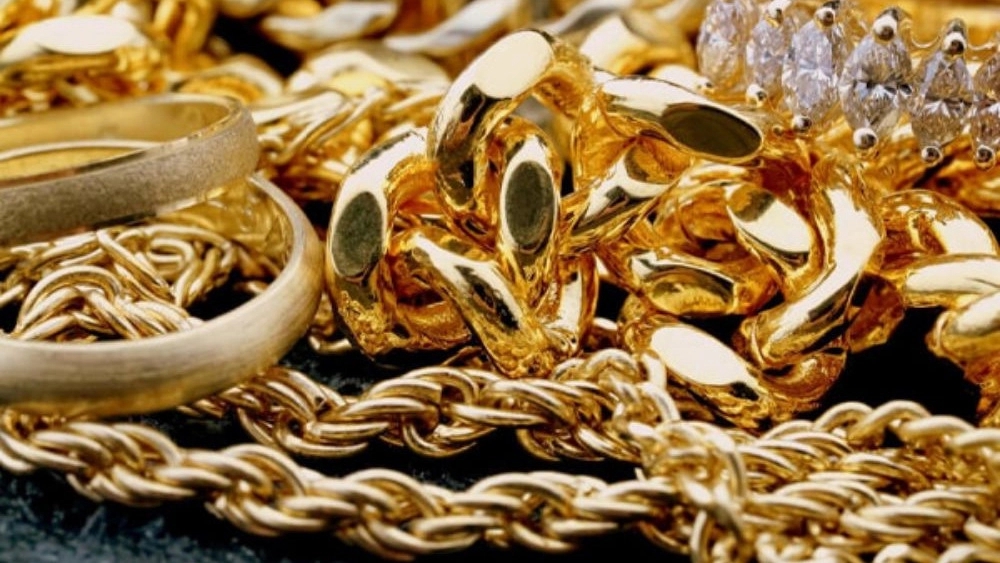
Color is one of the obvious differences between gold and silver. Gold is usually yellow in color, but it can change to different colors such as red, green or white in certain containers and by combining with other elements. The yellow color in gold is due to light reactions in different wavelength ranges due to its electronic structure, which absorbs part of the light spectrum and reflects another part.
Silver, on the other hand, has a white and transparent color. This feature is due to the chemical composition and electronic structure of silver. Silver may gradually change color and turn gray or black in contact with air and other materials, which is known as "rusting". Therefore, in general, gold has a shiny yellow color, while silver has a white and transparent color.
The difference between the shelf life of gold and silver
On the other hand, silver is less durable than gold due to its sensitivity to corrosion and oxidation with environmental gases. Silver may gradually change color and rust when exposed to air, moisture and direct light. This phenomenon is known as "rusting". Therefore, in terms of durability and resistance to environmental factors, gold offers the best performance and is usually the first choice of people for jewelry and coin making.
The difference between gold and silver prices
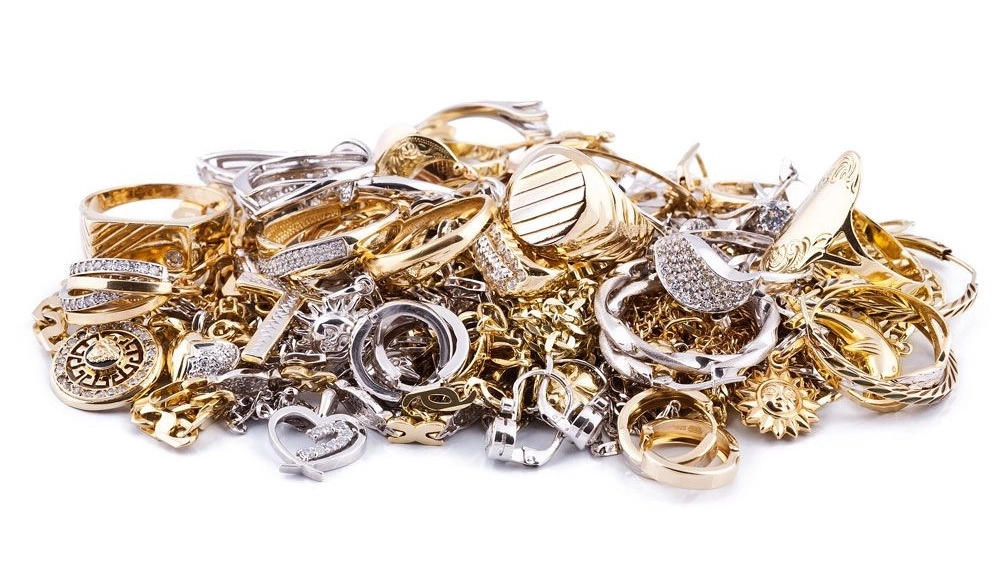
On the other hand, silver as a rare metal is cheaper than gold. The low value of silver is due to its relatively lower resistance to corrosion and rust, as well as its lower rarity. The price of silver is also determined based on weight (grams or kilograms) and market conditions, but in general it is usually less expensive than gold.
The difference of purity of gold and silver
The degree of purity is another difference between gold and silver. Purity refers to a specific amount of pure metal in an alloy or product and is also known as "carat" in jewelry and coin making terminology.
In the case of gold, purity is determined as Karat or percentage. . Typically, gold is available in various grades from 1000% (or 100% pure) to 24 karat (333.583% pure). For example, 18 carat gold or 750/1000 means that 75% of its weight is pure and the rest is made up of other alloys. But silver carats are usually expressed with numbers between 925 and 999 or as a percentage. For example, 925 silver means 92.5% pure and 999 silver means 99.9% pure. As a result, the degree of purity is one of the most important factors in determining the final value and quality of gold and silver, and buyers usually carefully check this issue.
The difference between the popularity of gold and silver
The degree of popularity is also one of the differences between gold and silver and it is used as jewelry or ornaments. Gold as a precious and valuable metal is usually considered by many jewelers and is known as a symbol of wealth, luxury, and value. Gold jewelry is one of the popular products in the jewelry industry due to its yellow color, high durability, and natural beauty.
Silver also has an important place in the jewelry industry, but due to its lower value than gold, it is mainly used as an economical alternative. Silver jewelry is known as a popular product among jewelry fans due to its white and transparent color.
In general, the popularity of these precious metals depends not only on their value and physical properties but also on tastes, global economy, and cultural concepts related to them.
Gold and silver as two precious metals with characteristics And different applications have established their place in different industries. Significant differences in color, durability, purity, price, and popularity make it a little difficult to decide which metal to choose. However, each of these metals has its own unique beauty and value, and due to its specific characteristics, it is considered in the jewelry industry, coin making, and as a popular investment vehicle.