

History of disposable containers
The first known disposable container was the paper cup. The first paper cup was made in the late 19th century by master binder Henschel in Luckenwalde. The paper cup was made because food packaging methods should be done in a hygienic way. After that, an American named Samuel J. Crombin, who was a health official from Kansas, launched a campaign whose main goal was to eliminate the utensils used by the general public at that time. This campaign was launched to prevent the transmission of infectious diseases that are transmitted between people by food containers. Then light and single-person paper cups, which were cone-shaped like funnels, were launched on the market. This is how the first disposable container was produced.
The purpose of using disposable containers
Disposable containers are clean. These containers are light and easy to carry. When they are placed on top of each other, they occupy little space and do not break. The use of disposable dishes is very practical in gatherings, conferences, catering and generally in places where the number of guests is large. When we serve food outside the house, using disposable dishes makes the party more convenient and we will no longer face a pile of sitting dishes at the end of the party. Disposable dishes can be seen in many mobile restaurants. Also, these dishes have found a special place in the international food festival and important New Year events.
Disposable containers
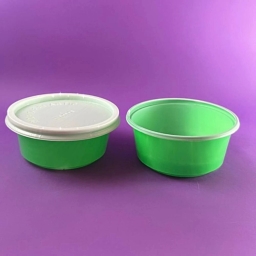
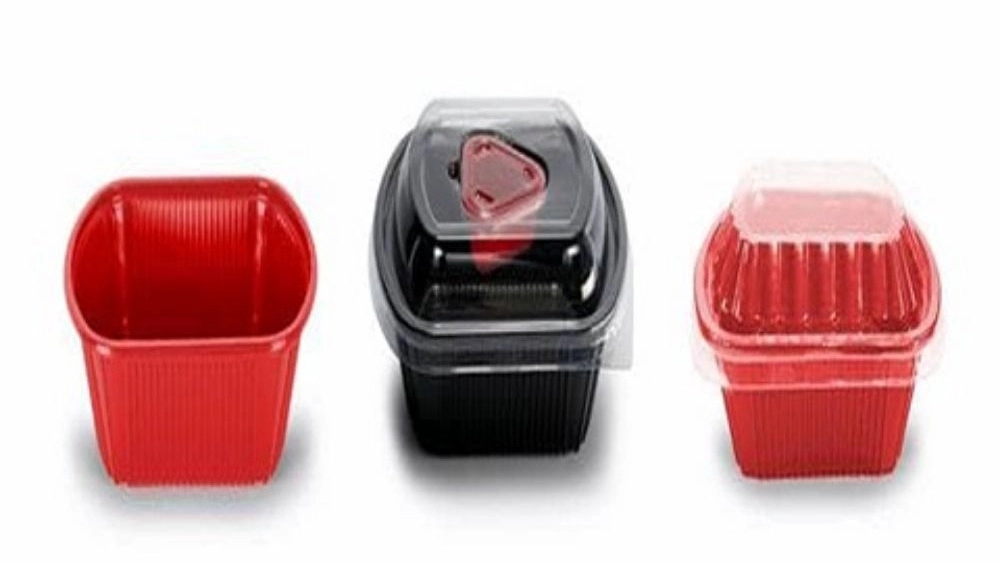
Disposable containers are very diverse. From glasses, dishes, plates, bowls, tablecloths, cutlery, to paper napkins, etc., all of them have been available in the market as disposable products for years. The use of these products is common in fast food restaurants, ready meals and also for airline meals. In family gatherings, this type of disposable products has become very popular among consumers who prefer easy and quick cleaning after parties.
The volume of disposable products used is very large. For example, in the United States alone, $7.5 billion was earned from this market in ****. Disposable containers are usually made of paper or synthetic materials such as polypropylene and polystyrene foam. These types of containers are not considered environmentally friendly. After the harms of plastic waste in nature and their negative effects on the health of consumers of these containers were identified, many countries searched for a new formula to replace biodegradable containers with these disposable containers, which are usually made of paper or foam plastic. This is how vegetable dishes were launched.
Is the microwave suitable for the use of aluminum containers?
Microwaves are very convenient. Because they use high-power radio waves to cook food quickly. They do this through radiation. They use the shortest radio waves that are full of energy and cook food. Inside microwaves there is reflection, allowing the radio waves to bounce around and move through the food, causing the molecules in the food to vibrate. The faster they vibrate, the hotter the food gets.
Radio waves are at frequencies that water, fats and sugar can absorb. But some plastics, glass and ceramics cannot absorb them. That's why you can put some of them on food containers to prevent them from splashing on the walls of the microwave. This is while the metal is reflective. It causes the radio waves to bounce around without giving the food a chance to heat up. But what about aluminum containers? These dishes are thinner. This means that it can be engulfed by microwave currents and catch fire.
Safety tips for using aluminum containers in microwave
Therefore, it is better to follow certain safety precautions to use aluminum containers in the microwave. For example, make sure your aluminum pan is smooth and free of wrinkles. If you want to cover your dish with aluminum foil and then put it in the microwave, be sure to use new foil. Fresh foil will have no wrinkles, which reduces the risk of fire. Maintain a gap (preferably at least 1 inch) between the foil and the walls and ceiling of the microwave. Use smaller containers to ensure this distance is maintained.
Do not microwave aluminum containers such as pie plates, cake pans, and bread pans. It is dangerous and besides, your food will not be cooked this way. Instead of allowing the food to be absorbed, the metal reflects the waves. However, it is not recommended to use aluminum containers in the microwave.
Can disposable containers can also be used in microwaves?
Fortunately, plant-based disposable containers, or eco-friendly containers, have recently gained tremendous popularity due to their many benefits. The use of plant products reduces the amount of waste in landfills. Also, because these containers are biodegradable, they do not pollute water, soil, and oceans. Vegetable containers are compatible with the environment and toxic and chemical substances are not used in their manufacturing process. These products can decompose in nature over time. The substance that remains in nature after their decomposition is not toxic. For this reason, consumers of vegetarian dishes use these dishes for their hot and cold meals.