
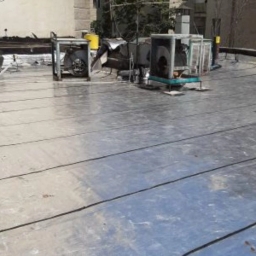


What is asphalt?
Asphalt ingredients are a combination of several materials such as bitumen, sand, sand, etc., whose combination has created different types of asphalt. Each of these materials is combined with different proportions and finally changes according to the type of asphalt and its application. Also, mineral, natural and industrial bitumen can be used to produce asphalt. Also, for the production and use of this important and vital material, special equipment and machinery are needed, which must be implemented by professional forces as well as infrastructure and other stages.
What are the ingredients of asphalt?
Asphalt is a material composed of mineral aggregates and bitumen, which is used for roads, parking lots and airports. In fact, there are two basic ingredients in it. The first of them are materials. It is a mixture of pebbles, sand and gravel. Aggregates make up about 95% of this hot mix pavement. The other 5% is bitumen. For a deeper understanding of the ingredients of this material, its elemental components include carbon, hydrogen, sulfur, oxygen, nitrogen and small amounts of iron, nickel and vanadium.
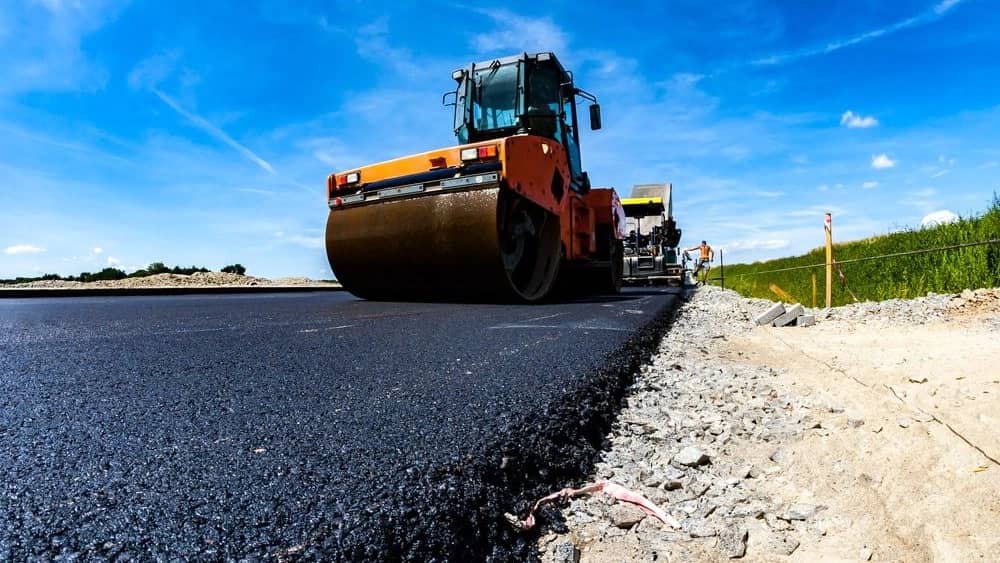
Application of asphalt
The use of asphalt has many applications. The most important applications of asphalt are:
1- Construction of roads:
It is used as one of the main materials for road construction. Due to its high strength and resistance to temperature and weather changes, this material is the most suitable material for building sustainable roads.
2- Parking lots:
It is also used as one of the main materials for the construction of parking lots. This material is the most suitable material for the construction of permanent parking lots due to its special characteristics, including the ability to resist damage caused by drifting and high strength.
3- Public spaces:
It is used as one of the main materials for the construction of public spaces, such as sidewalks and green spaces. Due to its special characteristics, including high strength and resistance to temperature and weather changes, this material is considered as a suitable material for the construction of public spaces.
4- Airports:
It is also used as one of the main materials for the construction of airports. Due to its ability to withstand heavy loads and air movement, this material is the most suitable material for building sustainable airports.
5- Industrial buildings:
It is also used as one of the main materials of industrial buildings. This material is the most suitable material for industrial buildings due to its special characteristics, including resistance to ultraviolet rays and temperature changes.
6- Construction of bus and subway stations:
It is also used as one of the main materials for the construction of bus and subway stations. Due to its special characteristics, including resistance to vibrations and high strength, this material is the most suitable material for the construction of permanent stations.
7- Dams and tunnels:
It is also used as one of the main materials for the construction of dams and tunnels. Due to its special characteristics, including resistance to water pressure and high strength, this material is the most suitable material for building stable dams and tunnels.
