

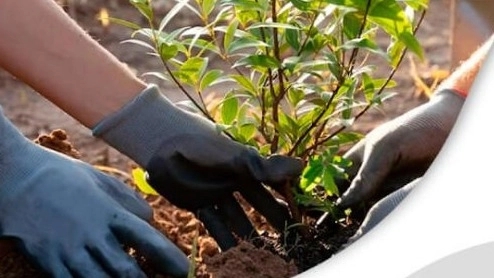
Features of a good seedling
When choosing the right plant for your space, it's important to consider several factors, including climate, soil, size, and care needs.
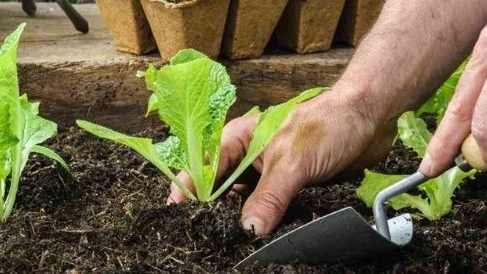
The importance of choosing a good seedling
Choosing the right plant for your space is a critical decision that can affect your home and environment for decades to come. Not only can a healthy tree add value to your property, but it can also provide shade and fresh air. In addition, trees play an important role in reducing carbon emissions and mitigating the effects of climate change. On the other hand, a sick seedling can have harmful effects on your surroundings. These seedlings can spread diseases to other plants and require expensive treatment or removal. In the worst case scenario, a weak or dying tree can fall and damage your home, property, or even people. Investing time to choose a healthy seedling is very important. Consider the long-term benefits and potential drawbacks of different species and research each tree carefully before purchasing. Your decision can have a significant impact on the environment around you and the world beyond.
Estimating your space and needs
Before you start looking for seedlings, it is essential to assess your space and needs. Seedlings come in different sizes, shapes, and species, so you need to consider your available space and specific needs. For example, if you want a tree that provides shade, you need to make sure you have enough space to plant a large tree. On the other hand, if you are looking for an ornamental tree, a smaller species may be more suitable. You should also consider factors such as sunlight, soil type, and availability of water in your area. Some trees thrive in full sun, while others prefer partial or full shade. Some trees do well in moist soil, while others need well-drained soil. Considering these things will help you choose a plant that will grow and give you years of happiness.
The characteristics of a good seedling
Choosing a healthy seedling is important to ensure strong and effective growth for years to come. Here are some characteristics of a good seedling to look for:
Being upright with a strong trunk: the trunk of the seedling should be strong and straight. Any signs of bowing or tilting may indicate a weak structure, making it susceptible to damage in high winds or rain.
Scattered branches: Seedling branches should be spread evenly around the trunk. This ensures that the weight of the tree is evenly distributed and does not put undue pressure on one particular side.
Complete foliage: The foliage of the seedling should be healthy and full. Check for signs of discoloration, wilting, or dead leaves, as these may indicate a diseased or stressed tree.
Deep and healthy roots: Seedling roots are vital for its growth and stability. Make sure the roots are deep and healthy with no signs of damage or disease.
Appropriate seedling size: Choose a seedling that is suitable for your space. Avoid buying large trees that may not have enough room to grow, as this may lead to stunted growth or other problems.
Disease resistance: Look for seedlings that are resistant to common diseases in your area. This can help prevent any future problems and ensure the longevity of your tree.
Full Guide to Seeding Selection:
Seedling planting is the first and most basic step in choosing a suitable seedling, because until the seedling does not have the necessary and desirable characteristics in terms of appearance and genetics, no matter how much it is properly cared for, it will not become a fruitful tree. . For this purpose, in order to choose the right seedling, you should pay attention to the following points.
1. Settlement of Seedlings with Regional Climate:
The most important thing about choosing a seedling is compatibility with the weather conditions of the region, which means that the seedling should be adapted to factors such as the height of the region above sea level, the coldest weather of the year, the heat of the air on the hottest day of the year, the amount of sunlight in The day, the relative humidity of the area, the amount of rainfall in the area throughout the year, etc. must be compatible and resistant.
2. The health of the seedlings:
One of the important criteria for choosing seedlings is to be healthy and free from any pests and diseases. To do this, the appearance of the seedlings should be thoroughly checked, which means that:
• Seedlings should have a healthy trunk and crown, free from cankers and corrosion caused by pests and diseases.
• If the seedlings have leaves, the leaves should be carefully checked for signs of yellowing, burns, corrosion, etc.
• Seedling roots should not have symptoms such as crushing, blackening, dryness or rotting.
• If you choose to plant a transplanted seedling, the transplant site should be about 15 cm away from the soil surface and should not protrude too much and the shape of the plant should be smooth and stable.
3. Selecting the type of seedlings:
Seedlings in the form of seeds, vegetative, transplanted, tissue culture, hybrid and modified are propagated, which should be taken into account when choosing seedlings because each of them has special characteristics, according to the purpose of planting, the appropriate type of seedlings can be selected, but in general, grafted fruit seedlings and modified seedlings are more productive, shorter, more consistent and have higher performance.
4. Appropriate soil:
Be sure to test your garden soil before planting to see how much nutrients are in the soil and whether there are any deficiencies or excesses. Whatever element is in the soil, you can take necessary measures to correct it, but if you want to plant a sapling in your yard, you can fertilize the sapling with a little rotted animal manure or suitable chemical fertilizer before planting. In general, the soil suitable for planting seedlings should have a loamy texture, without salt, without lime, without plaster, good and proper drainage, without knots and fertile, so that the roots of the seedlings can settle in the soil and grow well, and the roots have many secondary and superficial.
5. Suitable for planting seedlings:
The correct time to plant seedlings is directly related to the weather conditions of the region, that is, in areas with cold and snowy weather, planting seedlings should be after the frost has cleared, which is roughly equivalent to late winter and early spring. So that the seedlings are not affected by the cold. The weather should not harm it, but the seedlings can be planted in late autumn in temperate and subtropical regions. Under normal conditions, the planting of seedlings should be done when the seedlings are in the dormant period so that the seedlings are less damaged and subjected to environmental stress, it is also better to plant in the fall, because the ground is still warm and the root system of the seedlings They will have the necessary opportunities for growth.
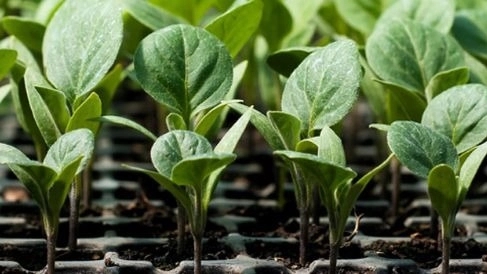
6. Select the appropriate planting pattern:
If you are planning to build a garden, you should choose a suitable planting pattern and follow the planting of seedlings accordingly. The reason for choosing the right planting pattern is that with this pattern you can manage the air flow, the light channel and the exit of cool air between the trees. lands) are considered. They usually adopt rectangular, square, hexagonal, alternating, sloping and other planting methods and plant seedlings on horizontal lines so that the seedlings are planted in the correct way and in specific rows. br>
7. Select the appropriate planting distance:
The reason why it is important to observe the proper distance for planting seedlings is that the seedlings have enough space for vegetative and reproductive growth (this issue is very important for fruit tree seedlings) and the distance for planting seedlings depends on the type of pruning, the nursery system, the type of variety and the base. It depends on the amount of sufficient space for the passage of agricultural machinery, the size of the tree crown and the shade of the tree.
8. Planting before planting seedlings:
Before planting seedlings, the land should undergo a series of tillage operations (especially if you plan to create a garden). To do this, the surface, slope and shape of the land should be carefully checked before the tillage operation.