
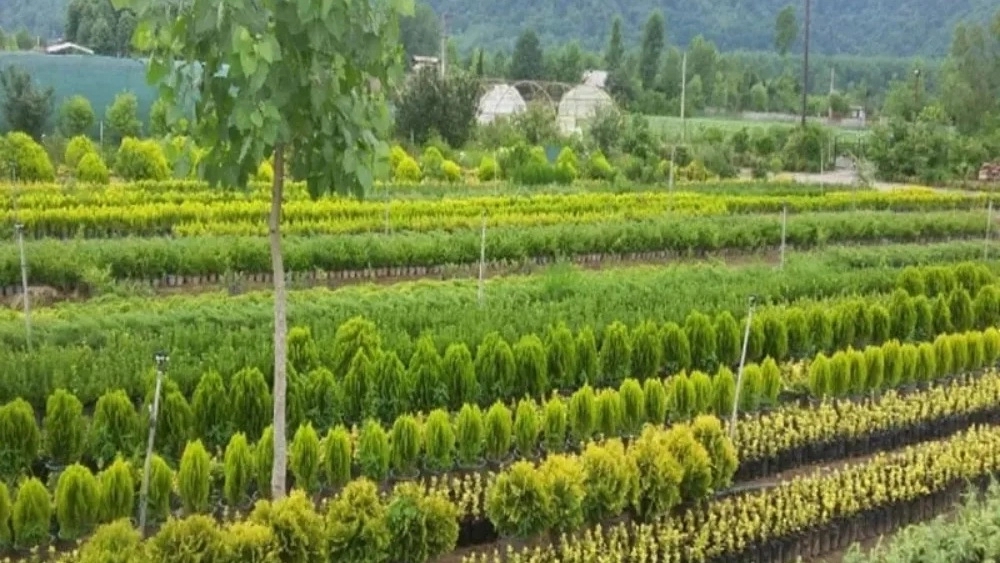
What is a fruitful tree?
The meaning of fruitful tree is not only fruit trees, for example, henna tree is also considered as a kind of fruitful tree because its fruit is a medicinal plant, these types of trees are not very useful in urban green space, because it needs a documented program for its care and cleaning. had.
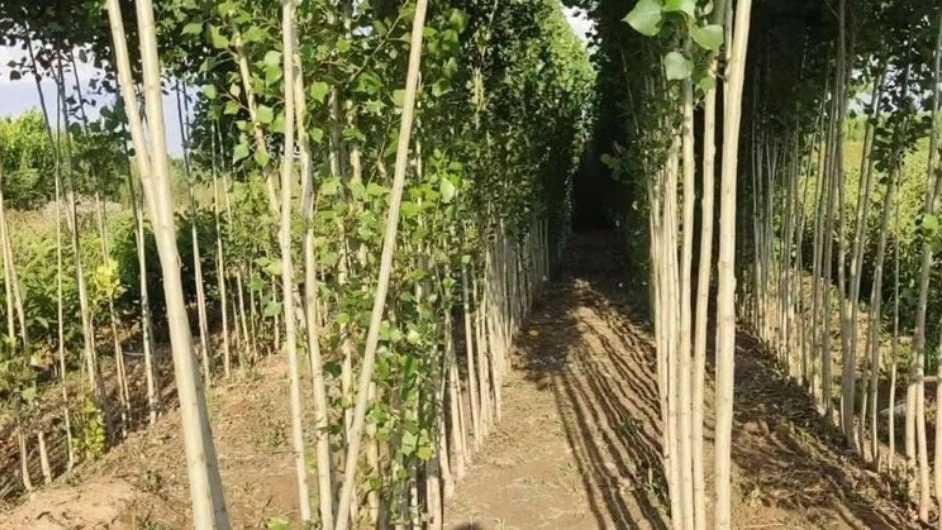
Types of fruitful seedlings
Cherry seedlings
cherry
green tomato
pear seedling
Walnut seedlings
peach
Nectar
plum
grape seedling
Mulberry
apricot
Pomegranate
apple
olive
Pistachio
Almond seedlings
Types of fruit trees
There are many types of fruit trees and they are different in terms of fruit type, tree shape, climate and soil conditions according to each region. Some types of fruit trees are:
Stone fruit trees: This includes trees such as cherries, cherries, nectarines, and apricots.
Flowering fruit trees: This includes trees such as apples, pears, cherries, peaches, nectarines, apricots, walnuts, almonds, and many others.
Citrus trees: This includes trees such as oranges, lemons, mandarins, grapefruits, limes, and tangerines.
Dry fruit trees: This includes trees such as almonds, hazelnuts, walnuts and pistachios.
Edible fruit trees: This includes trees such as figs, pomegranates, plums, persimmons, grapes, physalis, mulberries and raspberries.
Mulberry trees: This includes trees such as mulberry, strawberry, black mulberry, mulberry, and mulberry.
Pollinating trees: This includes trees such as almonds, peanuts, hazelnuts, and pines.
Other edible trees: This includes trees such as olives, dates, watermelons, cucumbers, mangoes, and eucalyptus fruits.
What is the non -fruit trees?
Non-productive trees are mostly ornamental trees that do not bear fruit and are used to beautify green spaces, gardens and forests, and these trees themselves have different types.
All kinds of non -fruit trees
Trees that have beautiful leaves or flowers but do not produce fruit are known as fruitless trees. Some types of these trees are:
Cypress: a tree with needle and long leaves that is used as a decorative tree in parks and gardens.
Pine: a tree with needle and long leaves that is usually cultivated in dry regions and cold climates.
Karabagh: a tree with large and broad leaves that is used as an ornamental tree and also for wood production.
Blue cedar: a tree with needle-like leaves and blue color used as an ornamental tree.
Willow: A tree with large and wide leaves that grows in hot and dry areas and is used as an ornamental tree and also for wood production.
Japanese cypress: A tree with needle-like leaves and broad branches, used as an ornamental tree and also for making some furniture and woodwork.
Gooseberry: a tree with large leaves and broad shape, which is used as a decorative tree and also for wood production.
The difference between fruitful seedlings and non -fruit seedlings
Fruit trees produce more oxygen than non-fruit trees, and because they produce food by absorbing carbon dioxide, they can help purify the air.
Storage of air pollutants is one of the characteristics of fruitful trees, in such a way that these trees first store air pollutants in themselves and after converting them into simple sugar, they produce fruit or the same product.
The soil around the fruit trees is constantly increasing, because these plants receive the gaseous compounds in the air and turn it into a solid state, soil.
Fruit trees have a great effect in reducing the looseness of the soil and preventing dust or fine dust, because they allow the growth of other pasture plants and fruitful seedlings next to them, so there is no empty space left for the soil to be moved by the wind.
Infertile trees produce hydrocarbons and release part of the soil into the air. Unfruitful trees are mostly planted in green and public spaces such as parks and boulevards, and some species of such plants naturally catch fire and produce pollution without human intervention.
Effective Tips in Planting Bein Trees
It should be noted that the types of fruit trees must be biologically compatible with the existing soil and climate
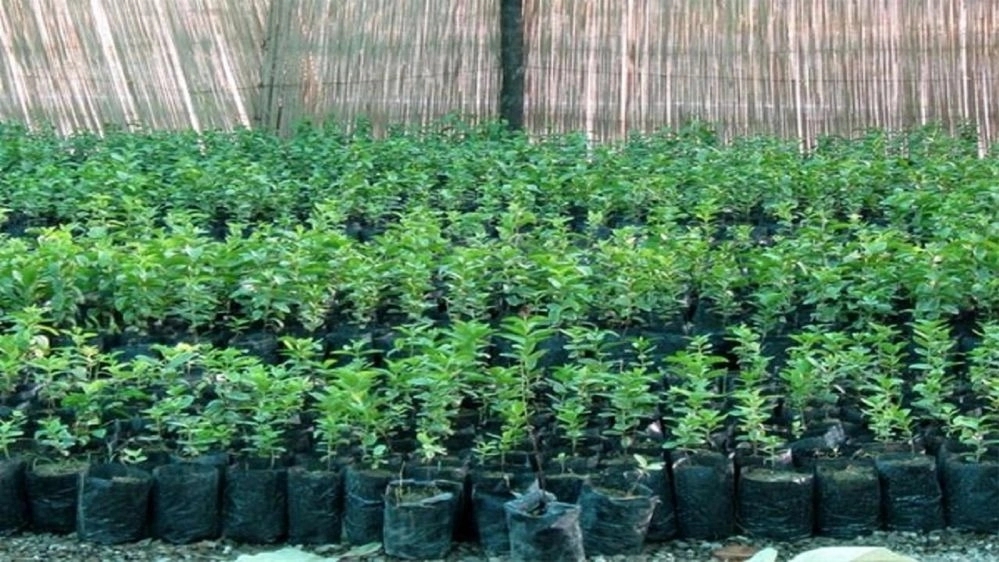
1. The weather required of fruitful trees
Pistachios give good results in warm and temperate areas and require sandy soils that are permeable.
Citrus fruits grow in relatively warm and humid areas.
Pomegranates and figs grow well in relatively warm plains and cherries in mountainous and cold regions.
Grapes need a lot of radiation. If cherry needs less radiation.
2. The soil suitable for fruitful trees
The type of soil also has a significant effect on the preservation and health of the plant. For example, if the soil contains chalk, it will disturb the cultivation and the trees will stop growing naturally, or if we plant trees in stony land, due to the presence of stones deep in the ground, hairy roots will hit the stones. Due to the lack of access to food, their growth is stopped and eventually the trees are damaged.
Planting and proliferation of non -fruit trees
Using wood
Decorating promenades and houses
Avoid strong winds
Prevent soil erosion
Methods
Some of these trees can be propagated by cuttings, such as kobude, sepidar, willow and plantain.
Others, such as acacia, maple, cypress and pine, propagate by seed.
Few of them are also propagated by Pajush, which is not very common.
Fertilizer required
The soil should be suitable for non-productive seedlings, if it is clay, it should be mixed with sand and animal manure to reduce its hardness or vice versa. If the soil is sandy, it should be mixed with clay and animal manure so that it can be planted properly. For the growth of these plants, in addition to animal manure, you can use garbage or manure and chemical fertilizers.
The time of planting of non -fruit trees
The seeds of cypress, pine, sparrow's tongue, and maple trees are planted in March or April, and the elm seeds that arrive in spring are planted at the same time, and the acacia seeds are planted in early May; Some of the seeds of the mentioned seedlings lose their ability to germinate if left for more than one year. The seeds of trees such as pine or cedar can maintain their growth power for up to four years.