

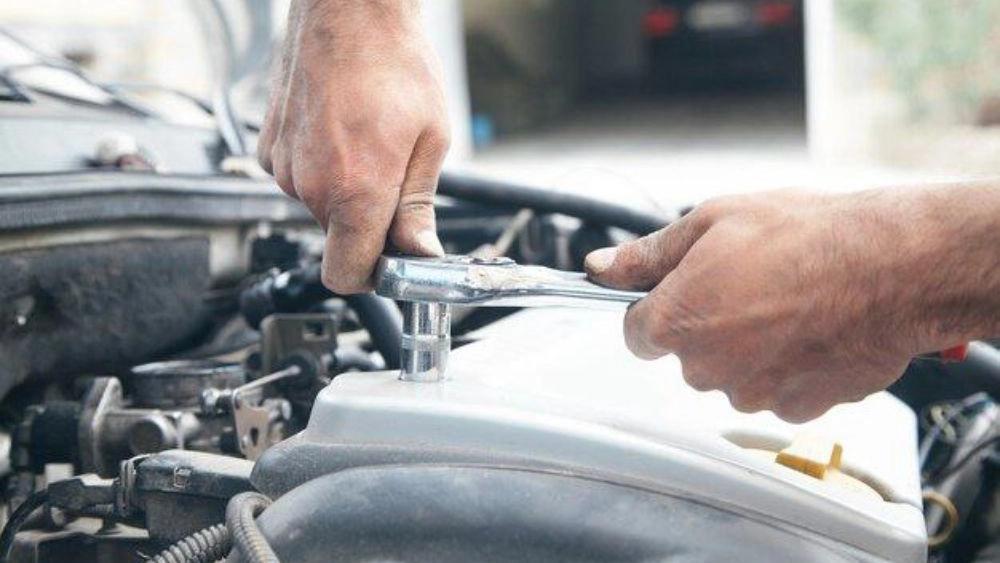
Your car's engine is one of its most important components, and regular maintenance is essential to keep it running smoothly and efficiently. By following these tips, you can help extend the life of your engine and save on repair costs down the road. The engine is the heartbeat of any car, and as a car owner, you want to keep your vehicle's engine in optimal condition for as long as possible. Extend its life and prevent unexpected breakdowns. In this article, we have listed the essential expert tips that you should focus on when taking care of your vehicle's engine.
1. Frequent replacement of oil
The engine has dozens of moving parts that are prone to wear and tear if not lubricated. You should change your car's engine oil regularly so that these moving parts are always in working condition.
2. Clean your motor regularly
Car engine needs to be thoroughly washed at least once a year. Dirt, dust and debris accumulate on the oil surfaces of the engine and reduce the efficiency of the cooling system by increasing insulation. Steam cleaning at a car wash is more effective than doing it at home, but they both do the job. Cleaning not only allows your engine to breathe, but also reveals any leaks and worn components that need replacing.
3. Check your air filters
Air filters are easily clogged by dust and debris, which chokes the entire engine system by consuming more energy and fuel than expected. The result is a faulty air filtration system. Experts recommend changing the air filter every 12,000 miles, but you should check the system regularly for any problems.
4. Monitor the radiator under
As the engine breaks down fuel into mechanical energy, it produces excessive and unnecessary heat. The radiator transfers this heat from the engine to the atmosphere by circulating antifreeze.
Diesel engines generate more heat than gasoline engines and their radiators are overworked. However, all engine radiators should be checked frequently for performance and physical defects. In case of any malfunction, you can have a radiator replacement, where the rust and impurities are removed from the antifreeze and the system is filled with new antifreeze.
5. Replace gasoline filters
Gas engines have a single fuel filter, while diesel vehicles have two. Fuel filters trap water particles in the fuel. These particles can lead to engine stalling, blown fuel injectors or loss of horsepower. Most engines require a fuel filter replacement every 10,000 miles, and you should check them regularly for damage.
6. Look for a leak
We have seen how vital oil and antifreeze are in the car engine. Unfortunately, these fluids can leak due to broken pipes or faulty valves, and when this happens, it reduces the efficiency of the system. Always check your parking lot for oil drops and consult a mechanic if you see any.
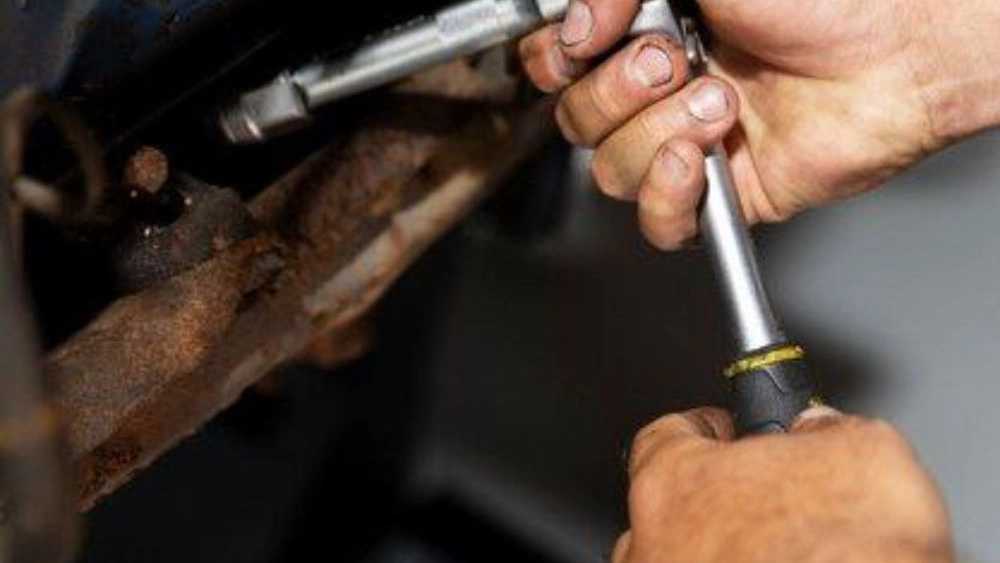
7. Check your heads and hoses regularly
The belts and hoses in your car's engine drive various components such as the water pump, alternator and power steering pump. Over time, belts and hoses can wear and crack, which can lead to leaks and other problems. Check your belts and hoses regularly for wear and tear and replace them if needed.
8. Check your candles regularly
Spark plugs ignite the air-fuel mixture in your engine, so they are essential for proper engine operation. Over time, spark plugs may become fouled and need to be replaced. Check your spark plugs every 30,000 to 45,000 miles and replace them as needed.
A vehicle is a significant investment and to maximize its mileage. It is wise to keep the engine in good condition. Change your oils frequently, check for broken parts, and take the other important steps mentioned in this article to get the most out of your car.