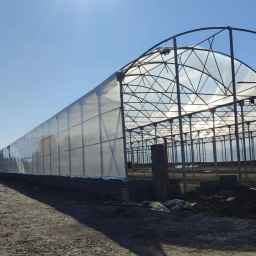

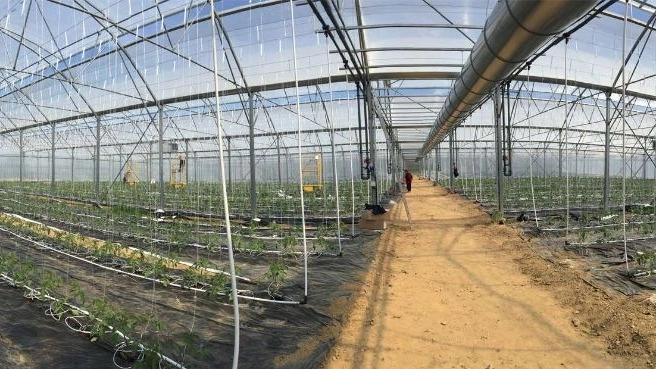
Greenhouses are artificial structures that can provide the environmental conditions needed for plant growth. These systems play an important role in controlling temperature, humidity and light and enable the production of agricultural products throughout the year.
1) wooden greenhouses
The main skeleton of these greenhouses is made of wood and it can be covered with various types of plastic and polycarbonate. The height of these types of greenhouses is two to three meters, and due to the heterogeneity of the materials used, they do not have a proper heating and ventilation system, and they are only low-height greenhouses and are not suitable for growing crops such as cucumbers and tomatoes. The cost of construction for this type of greenhouses is correct, which is done at a lower price. But due to the unsuitable space inside for plant growth, the amount of production per unit area is usually very low compared to modern greenhouses, which is a completely temporary structure and has no economic and production justification.
2) metal or industrial and modern greenhouses
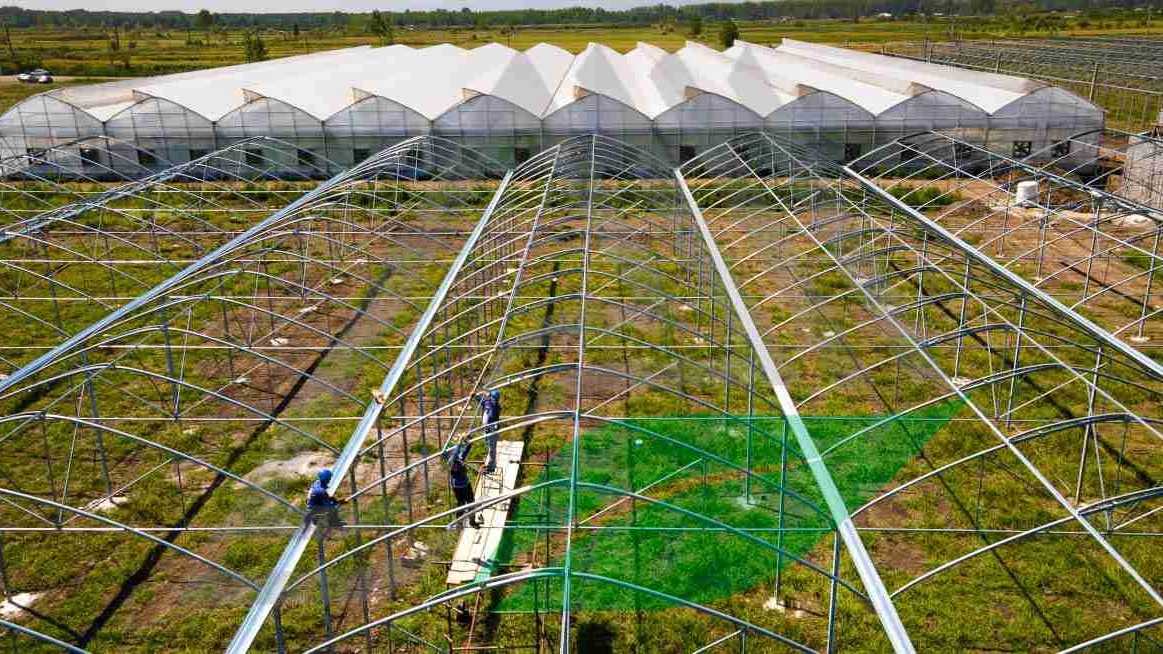
The skeleton of these greenhouses is made of metal and its cover is made of uv plastics, polycarbonate and glass. In fact, we have 4 types of greenhouses. A, B, C, D type greenhouses, which increase the greenhouse quality from A to D respectively. Type A greenhouse is similar to wooden greenhouses with a low height and D type greenhouses with a height of more than 5 meters with completely suitable covers of glass with polycarbonate, which due to the favorable indoor conditions for plant cultivation, production per unit area of this The type of greenhouses is much more useful than the basic types. The connections of parts in industrial and model greenhouses are either by means of bolts and nuts or welding, and it is true that the cost of building a model greenhouse is more than that of a wooden and basic economic greenhouse, but it is easier and faster than that, and changes in its structure are also made. It is more comfortable and has a longer life.
There are different types of greenhouses that can be classified according to their type, structure and function: Glass Greenhouses: Usually use glass for cover and are suitable for areas with low light. Plastic greenhouses: Use transparent or semi-transparent plastic as a cover, which are cheaper and therefore more popular. Hybrid greenhouses: These types of greenhouses use the combination of different materials to optimize different functions.
Benefits of using Industrial Greenhouse:
Excellent protection of plants against climate change
What makes a greenhouse a great investment for you is that you can provide your plants with a high level of protection from harsh weather conditions and changes. For example, if you are in northern temperate regions, there is nothing better than the final protection of the plant using organic fertilizer against the effects of unseasonal temperature fluctuations, including snow, frost and heat waves. These are things that can seriously damage your plants and agricultural products. But if you grow them in the greenhouse, they will be immune from these damages. Also, protection of plants against strong winds and harmful rays of the sun is another advantage of greenhouse cultivation.
Prevention of pests
One of the most important concerns of farmers and gardeners for the maintenance and growth of various plants and products is the presence of diseases and pests, which are usually difficult to prevent in the natural environment. But a greenhouse with an enclosed building structure can be very useful for protecting your plants from pests and predators such as birds and insects.
Some of the most important pests and predators to watch out for are: moles the squirrels Rodents (You can prevent their damage by adding traps and plates in the greenhouse.) Of course, some insects can also be useful for your greenhouse. For example, ladybugs are very useful for plants and can help control the population of annoying insects.
2. Products without the need for pesticides
1- Gardening in all seasons
One of the common problems that many gardeners face is that they cannot have the growing season whenever they want due to the season, time of year and weather changes. As a result, their production and profit will decrease. For example, a person who wants to grow cucumbers in non-greenhouse spaces should do so in certain seasons. If one of the advantages of greenhouse cultivation is that you don't have to worry about any of these things! With a greenhouse, you can not only control the temperature of your garden, but you can also start your growing season at any time of the year.
Increase your production.
When you can garden in a greenhouse in all seasons, it means you can increase your plant production. As a result, your products will be more and of higher quality. On the other hand, the appropriate temperature inside the greenhouse, which is one of the advantages of greenhouse cultivation, can encourage or accelerate the growth of plants. In fact, you are free to create the perfect growing environment for any plant you want to maximize your harvest.
1- Possibility of choosing a gardening place
Another advantage of greenhouse cultivation is that you can have a specific area for your gardening and growing. This allows you to grow anything from flowers to vegetables and other plants in its own suitable environment. You can also keep your gardening tools and equipment in one place and you will not need to move them constantly.
7. Water consumption
One of the problems of many farmers, especially in our country of Iran, is the lack of water when the plant needs it, which leads to huge losses. But in the greenhouse, drip irrigation systems can be set up well, and especially by maintaining the temperature and humidity, the plants suffer less dehydration.