
Selection of seedlings is the most important issue for a gardener or nursery owner to have quality and healthy trees. The quality of the trees is more important than the quantity, and one should not focus on the total number of trees produced and ignore their physical and genetic quality. A few healthy trees are better than many poor ones. Choosing a good seedling is the foundation of success in tree planting. If your farm has all the conditions for growing trees, such as a suitable place for planting, soil conditions with sufficient humidity, suitable slope and availability of light, but you neglect to choose a good seedling, it will cause waste of resources and space and generally cause a decline. You become the productivity of your farm.
Healthy and high quality seedlings have a higher survival rate and faster growth in the field than poor quality seedlings. The rapid growth of the seedling makes it able to compete with weeds and reduce initial labor costs. Fast growth also enables the farmer to harvest wood or fruit sooner and increases the farmer's return on investment.
The properties of healthy seedlings
A healthy seedling has two main aspects. The first one is the genetic quality or seedling seed, and the second component is the physical quality of the seedling, i.e. its physical condition when it leaves the nursery. Improving the genetic quality of seedlings requires a long-term seed selection strategy, while improving the physical quality can only be done in one or two seasons.
Seed source quality
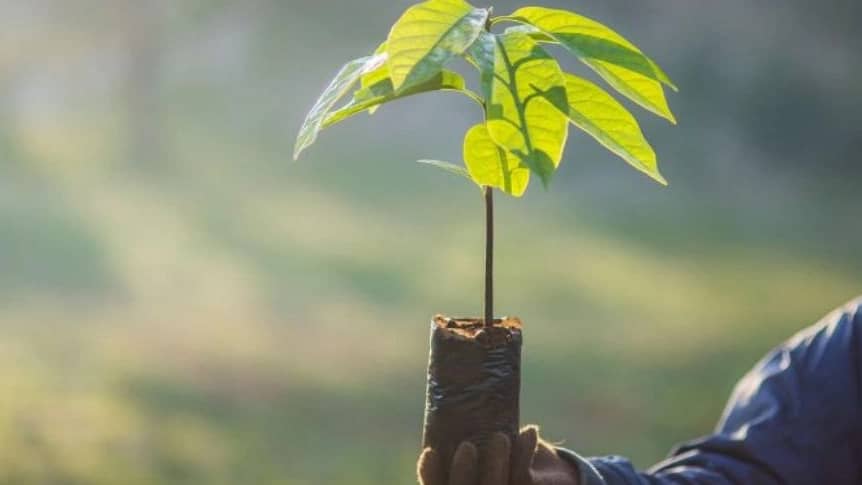
The characteristics of the mother trees can greatly affect the characteristics of the seedlings. The quality of the seed can determine whether the seedling will grow well or poorly. Studies around the world have shown that good seed improves survival, wood and fruit quality, and shortens rotation or harvest time. Since trees take longer to mature than crops or livestock, tree planting becomes a long-term investment and choosing high-quality seeds is very important.
The physical quality of the seedlings
No single characteristic determines the quality of a healthy seedling. The characteristic of a healthy seedling is a combination of height, diameter, plant nutrition, health, root size and shape. Together, these traits determine how well the plant will adapt in the field and affect survival rates.
Many of these traits work together and influence each other. The purpose of choosing a good seedling is to have most of these features in the seedling. Depending on the type of environmental conditions, these traits will be different for healthy seedlings, so you should talk to foresters and farmers to find the most important traits. For example, short seedlings may be suitable for dry and stony soils and grown in small containers, while tall seedlings may be suitable for wet sites or active pastures.
The properties of healthy seedlings
- سالم و عاری از بیماری هستند.
- دارای یک ساقه منفرد محکم و چوبی بدون تغییر شکل هستند.
- ساقه آن ها محکم است و قطر ریشه زیادی دارد.
- تاج آن ها متقارن و متراکم است.
- سیستم ریشه ای دارند که بدون تغییر شکل است.
- سیستم ریشه ای متراکم با موهای ظریف و فیبری زیاد با نوک ریشه سفید دارند.
- بین اندازه ساقه و ریشه آن ها “تعادل” وجود دارد.
- برگ های آن ها رنگ سبز تیره و سالمی دارد.
- به دوره های کوتاه مدت بدون آب عادت دارند.
- به نور کامل خورشید عادت دارند.
Feature of unhealthy and inappropriate seedlings
- از نهال هایی که به نظر می رسند بیش از حد آبیاری شده اند خودداری کنید – این امر به صورت توقف رشد و زرد شدن برگ ها نشان داده می شود.
- از هر گونه نهالی که نشانه هایی از حشرات یا آسیب فیزیکی را نشان می دهد خودداری کنید.
- نهال هایی کهزرد رنگ یا قهوه ای می شوند خوب نیستند. این گیاهان تحت تنش هستند و پس از کاشت، تمایل به بذر زدن دارند.
- اگر ریشه نهال به رنگ قهوه ای باشد آن نهال مرده است.
- شکل ریشه ها را بررسی کنید. اگه ریشه های نهال تغییر شکل داده باشند از انتخاب آن ها پرهیز کنید.
The root shape in healthy seedlings
The main root in a healthy seedling should be as flat as a carrot, or if there is no main root, many smaller roots should branch out without any pattern or curvature. If the roots are knotted or coiled, they will eventually suffocate the tree or may attract insects or fungi that damage the tree. There are two types of root transformations:
Root deforms caused by compressing into the container
Deformations are generally in the first 10 cm below the soil surface or as long as a finger. Often, seedlings are squeezed into containers that are too short for the root system. The roots are pressed into the container or the root end is bent upwards while placing the seedling in the hole. Since the roots always want to grow downward, they bend back and form a "knee" or even a complete ring. These plants should be avoided because they will never grow well in the field.
Root deformations caused by the bag
Smooth plastic bags cause the main root to twist or spiral along the walls or at the bottom of the bag or pot. This inevitably happens when the plants remain in the nursery for a long time.