

Importance
Generators are composed of various components, each of which plays a vital role in the overall performance of the device. The quality and characteristics of each part directly affect the efficiency, longevity and efficiency of the generator. In this article, we will examine the key features of the main parts of the generator.
1. Generator motor (Engine)
• Power and capacity: The engine must have the ability to produce enough power to provide the output power of the generator. Engine capacity is usually determined based on output power (kilowatts or kilovolt-amperes).
• Fuel consumption: High efficiency in fuel consumption is one of the important features of generator engines. Diesel and gas engines are the most common types.
• Resistant structure: The engine must have a strong structure that is resistant to harsh conditions (such as high temperature and pressure).
2. Alternator (alternator)
• Coil material: Coils made of pure copper are more efficient and durable.
• Power generation efficiency: The alternator must be able to convert mechanical energy. to have the least waste of electricity. Cooling system: The existence of a proper cooling system to prevent overheating.
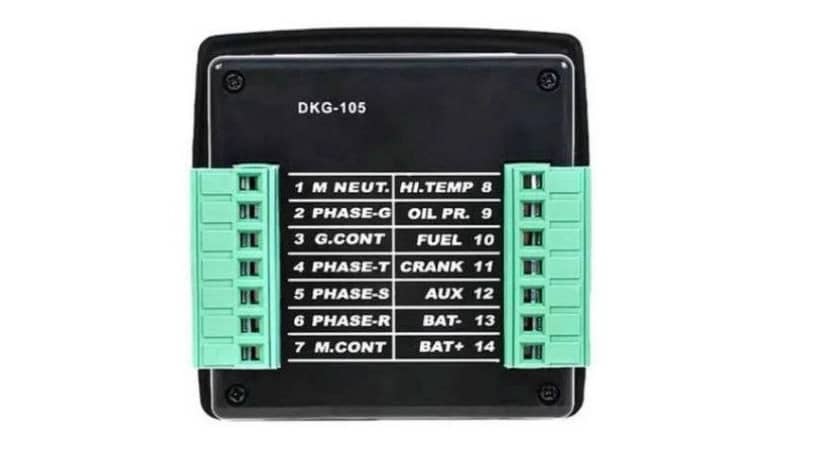
3. Control panel (Control Panel)
• Accuracy and efficiency: The control panel must have the ability to monitor the generator's operation accurately, including voltage, current, frequency and temperature.
• Programming ability: Some advanced panels allow the automatic setting of the generator to turn off and on.
• Easy user interface: Simple and understandable design for users.
4. Filters (Filters)
• Air filter: must have the ability to prevent suspended particles from entering the engine and guarantee the quality of the incoming air.
• Oil filter: < /b>It must purify the oil from particles and pollution to keep the engine performance optimal. Prevent the fuel system.
5. Cooling System (Cooling System)
• High thermal efficiency: The cooling system must keep the engine temperature within a safe range.
• Durability and quality: Use of resistant materials. Against corrosion and rust.
• Adequate volume of coolant: The system must have enough capacity to control the engine temperature.
6. Battery and Charger (Battery and Charger)
• Sufficient capacity: The battery must provide the necessary power to start the engine.
• Fast and efficient charging: The charger must be capable of fast charging. without damage to the battery.
7. Exhaust System (Exhaust System)
• Reduction of pollutants: Exhaust must be able to reduce the emission of harmful pollutants. .
• Resistance to temperature: Using materials that are resistant to high temperature.
8. The chassis and body of the generator (Frame and Housing)
• High strength: It should bear the weight of the engine and other parts.
• Proper insulation: The body should be capable of sound insulation and protection from have internal parts against environmental conditions (such as rain and dust).
• Portability: Some generators have wheeled chassis for easy portability.
Importance
The quality and characteristics of each of the mentioned parts have a direct effect on the performance of the generator. Choosing high-quality parts will help you to:
• Keep the device functioning optimally.
• Reduce maintenance costs.
• Extend the life of the generator.
• Avoid unexpected breakdowns. to be
Conclusion
Understanding the characteristics of generator parts will allow you to choose the right machine for your needs or get quality parts if repairs are needed. Always pay attention to the compatibility of parts with the device model and use products from reputable brands.