
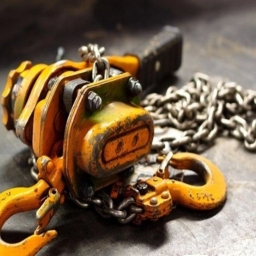


Maintenance and repair programs are a set of methods, forms and instructions that deal with the planning of corrective or basic maintenance and repair, how to supply spare parts, and planning to supply the necessary manpower. The maintenance and repair program should be carried out regularly according to the instructions of the crane manufacturer. Of course, it should be noted that what is proposed by the manufacturer is a preventive maintenance and repair program that is carried out periodically, and the crane may need other repairs based on the inspection schedule.
In this section, general issues regarding preventive maintenance and repair that are common to different types of cranes are discussed. All maintenance, repair and replacement items must be reported in a special notebook and approved by the foreman or repairman. Maintenance and repair documents must be properly filed. The personnel of the maintenance and repair department must have sufficient knowledge about the machines and be aware of the dangers of the work environment.
Crane repair safety tips
In this section, general issues regarding preventive maintenance and repair that are common to different types of cranes are discussed. All cases and actions that are done for maintenance, repair and replacement must be reported in a special notebook and approved by the foreman or repairman. Also, the documents related to maintenance and repair should be properly filed. The personnel of the maintenance and repair department must have sufficient knowledge about the machines and be aware of the dangers of the workshop environment.
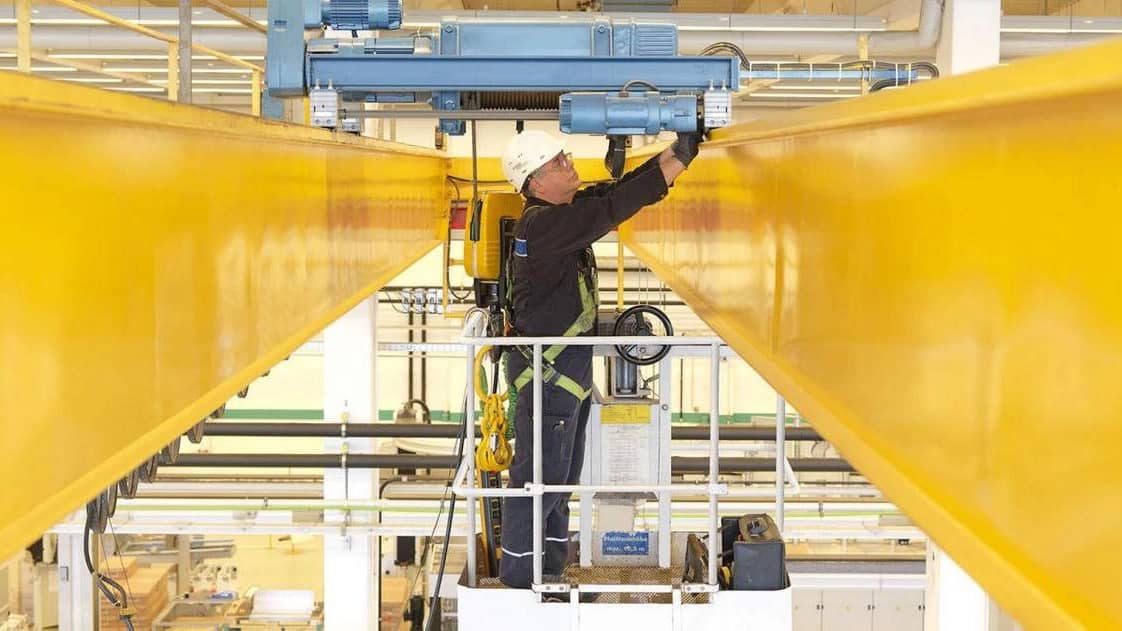
Required equipment should be placed in the repair place regularly and the repair area should be separated from the surrounding area by a rope or fence and only repair personnel should enter this area.
If movement or fall Any other part of the crane causes danger during implementation, repair and assembly, that part should be restrained or strengthened. If the engine is not necessary for repairs, it should be turned off.
When the engine is on or the driver has access to the control levers inside the cabin, under no circumstances should people be under the parts under repair or on the parts without the coordination and knowledge of the driver.
All the control levers must be removed and ensure so that the levers are not activated unintentionally.
The crane must be off and the switch removed to ensure that the crane is inactive. If more than one switch is available to the personnel, a warning sign should be placed inside the cabin so that others do not turn on the crane.
Warning signs should be installed outside the cabin and on the crane to indicate that the crane is in operation. It is a service and should not be used.
When performing repairs, consider the following:
Keep the crane clean. Clean oil and grease from the deck and remove cleaning cloths, cables, chains, buckets and barrels and other items that may cause a hazard. Put the wrench and tools in the toolbox. Use non-flammable cleaners for cleaning.
Clean and dry your shoes before working on the brakes.
Do not wear loose clothing when working because it may Clothes can get caught in moving parts and cause danger. Keep hands, feet and clothing away from gears, tow ropes, drums and pulleys.
Make sure safety equipment such as fire extinguishers are available and working properly. Do not tamper with the safety devices.
When you want to climb the crane, do not hold the ropes with your hands to help you climb. The cables are slippery due to the lubrication and may cause you to fall.
Use a stick or a piece of wood to guide the cables into the drum.
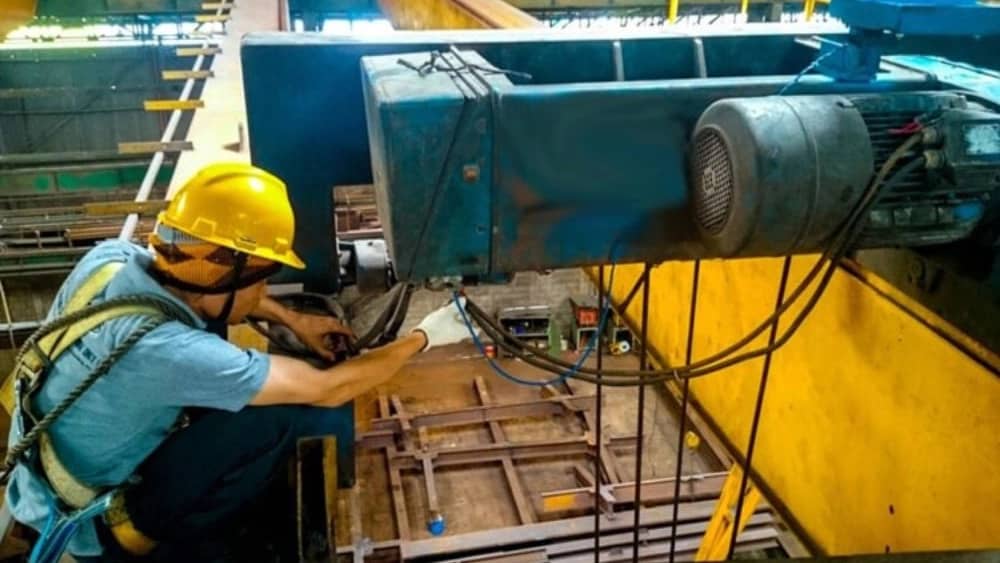
After repairing and before using the crane, the following should be noted:
All parts opened and closed during repairs should be visually inspected and then checked by the driver to ensure that the components are working properly.
Repair Warning Signs and Signs remove and put the signs and signs of the crane's working conditions in the appropriate places again.
Damaged equipment that has been overhauled before use should be repaired by trained and experienced technicians or Representation of the manufacturing company as be fully tested.
The following defects must be repaired quickly to ensure the safety of the loading operation:
Important components of the moving mechanisms if they are cracked, fractured, corroded, bent and severely worn.
Important components If the crane structure is cracked, bent, broken, and severely worn.
Defective load hook (Figure 1) must be replaced. It is not acceptable to repair it with methods such as welding and bending.