


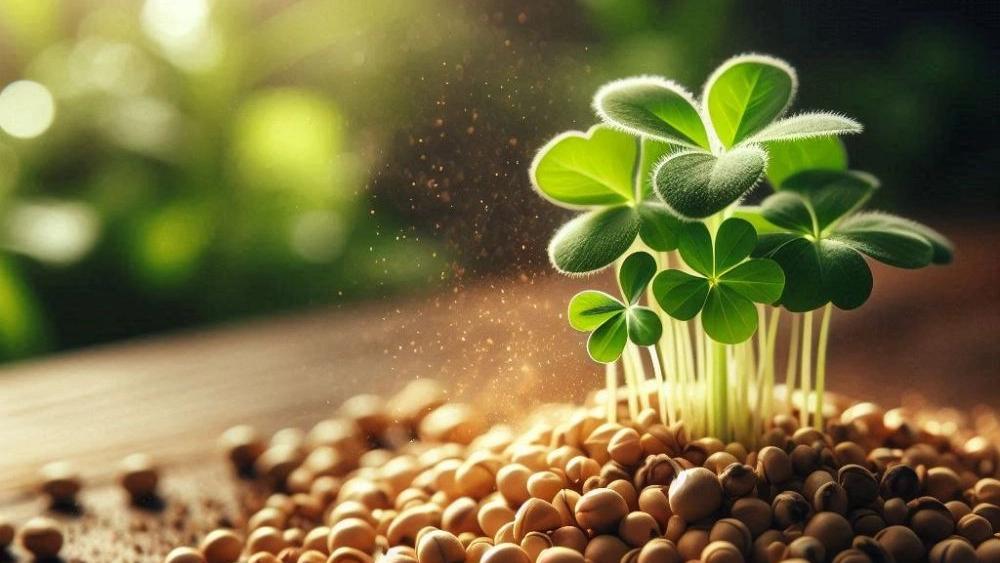
Alfalfa is named according to the climatic region suitable for planting. In Iran, there are two types of alfalfa seeds, foreign and local. To choose alfalfa seeds, one should pay attention to the geographical location of alfalfa cultivation. For example, if the alfalfa planting site is in a cold region, it is necessary to use types of alfalfa from cold regions (such as Qara alfalfa and Hamadani alfalfa), which most likely have the hereditary factors of cold tolerance. In the following text, several famous types of alfalfa seeds are mentioned.
Hamedani alfalfa seed
Hamedan alfalfa is a perennial herb that is suitable for planting in cold areas and produces 2 to 5 China during the year. Hamadani alfalfa is one of the most popular forage. The altitude of this type of alfalfa can reach one meter.
Yaghdadi alfalfa seed
Baghdadi alfalfa is a perennial alfalfa that is harvested during the year 2 to 5 China. Baghdadi alfalfa is a herbaceous plant that grows in tropical areas with high humidity. This is a high -quality food alfalfa high food for livestock.
American alfalfa Seed Produced by the University of Freedeno California. The areas cultivated in the United States include California, New Mexico, Nevada, Arizona, Old Mexico, as well as other parts of the world with similar climates, such as the southern half of Iran and the Persian Gulf states. American alfalfa seeds due to the high quality of forage produced can replace other older options.
Salinated alfalfa seed
Due to water salinity in many The regions of Iran, many farmers are looking for salinity resistant seeds. In a study conducted on five types of alfalfa seeds in Qom in year 5 and the results are available on the SID site, Yazdi alfalfa and Hamedani are the resistance of alfalfa seeds compared to other alfalfa seeds in this. Research.
Best alfalfa seed
The best alfalfa seed varies depending on its cultivation site. But in general, the best alfalfa seeds in Iran are Hamadani, alfalfa, Baghdadi and Nikshahri, and among the types of foreign alfalfa seeds found in Iran are the types of Pacific Gold, Pacific Star and Maska. >
familiarity with alfalfa seed and its extraordinary healing properties
Reduce menopausal and menstrual symptoms
Many menopausal problems are the result of estrogen deficiency. Alfalfa seed contains a large amount of phytoestrogens, which has a similar chemical effect to this hormone. Although no scientific research on alfalfa seed has yet been conducted, one study has shown that alfalfa seed extract is capable of treating menopausal problems such as hot flashes, night sweats, sleep disorders and more. In addition, consuming alfalfa eggs helps reduce menstrual symptoms such as pain and abdominal cramps.
Cancer Prevention
This seed contains antioxidants. Which reduces the damage caused by free radicals such as DNA damage and cell death and improves the body's ability to fight them. As a result, the body is protected against serious diseases such as cancer (especially breast cancer). It helps reduce uric acid as well as blood purification, so it prevents and treats gout. In addition, this seed is useful in the treatment and relief of symptoms of rheumatism, joint inflammation, and bone softness (rashism).
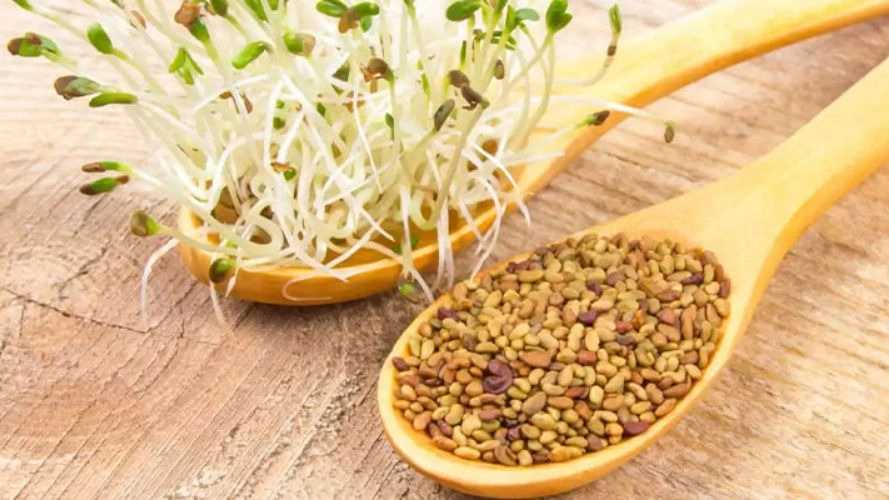
Help digestion
alfalfa seed contains a large amount of beta -carotene, which helps enhance the coating tissue or epithelium in the mucous membranes. Also, the plant contains compounds called betaine that, according to studies, helped break down fats and proteins and have a positive effect on gastric ulcer.
Preventing anemia and iron deficiency.
Alfalfa containing iron that can improve blood circulation, because if you do not consume adequate iron, the number of red blood cells decreases and leads to anemia (especially in women), decentralization, fatigue, Dizziness and disorders in the stomach. Therefore, regular consumption of alfalfa seed can be useful for preventing and treating this problem.
Bone Strengthen
Alfalfa egg helps strengthen the bones because the vitamin K in it improves calcium absorption. Therefore, consumption of these seeds prevents osteoporosis and bone tissue analysis. It also helps to grow healthy bones, so it is very suitable for children's growth.
Help Blood clots
alfalfa and its seed containing vitamin K It helps to clot blood. It should be noted that the daily requirement of this vitamin is 120 micrograms for men and 90 micrograms for women. Eating only one cup of alfalfa seeds provides 13 % of the recommended daily amount of this vitamin.
Prevention and Treatment of Colds Colds help, because these seeds contain many antioxidants that strengthen the immune system and also reduce the risk of infection and viruses. In addition, the consumption of alfalfa seed decoction will relieve symptoms of colds, including sore throat and cough.