

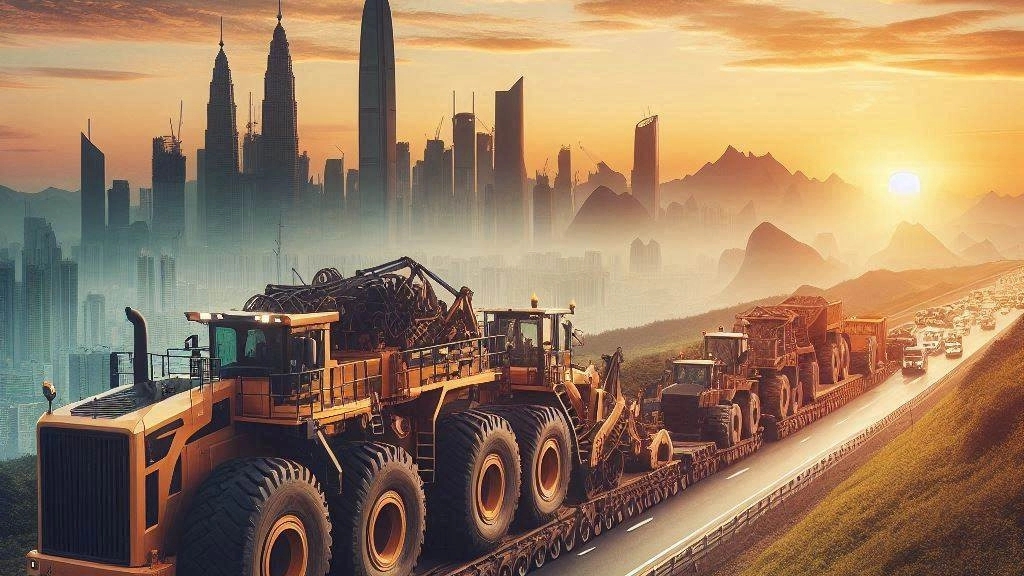
Transportation of heavy machinery is one of the most important and complex processes in the transportation industry. Heavy machinery includes equipment such as bulldozers, excavators, cranes, tractors and other heavy industrial and agricultural equipment that require special equipment and planning. One of the common ways to do this is to use the car. In this article, a comprehensive and thorough examination of heavy -duty car transportation is discussed.
Heavy machinery requires special transport equipment because of its large weight and dimensions. These machines are used in various industries, including construction, mining, agriculture and manufacturing industries. Since most of these machines are not capable of long -term movement on the roads, they must be carried by appropriate vehicles.
Car or heavy trailers are vehicles that are specifically designed for the transportation of heavy vehicles and vehicles. These trailers have different types that are used depending on the type of machinery and transportation conditions.
Types of cars
B> These trailers have a flat, wallless insole that are suitable for lower altitude machinery.
Baccino trailers: These trailers have a failure mechanism in the middle that can be loaded and discharged easier. Machinery provide.
Low -footing trailers: These types of trailers are suitable for high altitude transportation and do not cause any problems due to the low height of the bridges and tunnels.
Sliding trailers: These trailers have sliding capability that can be used for easy loading and unloading of heavy machinery.
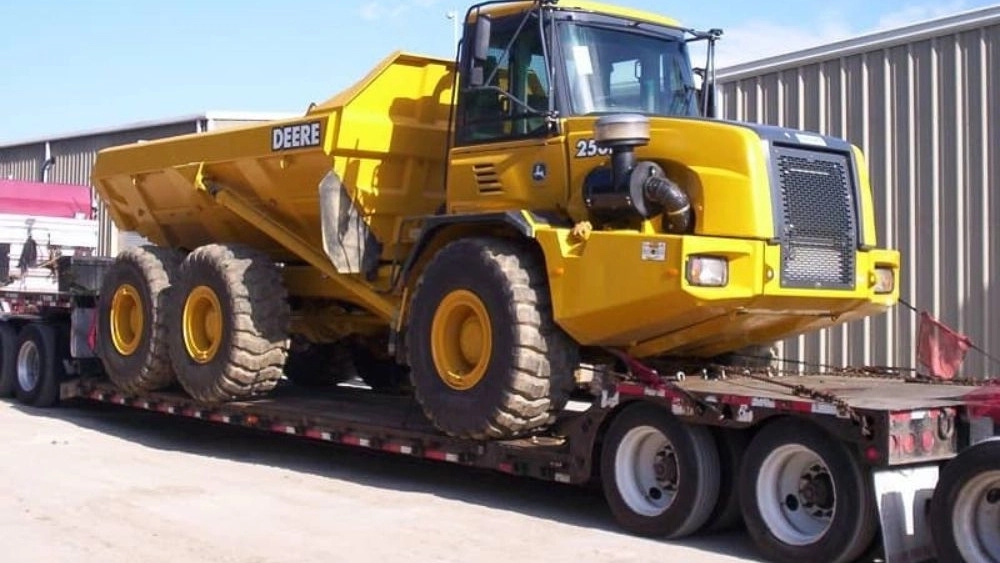
Transportation process of heavy machinery with automobiles
Transportation of Heavy Machinery with Automotive Machinery includes a variety of stages that are discussed in detail each:
Initial Planning and Review:
The type and dimensions of the heavy machinery
Selection of the right car type.
Review of transportation and evaluation of possible barriers such as bridges and tunnels.
Machinery Preparation: < /b>
Discharge of fuel and liquids if needed.
Close and tighten moving parts.
Use protective tools to prevent damage to machinery during transportation.
Loading Machinery:
Use crane or ramps to load machines on the car. And strong clauses.
Transfer and Transport:
Observe the rules and regulations of the heavy loads.
Regular checking and controlling the status of the vehicle and machinery along the way.
Use escort if needed to cross the high -traffic areas.
Discharge of Machinery:
Select the right and secure location for drainage.
Use crane or ramps to drain machinery from the vehicle.
Check and ensure the health of the machinery after discharge. br>
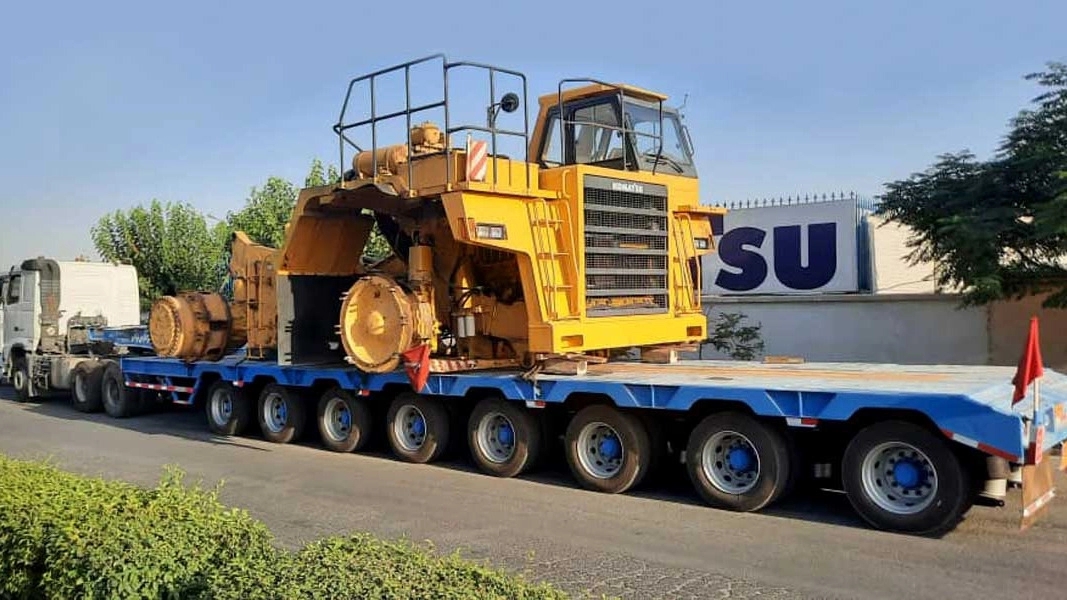
Transportation of heavy machinery has specific risks that are necessary to observe the following safety tips:
Training and Specialty: Operators and drivers must have the necessary training and experience in transportation and experience. Machine Machine Transfer.
Review and Maintenance: Automotive and transportation equipment must be regularly reviewed and maintained to ensure their health and efficiency.
Insurance and Insurance Legal Documentation: All transportation stages must be in accordance with heavy transport laws and regulations and insurance required for machinery and automobiles.
The benefits of using a car to transport heavy machinery
Increase safety: Using a car enhances the safety of heavy machinery transportation.
Reduce costs: With proper planning and use of appropriate vehicles, shipping costs can be reduced.
Increasing speed and efficiency: Cars allow faster loading and discharge and more efficient transportation of heavy machinery.