
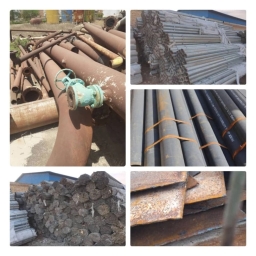

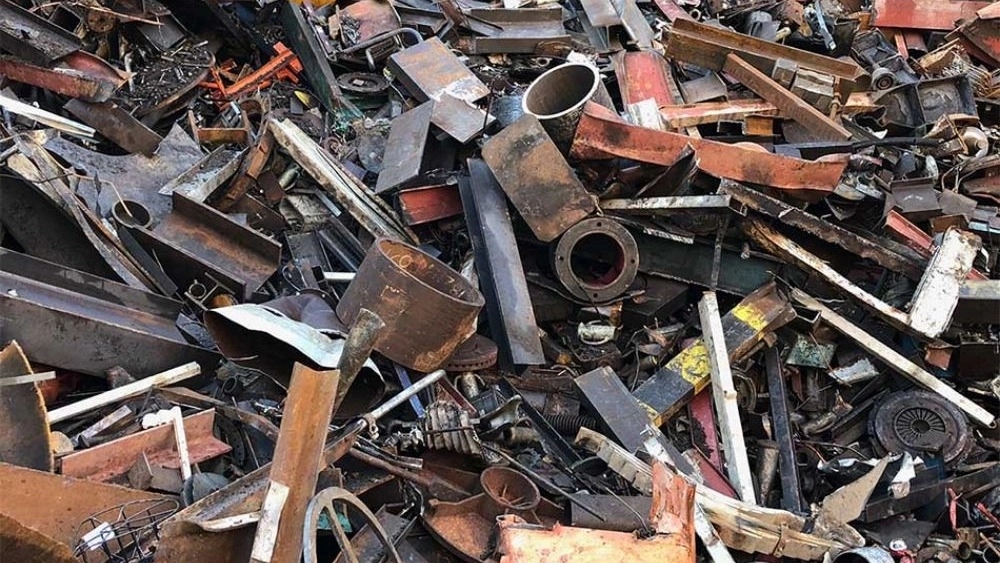
What is the waste?
is generally referred to as products and products in the industry or a manufacturing and factory that either has a production defect that is unable to sell in the market and is not usable. Or applies to equipment and materials that can be lost as a result of damage or end of their useful life and can no longer be used in the desired location. They have. And these materials always have a Peruvian customer to buy. Some of these waste returns to the production line in some industries and can be used as raw materials, such as steel and iron and cardboard production. And in some industries these materials are no longer used and must be sold or destroyed.
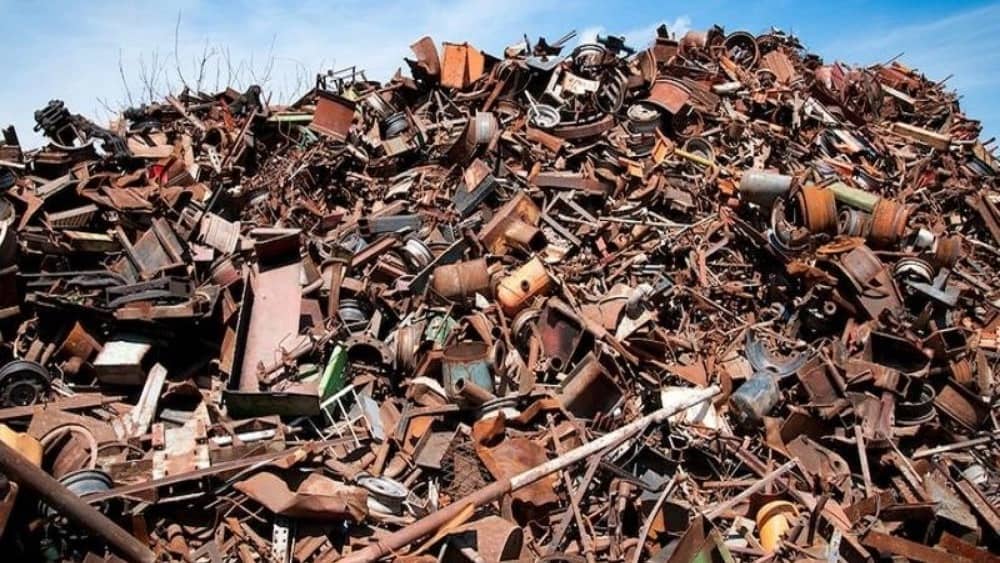
Why is the lesions considered today?
After the World Industrial Revolution, he realized that he was facing a multitude of waste produced by factories that he did not know what to do. And some of these waste were very dangerous and dangerous to the environment and human health. For this reason, they have been thinking of destroying and eliminating these waste since then. By accelerating the industry and industrialization of the whole world, it was not enough to bury it, so the owners and leaders of industrialized countries were thinking of waste management. Or they fell. In some industries, these waste could be sold, and in some industries these waste were dangerous and harmful that had to be safe in the right way.
Classification of waste
These materials are generally divided into two major categories, which we will mention in this section:
Normal or normal lesions: These lesions are caused in the production process and are caused by defects in production. These lesions have always existed in production and always consider a percentage of these waste. Generally, this model of products is capable of returning to production or recycling and can be used as raw materials.
Unusual and unusual lesions: These lesions are not caused by defects in production and production process. Rather, it is produced by human mistakes or the quality of raw materials. These lesions should not usually be produced in the production of products, and generally this case is considered as a loss in the calculation of profit and loss.
Types of waste
waste has different definitions in different industries, for example the lesions created in the steel and iron industry are different in the plastic industry. And in some industries such as: Medical and Biological Industries should be treated with different lesions.
Iron waste
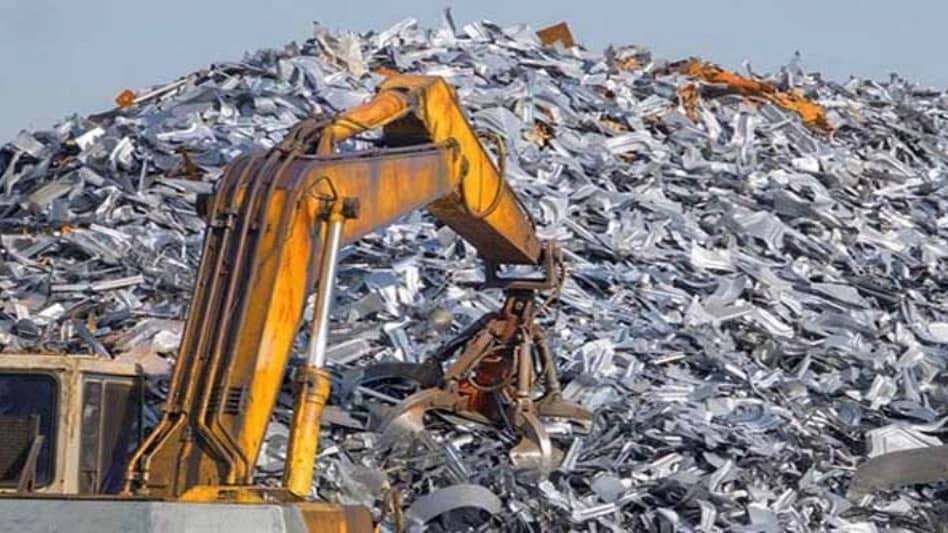
This type of waste is the most valuable and at the same time the most produced in the industry. These may be created in one factory due to the incomplete production process or in the other factory there are equipment and parts that have lost their performance. These cases are very valuable and always used by the buyer because they are used as food and raw materials of iron smelting factories.
Iron oil lesions
This type of material is made of sheets that have a thickness of less than 1 They are millimeters. And have been defective in the production process.
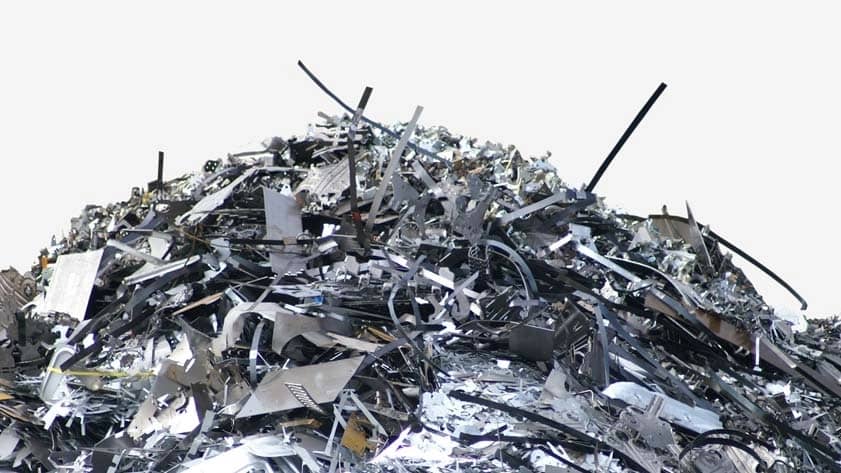
Super Special or Excellent iron lesions
Plastic waste
After iron waste is the most important and expensive category. Of course, these lesions have types and categories that we will mention in this section:
First -class and low -risk plastic lesions referred to as Pet: This type of material is the most abundant of these waste. Due to the high production, they must be low -risk the environment. These materials are capable of returning to the production cycle and usually want a lot of customers. And there is a good price for this type of waste. These include: beverage bottles, oil, mineral water and milk.
Pat is an acronym for polyethylene terephthalates and is very resistant to impact and heat and is also very low for human and environmental health. These materials are usually converted to granules after crushing then turn to the production line of these materials and re -use it.
Second -degree plastic lesions, or heavy polyethylene, also referred to as HDPE: These materials are also low -risk environmental and opaque paint and are usually used to make chemical containers such as: dishwashing liquid and The restroom is used. These materials have 100% recycling capability and can be opened to the production cycle after collection and reused as raw materials. The next case used in plastics and the polymer industry is called polyvinyl chloride, which is made for the manufacture of products. Such as: Polyica pipe and liquid oil bottle are used. These materials are recycled and produce toxic gases if exposed to heat. For this reason, it is very difficult to recycle these materials and the price and buyer of this type of plastic waste is less. It is also used to make some plastic containers and is used for disposable containers. This substance should not be exposed to heat because it causes these materials to enter the food.
Lightweight Polyethylene Lesses or LDPE:
This type of plastic material is made of low density polyethylene, which is why they are called lightweight. It is used to make nylon bags. These substances are safe for the environment and human health. But they are not fully recycled, so they are less valuable than other materials.
PP or polypropylene plastic lesions:
These materials are used to make large and open open food containers, such as yogurt containers, drinks and liquids. These materials are completely safe for human health and the environment and are 100 % recyclable and easily return to the production cycle.
Plastic lesions of PB or Polystyrene:
The most commonly used in disposable containers, which is one of the most productive and consumed plastic materials in the world. These substances should not be exposed to heat because they release toxic gases. These materials must be recycled because they are very polluting properties for the environment. And that's why one of the most recycled plastic materials in the world.
Polycarbonate or PC:
This material is one of the old plastic materials and is used in the manufacture of extensive devices such as computer equipment and utensils. Of course, the use of this substance to make food containers is obsolete due to contamination. It also produces toxic materials and gas against heat. And fully recyclable and use as recycled waste in the production cycle.

Content support expert - code 05 - extension 229
Post Author
I am a content support expert with code 05 in Behazi. My job is to manage, upload and optimize business content. To contact me, you can call 01391001011 extension 229.
نظرات و تجربیات شما
دیدگاه شما چیست؟
با ثبت امتیاز خود، به ما در تولید محتوای بهتر کمک کنید.