
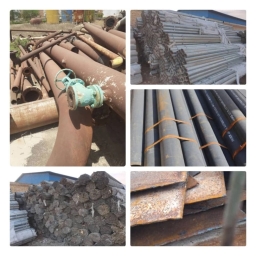

What is iron waste?
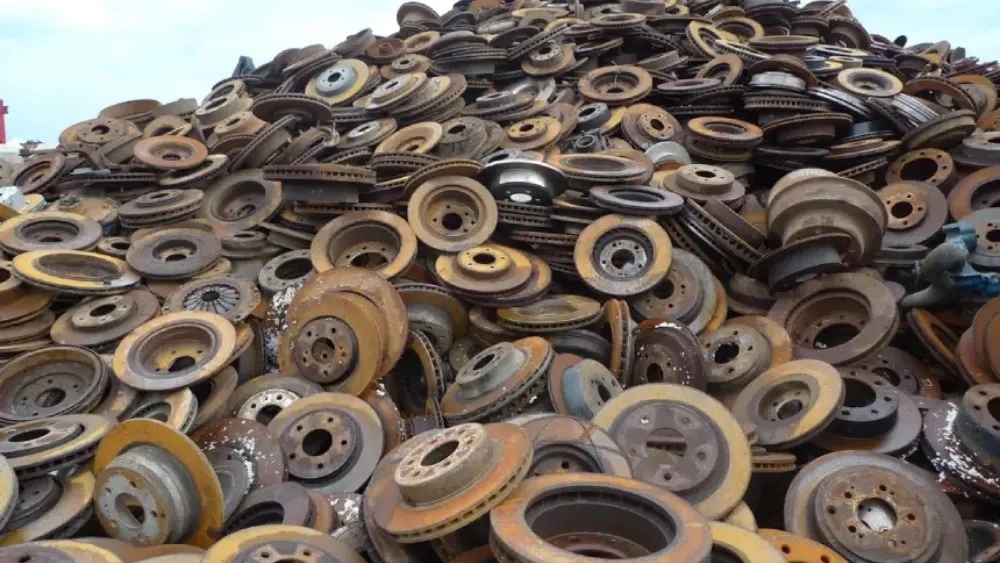
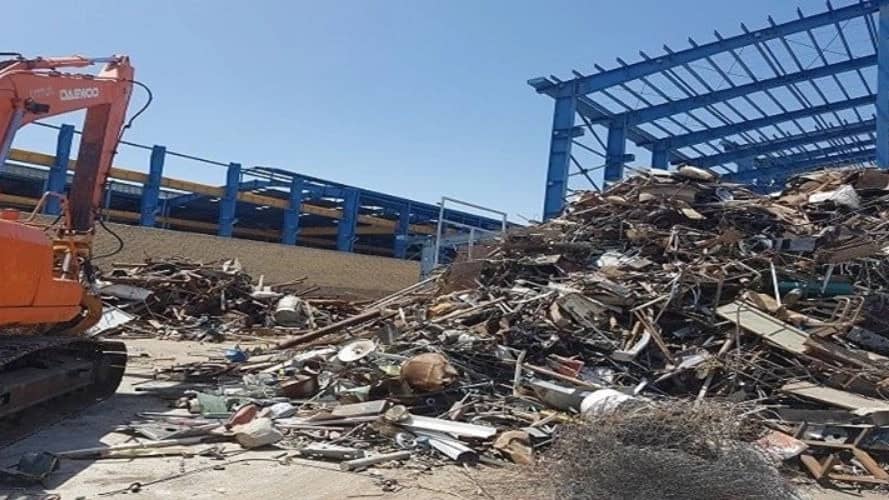
Since we are facing unnecessary construction today, this has led to a great deal of building waste. One of the most important problems in this area is environmental pollution, increasing deaths from cars to the debris on the roads, especially at night. Construction waste such as bricks and blocks must either be transferred or disposed of. But other types of construction waste include iron, copper, aluminum and cast iron waste that can also be reusable in the production of new metals. Wastes that remain unintentionally and random buildings are called building waste. The percentage of all materials used in buildings forms non -metallic waste such as brick, concrete and wood. In contrast, some waste, such as iron scrap, copper, aluminum and cast iron, can also be recovered if there is technology. This makes some people and companies more likely to buy this type of waste.
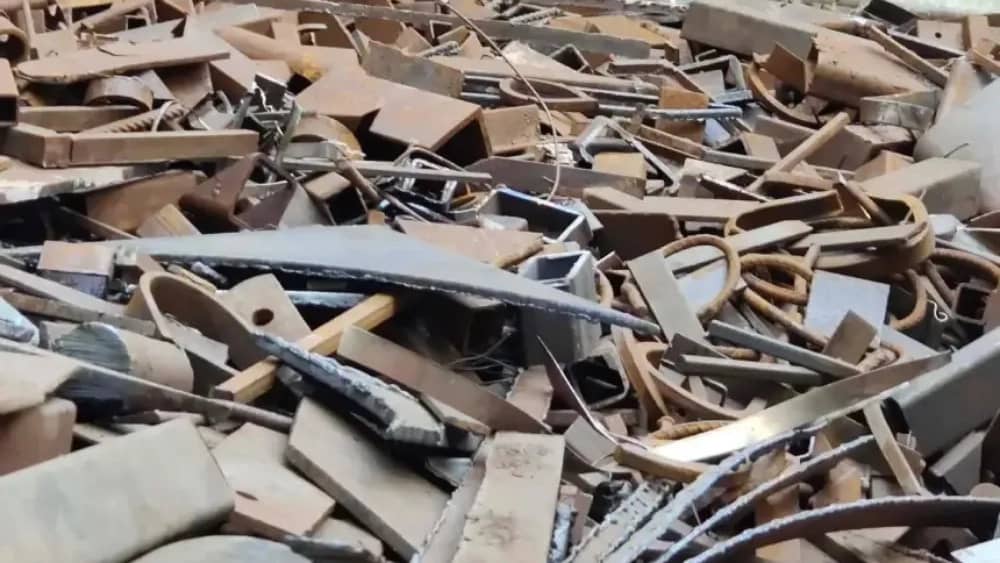
The most important waste from the construction is the iron waste, with the sale of iron waste being part of the construction costs. The iron structure is such that if we demolish a building after years, we can reuse the waste left in other projects, because iron retains its physical and chemical properties over the years (ignore. Appearance). The iron remedies are not only obtained by destroying a set, but it may take time to replace newer equipment, which in turn has led to some of these recycling. Compensate the costs of renovation.
Lesion
waste and waste that are in many cases confused. In the case of waste, it can be said that sometimes the output of a product from the production units does not comply with the standard for that product, which causes that product to be removed from the intended process and sold as scrap or waste. This type can now be considered as raw materials for the same product or can be discarded. But the waste from the raw materials that remain from the remains of the iron sheets, the waste is said to be re -used.
Types of scrap in terms of production time
Scrap from iron and steel raw materials is divided into two categories: Internal scrap: In general, the steel process, such as the manufacture of ingots and steel products, is achieved. In fact, when a product does not meet the final quality standards, this type of scrap is produced. External scrap: These scrap, which remain outside the production stage, fall into two old and new groups. The new industrial scrap is manufactured by final steel manufacturers. These scrap are of a certain quality, and most of them are rolling steps, including wires, waste plates and cuts produced by industrial units. It should be noted that the initial quality of the products in these scrap is maintained, but the old industrial scrap comprises that their functional life has been completed, including car scrap, construction components, bridges and home appliances. /p>
Types of iron waste
Every company uses a special definition to grade waste, but generally includes:
Oil: New sheets that are less than one millimeter thick.
Super Special: Includes iron such as rusty oil sheets, rebar, corners and studs.
Special: The steel products used in buildings such as beams, larger rebar crumbs, cans and profiles used in the construction of the doors and windows under thickness below 5 cm, the corner and the gut.
Class 1: Includes wires and wires, motorcycles and ships, sheet and cut water heater, trans and aluminum without aluminum.
Second Grade: The exhaust and body of the car, barrels, wardrobes and large bodies with any size and poultry lace are in this category.
Grade Three: Iron is with the lowest possible quality, including Aleppo, Wire, Exhaust and Filter.
Galvanized: Includes water pipes, air conditioning channels and any other steel product that has galvanized coating.
Alloy: Irons such as cutting springs and gears that have alloy elements (such as chromium and manganese except iron) that increase hardness and high temperature and greatly reduce flexibility.
Forbidden loads: It is like war equipment and boiling pen.
Special and Special Super Wasses: The Iranian Institute of Industrial Research and Industrial Research has a special category for scrap, with no special super -special type. In other words, people who work in waste are put in a certain category and believe that their value is higher than other types. This has been the case to become more known in the iron scrap market in the iron scrap market. In general, the price of the waste is also determined by determining the price of a kilo iron.
Galvanized iron lesions
If the iron is coated, it is called galvanized iron, it is resistant to corrosion. This iron can be unusable for two reasons.
Over time, it may become fractured or deform under high stresses.
Many products may not be considered quality during the production process and may become waste.
You may be interesting to know that galvanized iron is used in making accessories that can be rusted due to the workplace and if they are rang. For example, galvanized iron is used in the production of cooler channels, homes, kitchen cabinets and water pipes. On the other hand, the presence of zinc in this type of iron causes its degree to be lower than other iron lesions and is less expensive.
Aleppo waste
In today's market, Aleppo waste is sold in both Aleppo and Bulk Aleppo. Cheese cans and solid oil cans and all cans used for food storage are Aleppo waste.
Car press waste
Saga
Alloy iron lesions
If the iron piece has elements such as nickel, manganese, chromium, molybdenum, vanadium and tungsten, it is called alloy iron. Some of the tips on alloy iron lesions are as follows:
This type of waste is cheaper than first -class and two lesions.
They are mainly found in car repair and repair centers.
They are offered at different prices. For example, in factories that produce simple carbon steel ingots, they are purchased at a lower price.
Including alloy lesions as follows:
Application of iron waste
Increase in iron prices in recent years has also increased the value of iron waste. Unlike in the past, a large part of these lesions were excreted, this has led them to look at the raw material for the production of steel sections. The entry of melting furnaces compatible with iron waste and the cost of steel production with them was not ineffective in this approach. In addition, the production of steel sections using iron lesions is less damage to the environment. However, before using these waste, they are purified to separate the rust and other impurities and high quality of production standards. Part of the waste used as the raw material of factories is obtained from the factory's own production line and another part of the waste dealers is purchased. These sellers also buy iron waste from construction projects and other factories.

Content support expert - code 05 - extension 229
Post Author
I am a content support expert with code 05 in Behazi. My job is to manage, upload and optimize business content. To contact me, you can call 01391001011 extension 229.
نظرات و تجربیات شما
دیدگاه شما چیست؟
با ثبت امتیاز خود، به ما در تولید محتوای بهتر کمک کنید.