
What is a CCTV?
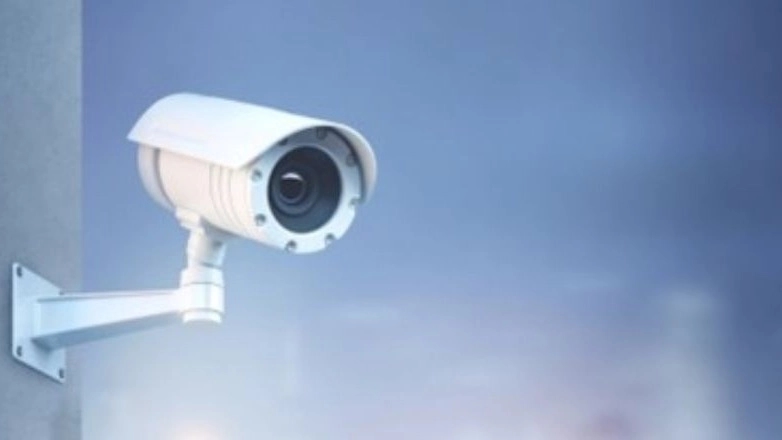
The main use of CCTV is to maintain financial and life security, and nowadays, the CCTV is used in many businesses, restaurants, schools, banks and homes. In fact, with these cameras you can bring together: Preventing criminal activities as well as helping to identify people who have done criminals. When the CCTV cameras were first used, mainly for monitoring events. The lives were used. But soon this technology took on a different scope and led to the emergence of image recorders. As such, today's CCTVs are used in two ways: the monitoring of events live and in the moment as well as archiving videos to review at another time.
Types of CCTV
need to know that security cameras generally fall into two categories: Analog and Digital.
Analog camera
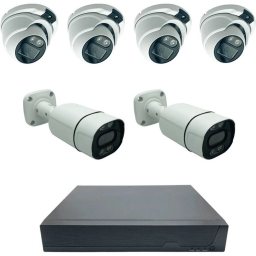
In analog and traditional cameras, the CCTV is connected to a Digital Video Recorder | DVR. The DVR is responsible for receiving, storage and compression of information within a hard drive, so it brings many benefits, as we can see recorded images at any time.
Digital or Network Camera
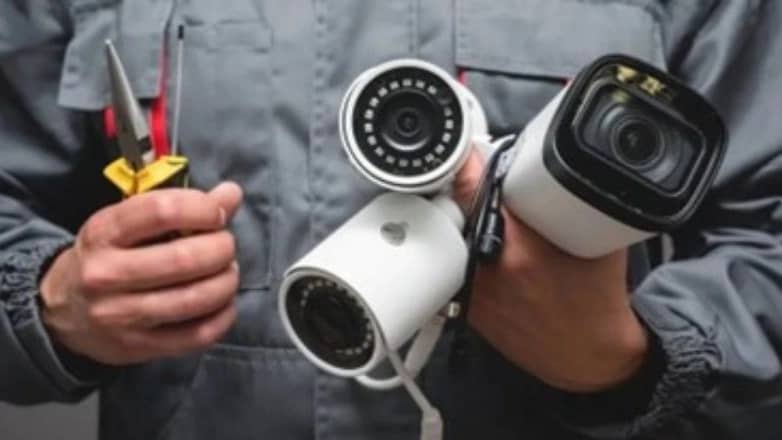
Digital or Internet Protocol | IP is a more modern version of CCTV systems. If you go to digital cameras, you have to pay more for them, but you get more benefits. The overall function of digital cameras is no different from analog cameras, but instead of the DVR, we use Network Video Recorder | NVR. It also performs DVR. On the other hand, we can monitor the images through the Internet, and if the emergency conditions are set out, we will receive its notification via smartphone.
CCTV applications
Old CCTVs not only had low resolution and recorded black and white images, but also interactive without any interactive capability. But modern cameras record high color and high resolution images, and in more advanced models you can expect additional features such as zoom on the image or monitoring of objects and people through a variety of sensors. We also have cameras called Talk CCTV that allow the observer to talk to people near the camera. Among the common applications of CCTV
CCTV
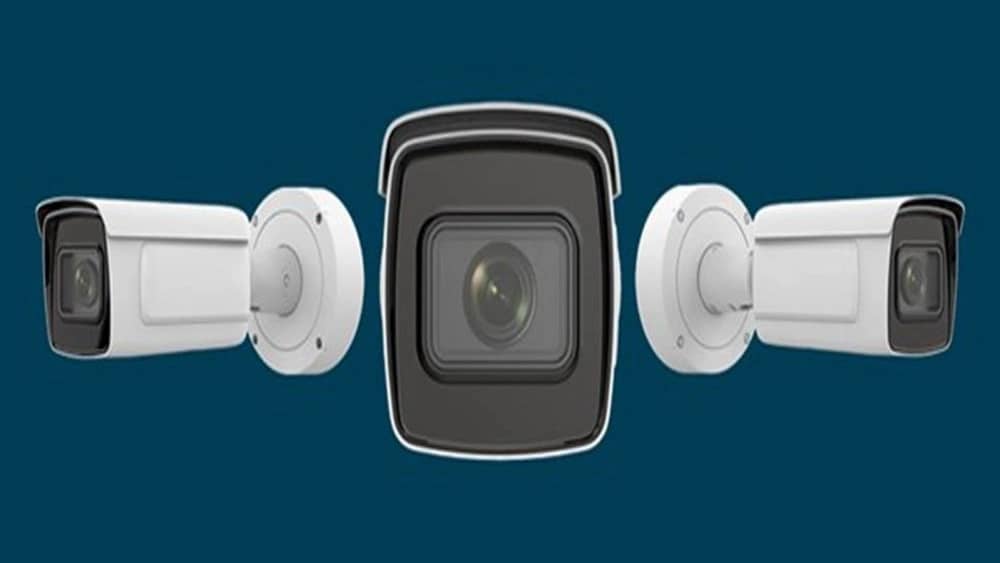
Camera: The lens and the camera can be described as the eyes of video surveillance systems. These cameras are manufactured in a variety of dimensions and shapes, for example, livestock cameras, bolt cameras and PTZ cameras that have moving components and zoom in on the images (you will be introduced to these cameras and other masses).
Monitor: The display or monitor is responsible for displaying the camera recorded images. These images can be seen both live and at another time. Of course, you will not necessarily need traditional monitors to work with modern CCTVs, and mobile phones and tablets can play the role of the display.
Recorder or Register: The registler system plays a memory role in your security camera. Whether you have NVR or DVR, all recorded videos are stored in a physical hard drive or cloud. This way you will have access to a large archive of images and you can review them if needed. Cables: Cables or wires are used to connect the recording system to the monitor. These cables provide both video signals and electricity. In analog systems, coaxial cables are used, and in digital systems, Ethernet cables should also be used. Meanwhile, some digital cameras help WiFi to transmit wireless images, but they will still need power supply cables. Power Supply: Power supplies are systems that bring electricity to the camera and other components of the system. The power supply can be both a separate adapter for each camera and a central box for power distribution that supplies the energy needed by multiple cameras at the same time.
How does the CCTV work?
is a CCTV system consisting of recorder devices, power supply, hard drive, cable and cameras.
The image signals are received from the camera and transferred to the recorder via cable or wireless waves. The recorder performs the compression and storage of images on the hard drive.
In what locations is the CCTV used?
in shopping malls Shops Museums and historical areas Homes Many offices and companies Factories Trade lines and production Warehouses Public places such as stations, bus and subway Inside the car Conference halls or lounges Roads and highways Restaurants and coffee shops Hospitals Hotels Schools