
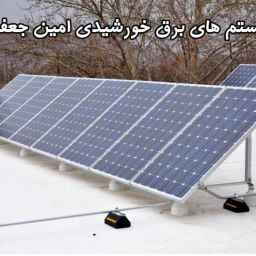



The sun is a huge natural nuclear reactor in which the material is converted to nuclear energy by nuclear boiling, and 1.5 million tonnes of mass per second converts to energy. Solar power is produced from sunlight to solar cells embedded in solar panels.
A solar panel for power generation uses a phenomenon called photovoltaic effect. This phenomenon suggests that there are special materials that, when exposed to light, cause an electric current into their orbit. In this article, we examine the structure of solar power systems in four modes.
Self -reliance, separate or independent of the network
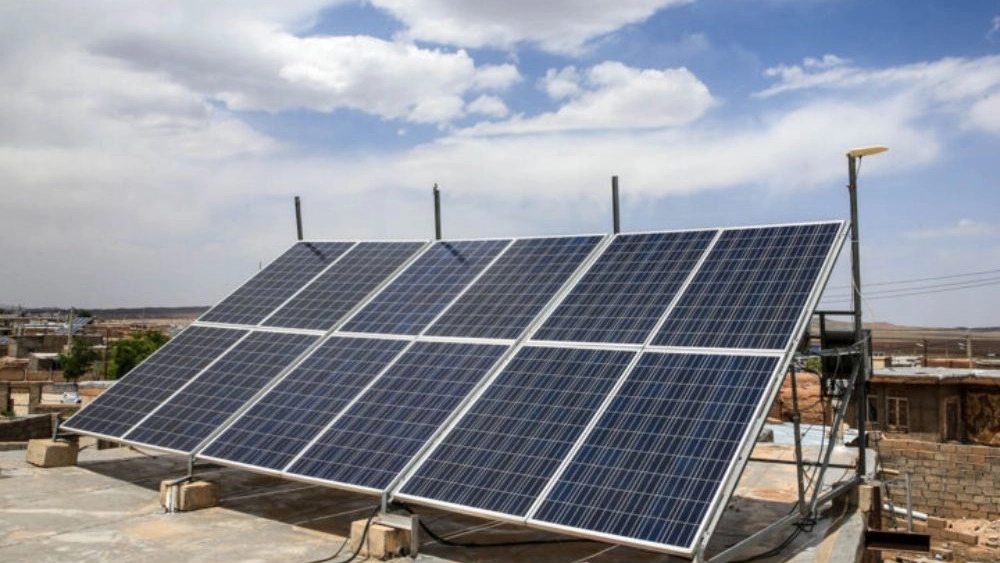
This system is the most popular way of designing and installing solar power systems. In principle, photovoltaic cells have been designed and presented for this purpose; Production of electricity where no other replacement source is available. Regardless of how the production power of such solar power systems can be used (providing lighting of a shelter or storage, launching a pocket calculator or supplying a full home), the overall performance of all of them That is, the panel with solar panels generates electrical power and, in order to store electrical energy, make it rechargeable to one or more batteries to arbitrarily when necessary. Be used.
Almost any user can somehow benefit from the benefits of this system and, at least, use the energy generated, in a conventional and advanced application such as lighting. If you are considering implementing a larger and more detailed design, it is still the best step to start, assemble and install a small, compact solar system independent of the network to gradually be able to design and gradually be able to design and be able Installed larger systems.
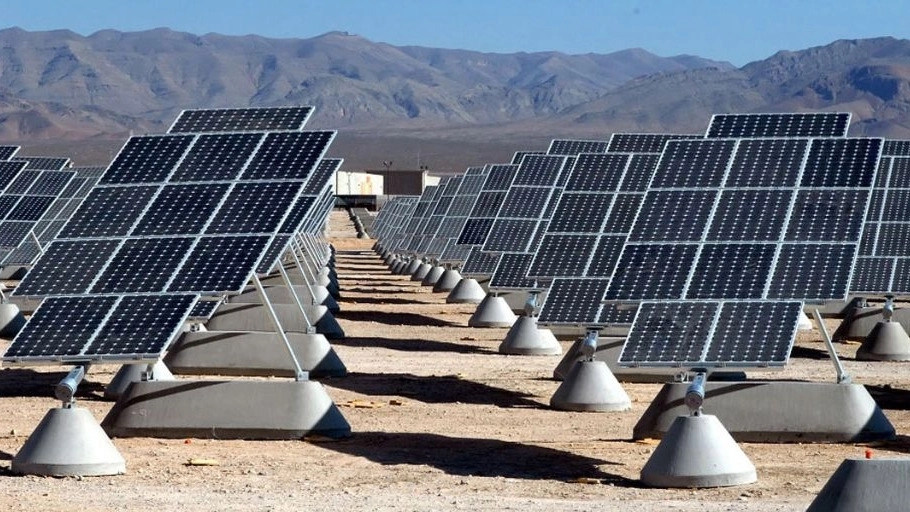
Photovoltaic systems connected to the global power grid
This way of utilizing solar power systems is very popular in Europe and the United States. Perhaps the reason for the incentives and exemptions that some government agencies consider to the installers of these systems, and consequently, the cost of the initial installation has been reduced, and despite the facilities that make the sale of surplus electricity to the local electricity grid. Make a significant portion of the initial costs to the owner of the system.
In such a system, during the day and when the sunlight continues, the panels produce electricity that the owner The system, in addition to its domestic use, is also allowed to sell its surplus consumption to local electricity companies.
In this case, with the arrival of sunset and continuing, in the early hours of the night, and especially The lighting goes up, the user re -purchase the electricity needed from the city's electricity network.
One of the drawbacks of many network connected systems is that in the event of a power outage in the dark of air and lack Sunlight, your electricity is also cut off.
The advantage of this method is to reduce your dependence on the network's electricity and can claim that much of your electricity consumed in conditions where nothing The species of environmental pollution has not been produced.
The performance of such systems in tropical regions and sunny climates is excellent because due to the warm air, the highest demand in the middle hours Day and times Most of the air conditioning systems are active, which is fortunately consistent with the peak hours of the panel power generation. These systems are also very suitable in cases where the owner delivers much of the power generated to domestic consumption.
The benefits of a photocaeic system connected to the network
The network -connected photovoltaic systems are used to strengthen the global electricity grid and prevent electrical pressure on the day -to -day power plants. These types of systems are executed and operated even in small units of about 1 to 2 kW on the roof of residential buildings or larger units in the mode of photovoltaic power plants.
Easy to install
High efficiency and no need for complex accessories
No need for battery to store electrical energy
Function of Photovoltaic Systems connected to the global power grid
Power generation in the network connected to the network is simultaneously and parallel to the global power grid. One of the main components of this system is the power inverter or electronic converter, which converts the DC power generated by photovoltaic panels to the voltage and frequency to AC. It also automatically cut power transmission in no need.
In fact, there is a two -way connection between the photovoltaic systems and the city's global power grid. That is, if the DC generated by the solar system is more than the load consumed on the site, the addition of the generation is injected into the global electricity grid and at night or when it is not possible to use sunlight, the required electric charge from the location required The global grid electricity is supplied and supplied.
One of the advantages of this system is that if the Solar system needs to be removed due to repairs, the electricity required by the global power grid will supply the power grid. Become.
Emergency Systems Replacement Network
With a slight change, the previous system, the connected and network -based sample, can be considered as a replacement of a network of emergency in the case of the city's power grid. In this case, and as soon as the city's national electricity grid is cut off, the electricity generated will enter home domestic circuits and prevent interruption of consumption. In fact, the system in question is a storage power supply that enters the circuit as soon as the power outage and uses solar energy to offset the lack of electricity in the city.
The advantage of this system is that by cutting off. The city's electricity is not interrupted in ordinary use, and its objection is that in the normal case and in the state of electricity, the city's power is not used and the day -to -day power is used.