
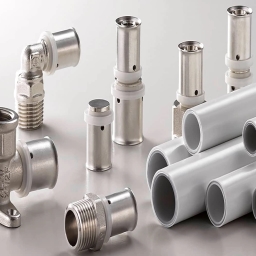

In all pipelines and pipeline systems, it is a matter of changing the size of the lines, connecting pipes to each other, taking the core of the pipeline, and even blocking the flow path from issues that require equipment called fittings.
By applying these connections in the pipeline systems, it will be possible to create any change in size and change direction in the pipe path. There are various connections to make these changes in the pipelines. These joints include threaded joints, welding joints, and compressive joints (tube).
welding joints are a type of joints used to connect to the pipelines using welding methods. The edge of these connections is coniced. This is because the two connectors, whose ends are coniced, after the connection between the edges of the pitch will create a gap that will fill the gap after the welding and create a secure and solid connection. .
This equipment is manufactured in one hand with different alloys. These connections must be in accordance with the standards and materials in accordance with the pipes or equipment that are welded.
welding joints are made in two seamless and seamless ways. The type of sealant is suitable for building plumbing systems or generally low -pressure pipelines. But the type of seamless or manisan is for industrial applications and high temperature and pressure conditions such as refineries, petrochemicals.
Types of welding joints
Submerged Arc Welding
- Application: Usually in large and industrial projects.
- Benefits: High welding quality and reduced pollution.
Arc Welding Welding Fittings
- Application: In General Industries and Workshops.
- Benefits: Flexibility and Ease of Running.
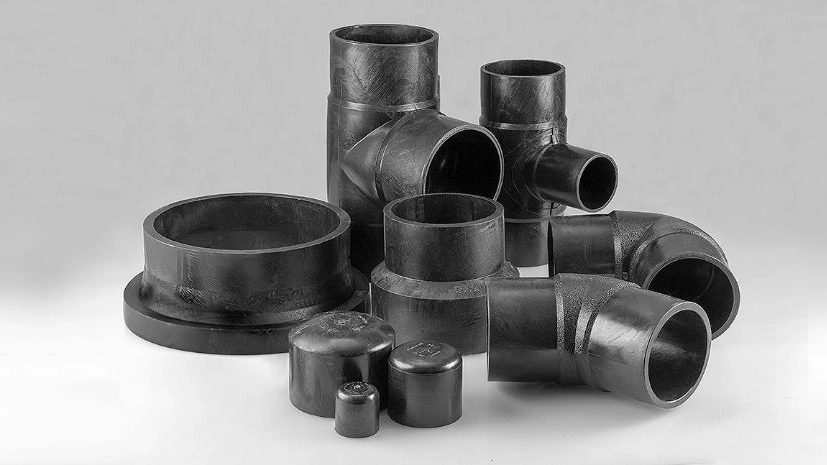
Electophoid welding joints (Electrofusion)
- Application: To connect polyethylene and polypropylene pipes.
- Benefits: Easy and easy welding.
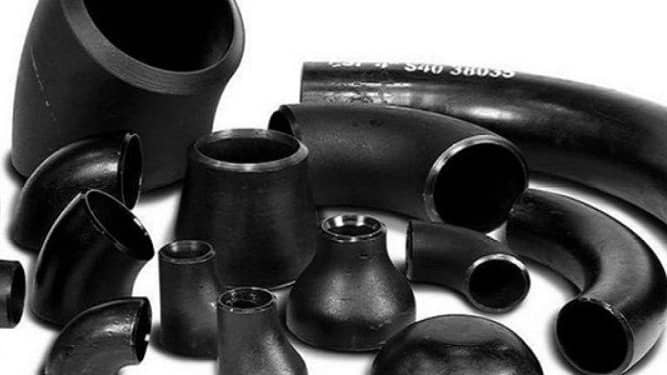
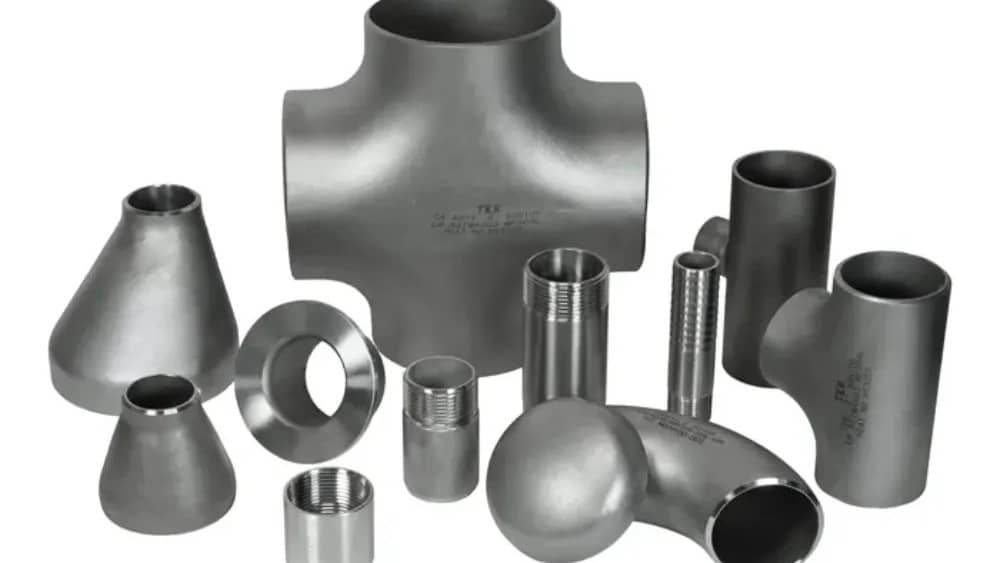
Steel welding fittings
steel welding joints are commonly used for steel pipes and are used in various industries due to their high strength and resistance to pressure and temperature.
Types of steel welding fittings:
- Reducer: Used to change the diameter of the pipe.
- Knee (Elbow): To change the direction of the pipes.
- Tee (Tee): To connect the three pipes to each other.
Flange: To connect the pipes in a plate and detachable.
Gas welding fittings
These connections are specifically designed for gas systems and must meet specific standards to have high safety and efficiency. Be.
Types of gas welding fittings:
- Knee Gas: Similar to steel knee, but with more safety standards.
- Gas conversion: to connect Pipes with different diameter.
- Lions and gas keys: to control gas flow.
Standards of welding fittings
Making welding joints for low -pressure services based on ASME B16.9 standard and for high pressure services according to ASME B16.31. In these standards, all angles and dimensions include the diameter and thickness of the joints.
Also all relevant standards with the ASTM materials are also set and coded, which with carbon steel and stainless steel and alloy steel materials and alloy steel. Based on the following material standards:
A403: For stainless steel
a234 welding fittings: For carbon stainless steel and alloy steel fittings
A234 WPB: For carbon steel and alloy steel with high temperature tolerance
A420: for carbon steel and alloy steel with low temperature tolerance
Benefits of welding connections
welding joints are safer and have more strength than other joints because they are attached through welding.
fluid leakage is very low. Also, these connections do not require short -term periodic services.
because these connections use less material than flange connection, this connection is more affordable.
Installation of this connection is easy and the material used is high quality and high quality.
Shipping in these connections is easy. From the other The connections are.
The welding joints are connected to each other in the form of welding two pipes or a pipe with a variety of joints. The benefits of using welding connections include: lack of leakage, minimal pressure drop, cheap, and so on. The use of these welding joints can also be mentioned: Food, Beverage, Pharmaceutical Industries, Fire System, Energy Industries, etc.