
Tile is one of the oldest architectural arts in Iran that has been used in the interior and exterior of buildings from the past. This art has a special place in various cities of Iran, including Karaj. Rapid growth of construction in Karaj has increased demand for modern and traditional tiles. This article examines the importance of tiling in Karaj, types of tiles, implementation steps and important points in its selection and maintenance.
Types of tiles
Tiles are categorized by gender, application and various designs. In Karaj, the most common types of tile include:
On the basis of sex and raw materials
Ceramic tile:
The most widely used type of tile that is used in interiors such as the kitchen and bath due to its high strength and water and heat resistance.
Porcelain Tile:
with very low water absorption and high resistance to pressure and wear, which is suitable for high spaces such as the exterior of the buildings.
Glass tile:
is mostly used for decorative and fantasy designs on interior walls such as pools and modern baths.
Tile Tile:
This type of tile is mostly used in traditional architecture and interior decoration and has a classic look.
Based on application
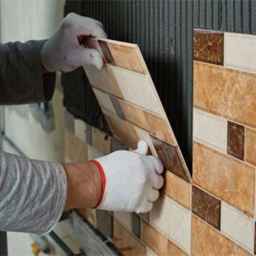
1. Wall Tile: This type of tile is less thick and is used to cover the interior walls of the building.
2. Floor Tile: Higher and Surface Strength It is antifungal, which is suitable for use on the floor of residential and commercial buildings.
Tile: is used in the facades of Karaj buildings, especially in high -quality and cold areas, because Resistant to different climate conditions.
4. Pool Tile: This type of waterproof tile is used in modern pools and saunas.
Tile implementation steps
Implementation of tile requires high accuracy and skill. In Karaj, experts in this field follow the following steps to perform tiles:
1. Level preparation
Before starting the tile, the surface should be smooth, clean and free of any dust or moisture. The surface should be repaired if there is a crack or inappropriate.
2. Determine the installation pattern
Depending on the design and type of tile, the design is first arranged on the specified surface and the tiles are arranged in a specific order. This step helps to increase accuracy in installation.
1. Adhesion or mortar.
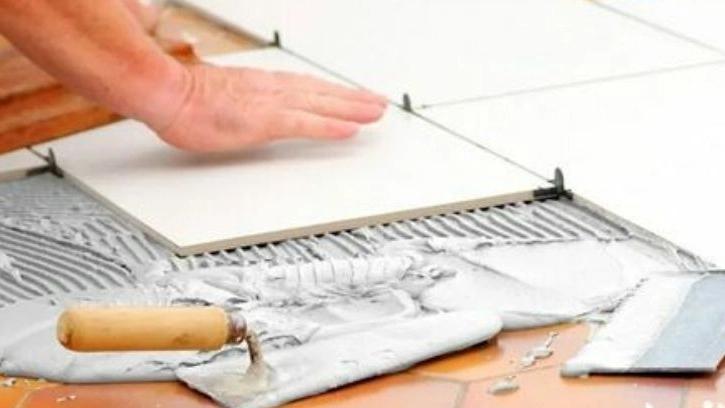
Depending on the type of tile and the lower surface, cement mortar or special adhesive is used to glue the tiles. In modern Karaj buildings, tile glue is more commonly used because it makes the installation process faster and cleaner.
1. Installation of tiles
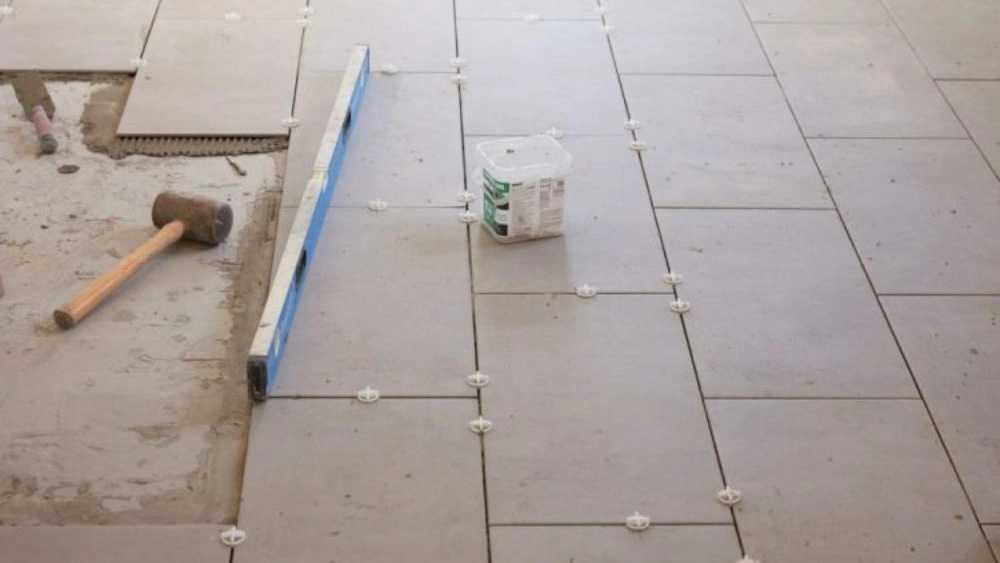
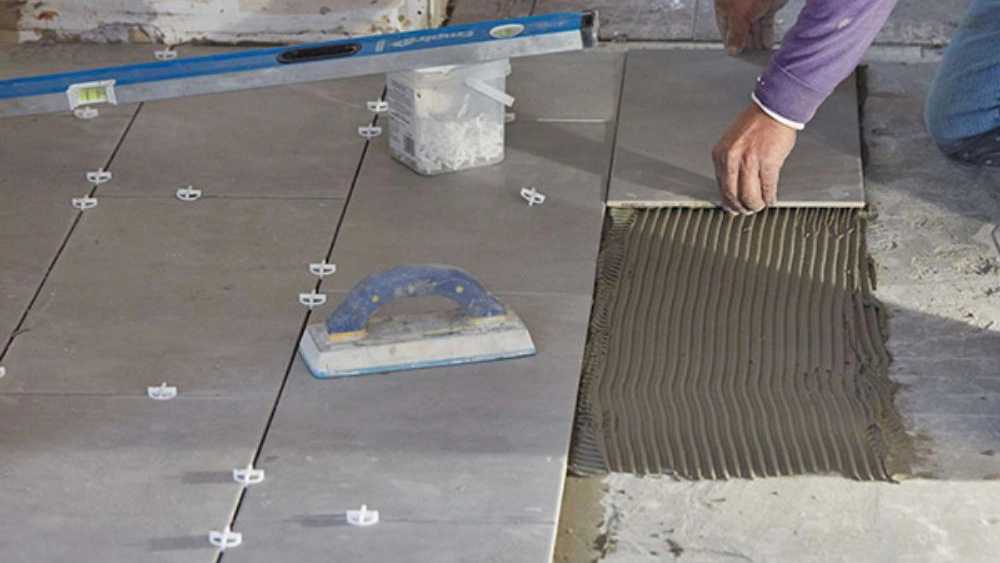
The tiles are accurately attached to the surface and the distance between them is adjusted to the special tool. Using the balance is essential to prevent roughness.
1. Band
After drying the adhesive or mortar, the intervals between the tiles are filled with slurry or special mortar. This in addition to beauty prevents water and dust from penetrating.
1. Cleaning and final payment
Finally, the surface of the tiles is cleaned with a wet cloth and final sealing to increase the shelf life of the tiles.