

Concept
Elastic ceilings and virtual sky ceilings are the two popular design concepts that have attracted backgrounds in recent years. Both offer unique benefits and can enhance the aesthetic charm of any space. However, they are different in their design, efficiency and overall impact. In this article, we will examine the differences between elastic ceilings and virtual sky ceilings and help you decide which option may be the best for your specific project.
What is the elastic ceiling?
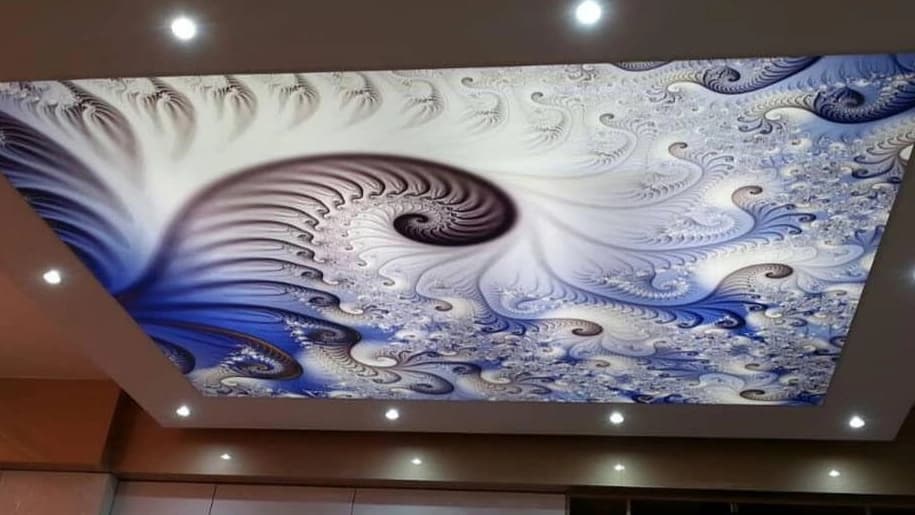
elastic roof, also known as an elastic ceiling, is a type of architectural characteristic that uses a thin, flexible membrane that is drawn on a support framework or structure. It is typically made of high strength polyester fabric, which is covered with a specific polymer and can be customized to suit any shape and size of the space. One of the biggest benefits of elastic ceilings is their versatility. They can be used in different settings, from homes and offices to retail spaces and public places. In addition, they offer glossy and modern aesthetics that can enhance the overall appearance and feeling of any space.
What is the ceiling of the virtual sky?
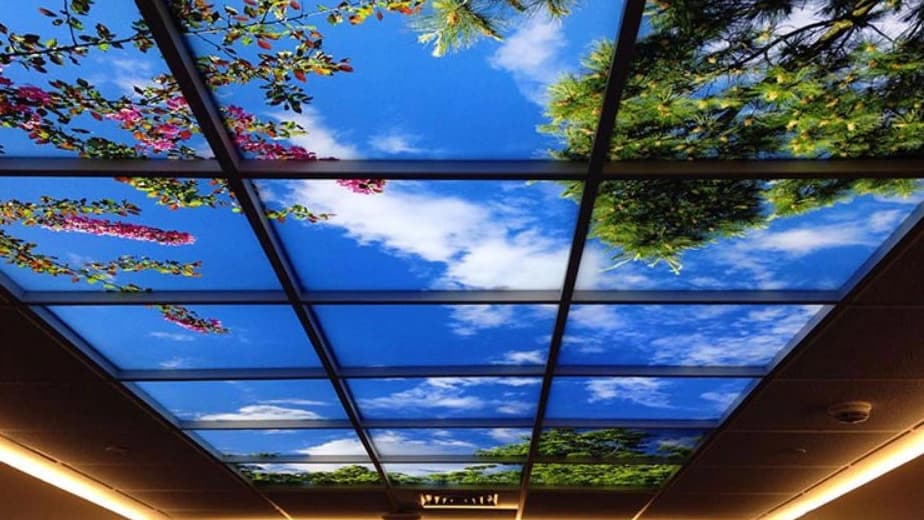
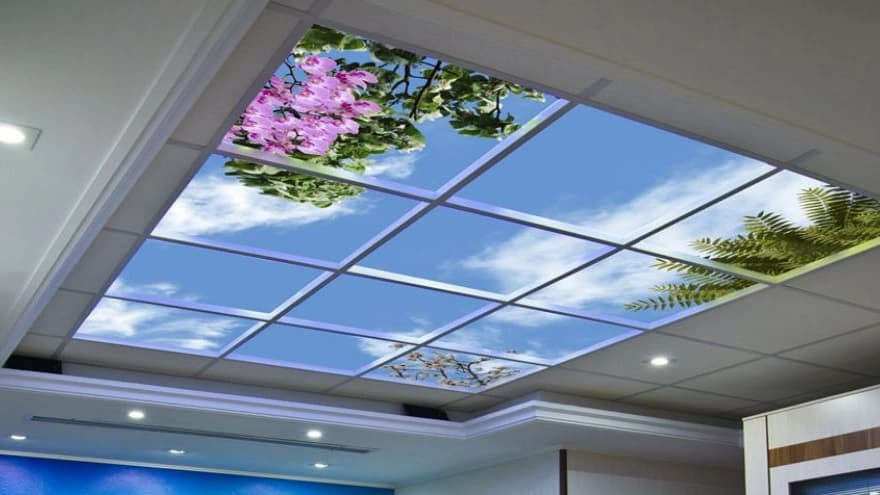
On the other hand, the virtual sky ceiling is an advanced design feature that uses advanced lighting technology to create the illusion of a sky or natural environment indoors. These systems are typically consisting of a set of LED lights that are programmed to imitate the color and intensity of different types of natural light, such as sunrise, sunset or even northern lights. Virtual sky ceilings are often used in commercial spaces such as hotels, restaurants and retail stores because they offer a unique and immersive experience to customers. They can also be used in residential settings, especially in homes with large windows or lights that do not provide sufficient natural light.
The difference between the elastic ceiling and the virtual sky
Difference of elastic roof and virtual sky in terms of installation
When it comes to installation, elastic ceilings and virtual sky ceilings have different needs. The difference between the elastic ceiling and the virtual sky in installation is that the elastic ceilings first need a frame for installation that can be time -consuming. The membrane is then stretched over the frame and warmed to create a smooth, smooth surface. The whole process can take a few days and require a skilled installation team to ensure proper installation. On the other hand, virtual sky ceilings are easier to install and require less time and delivery. A professional lighting technician can install LED panels and plan the effects of lighting within a few hours. However, it is important to note that the virtual ceilings of the sky may need additional support structures to ensure proper installation and support for LED panels.