
Introduction to disposable containers and the importance of choosing the right
Today, disposable containers have become one of the most popular choices among consumers due to ease of use and reasonable price. With the expansion of these products in parties, events, restaurants and even in home use, the right choice of disposable containers has become more important. Unfortunately, many consumers do not pay enough attention to the quality and type of raw materials, which can lead to health and environmental problems. This article attempts to provide comprehensive guidance for choosing appropriate disposable containers.
Types of disposable containers available in the market
Disposable containers comprise a wide range of products that are each designed for specific use. The most common types of disposable containers are:
Important Features to Choose Suitable Disclosure
Consumers should consider the following features when buying disposable containers:
Choosing the right containers according to these criteria not only guarantees the health of consumers but also reduces the negative environmental effects.
Investigating disposable containers' raw materials
Disposable raw materials play an important role in their quality. The most common raw materials used in the production of these products include:
Polypropylene: One of the most widely used raw materials used in the production of plastic containers due to its high resistance and reasonable price.
polystyrene: suitable for producing foam containers but high contact with hot foods. Corn starch is a great option for reducing environmental damage.
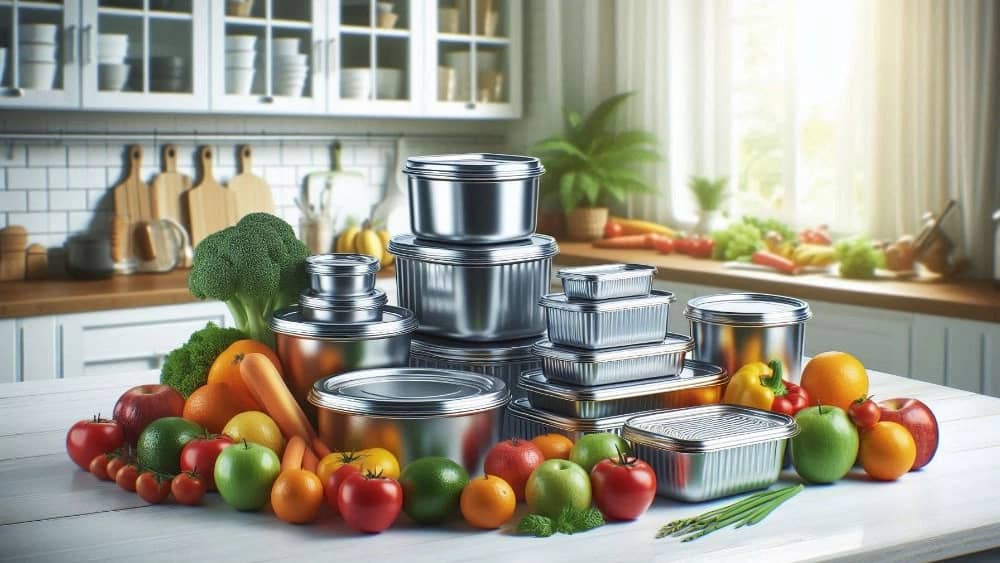
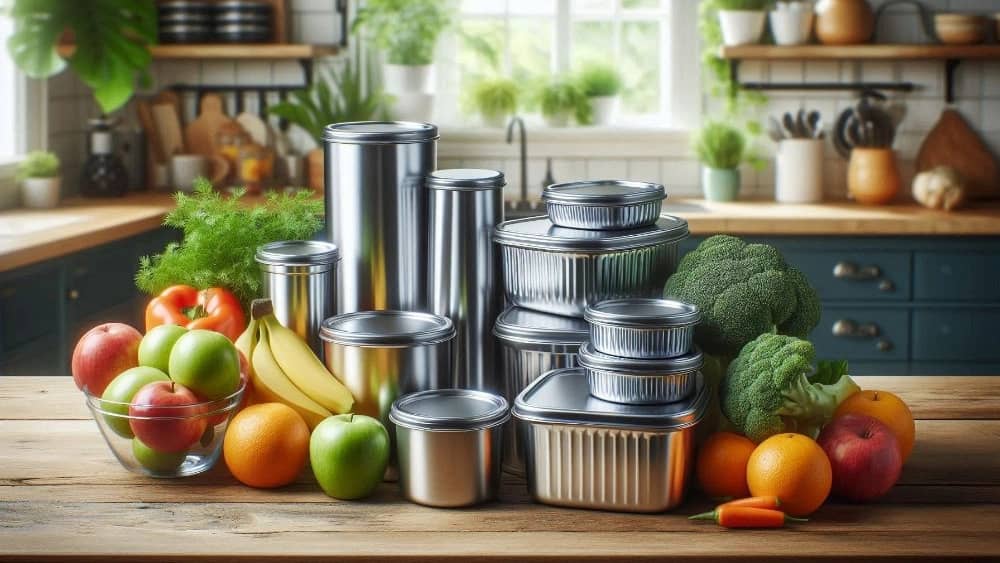
Aluminum: High thermal resistance and extensive use in the hot food packaging industry.
Hygienic tips in using disposable containers
Disposable containers must meet the necessary standards due to direct contact with food. Consumers should consider the following:
- Disposable containers at high temperatures (such as microwaves) can only be used in accordance with the manufacturer's instructions.
- Invalid foam or plastic containers may be released in contact with hot foods.
- Examine the production date and standard type of containers to ensure their quality.
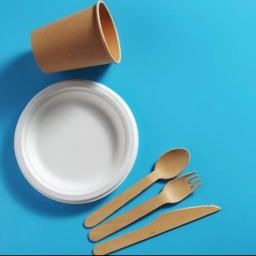
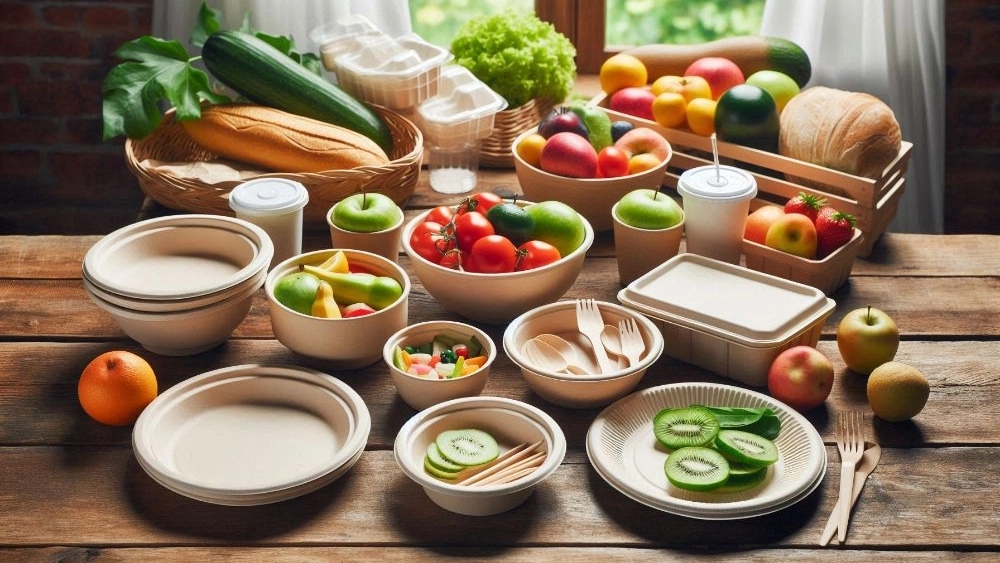
- Herbal containers are a more healthy and more compatible option for environmentalists.
The role of disposable containers in environmental protection
One of the main challenges of using disposable containers is their environmental effects. Due to the late decomposition, plastic containers can cause a lot of damage to the environment. But with the introduction of plant and paper containers into the market, these challenges have declined somewhat. Organizations and consumers should pay more attention to the production and use of recyclable or biomass containers.
Herbal containers can be a good choice for people who are concerned about environmental protection. Recycling plastic and foam containers can also help reduce environmental pollution.