

Introduction
In the modern world of industries, the selection of suitable materials for construction and project implementation is of great importance. Non -metallic channels have found a special place in various industries because of their unique features. These channels are used in the transmission of fluids, cables and more depending on the type of material and design materials. The purpose of this article is to examine the types of non -metallic channels, their applications in industrial projects, and the benefits of their use over metal channels.
Non -metallic canals
Non -metallic channels are divided into different types based on their constituents:
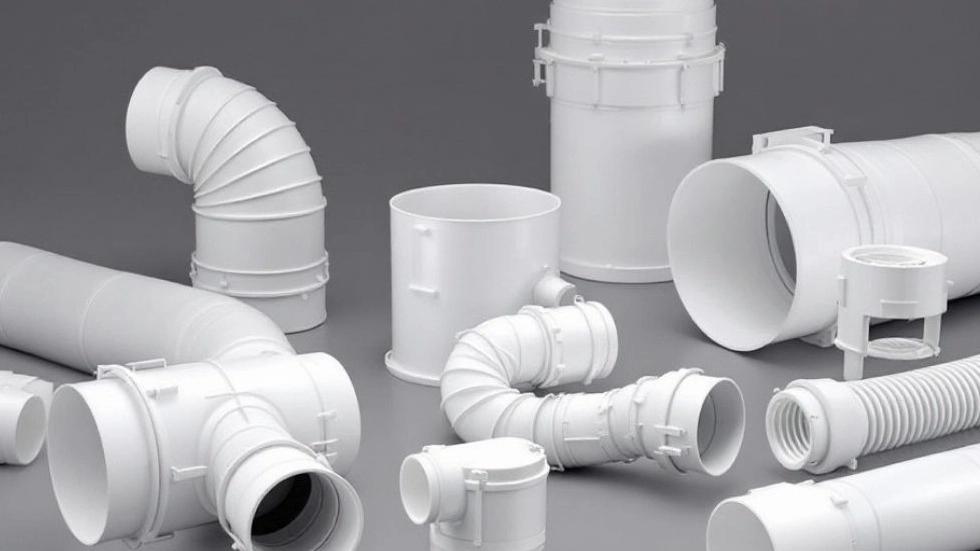
PVC channels (polyvinyl chloride): These types of channels are made of PVC plastic and are used in many projects due to their high corrosion, light and reasonable price resistance. کانالهای PVC در انتقال آب، فاضلاب، مواد شیمیایی و کابلهای برق کاربرد دارند.
CPVC channels (chlorine polyvinyl chloride): These channels are a type of PVC produced by the chlorination process. The CPVC is more resistant to heat and chemicals than PVC and can be used at higher temperatures and more corrosive environments.
FRP (fiber reinforced polymer): These channels are made of combination of polymer resins and reinforcing fibers such as glass or carbon. FRP has high strength, low weight and excellent corrosion resistance. These canals are used in the oil and gas, petrochemical, water and wastewater treatment and construction industries.
Polyethylene (PE) channels: These channels are made of polyethylene and are used in water, gas and wastewater transfer due to their high flexibility, impact resistance and chemicals. Polyethylene channels are produced in a variety of types such as HDPE (high -density polyethylene) and LDPE (low -density polyethylene).
Concrete canals: Concrete canals are made of cement, sand, sand and water and are used in infrastructure projects such as water, sewage and drainage due to their high strength, durability and reasonable price. Polypropylene (PP) channels: PP channels are used in various industries, including food and pharmaceutical industries, due to their high chemical resistance, recycling and heat resistance.
Applications of non -metallic canals in industrial projects
Non -metallic channels are used in various industrial projects. Some of these applications are: Water and Wastewater Transfer: PVC, CPVC, Polyethylene and Concrete canals are widely used in municipal and industrial water and wastewater transfer systems. Chemical Transmission: PVC, CPVC, FRP and polypropylene channels are used in chemical, petrochemical and pharmaceutical industries for the transfer of acids, bases, solvents and other chemicals due to their high resistance to corrosive chemicals. Transfer of Power and Telecommunication Cables: PVC and FRP channels are used to protect and organize power and telecommunications cables in buildings, factories and urban infrastructure.
Air Conditioning Systems: FRP and PVC channels are used in air conditioning systems for air transmission. Oil and Gas Industries: FRP channels are used in the oil and gas industries for oil, gas, saline and other fluids due to their high resistance to corrosion and chemicals. Water and Wastewater Treatment: FRP and PVC canals are used in water and wastewater treatment plants for water and sewage transfer and processing. Construction: PVC and FRP channels are used in buildings for water, sewage, power cables and other installations.
The benefits of using non -metallic channels
The use of non -metallic channels in industrial projects has many advantages over metal channels: Corrosion Resistance: Non -metallic channels are resistant to corrosion caused by moisture, chemicals and environmental conditions. This feature increases life expectancy and reduces maintenance costs. Low Weight: Non -metallic channels are less weight than metal canals, which makes it easy to transport, install and reduce workforce costs.
Electric insulation: Non -metallic channels are electrical insulation and prevent the risk of electric shock. Flexibility: Some non -metallic channels, such as polyethylene channels, are flexible and can be used in rough terrain and when needed to bend and redirect. Proper cost: Non -metallic channels are in many cases less cost than metal canals. Easy installation: Installation of non -metallic channels is usually easier and faster than metal channels.
Tips on selecting, installing and maintaining non -metallic channels
Selection: When selecting a non -metallic channel, the type of fluid or material to be transferred should be taken into account, the temperature and work pressure, the environmental conditions and the relevant standards. Installation: Installation of non -metallic channels must be done in accordance with the manufacturing instructions using appropriate tools and equipment. Maintenance: Non -metallic channels should be periodically reviewed and repaired if needed. Also, channels should be prevented from contact with incompatible chemicals and severe impacts.
Non -metallic channels are widely used in industrial projects because of their many benefits. Choosing the right channel type, proper installation and periodic maintenance can extend the useful life and efficiency of these channels. Given the advances in the production of non -metallic materials, it is expected to increase the use of these channels in the future.