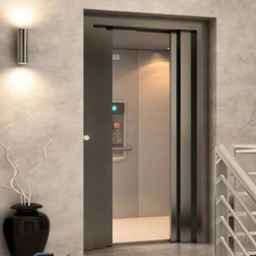




Introduction
What are smart lifts?
Key features of smart lifts
Benefits of smart lifts
2. Reduce energy costs
Smart elevators, using low -powered systems and energy management technologies, reduce power consumption and minimize building electricity costs.
3. Increased security
Sensors and advanced surveillance systems in smart elevators increase users' security and prevent accident.
4. Better User Experience
Users can use features such as touch screens, audio systems, and easy access to settings that improve the user experience.
5. Increase the useful life of equipment
Intelligent Troubleshooting and Preventive Maintenance Extends equipment life and reduces repair costs.
6. Optimal traffic management For high -traffic buildings, smart elevators with targeted traffic management reduces congestion and increase productivity.
Application of smart elevators in buildings
Smart elevators are used for various buildings in buildings:
1. Commercial buildings
In office and commercial buildings that host a large number of people daily, optimal traffic management and waiting time are important. Smart elevators with the destination control system and multiple path management capabilities are the best option at the same time.
2. Luxury residential buildings
In modern and luxurious residential buildings, features such as advanced user experience, high security, and energy saving are the most important criteria for choosing smart elevators.
3. Hospitals and medical centers
In medical centers, the speed and timely delivery of people (such as patients and medical staff) to the target classes is very important. Smart elevators with the ability to accurately manage the displacement meet the needs of these centers.
4. Shopping malls and public buildings Traffic management in buildings such as shopping malls or high -speed train stations is very challenging. Smart elevators with simultaneous management of multiple elevators and quick access to different floors are the best solution.
The future of smart lifts
With the ongoing advancement of technology, smart elevators are moving towards more advanced features. In the future, one can expect:
Full integration with Smart Building Management Systems (BMS):
Elevator will be part of the building's smart grid and their performance will be synchronized with other building systems (such as lighting and air conditioning).
advanced artificial intelligence algorithms: Use artificial intelligence algorithms to predict user behavior, better traffic management, and improve security. More Energy Productivity: The use of renewable energies such as solar panels to reduce energy consumption. Customized Designs: Smart elevators will be designed according to the specific needs of users and buildings.
Conclusion
Smart elevators, as the future of vertical transportation, play an important role in improving urban quality and building management. Choosing these advanced systems can bring speed, efficiency, security, and energy productivity to a new level. If you are planning to buy or install a smart elevator for your commercial or residential building, you can use the professional services of Behzai.