
Introduction
The Importance of Workshop Crane in Sirjan
Workshop cranes play a key role in the following: Increasing speed and productivity: Crane can move loads quickly and safely, which results in increased project speed and improved overall productivity. Reducing costs: By reducing the work time and the need for less manpower, the use of cranes can significantly reduce project costs. Increased safety: Cranes minimize the risks of cargo displacement by safely designing and using protective equipment and preventing accidents. Access to Hard Points: Crane can transfer loads to points where access to them, such as highlands or spaces,
Workshop cranes
Workshop cranes are manufactured and supplied in a variety of types, each suitable for specific applications. Some of the most common types of workshop cranes are:
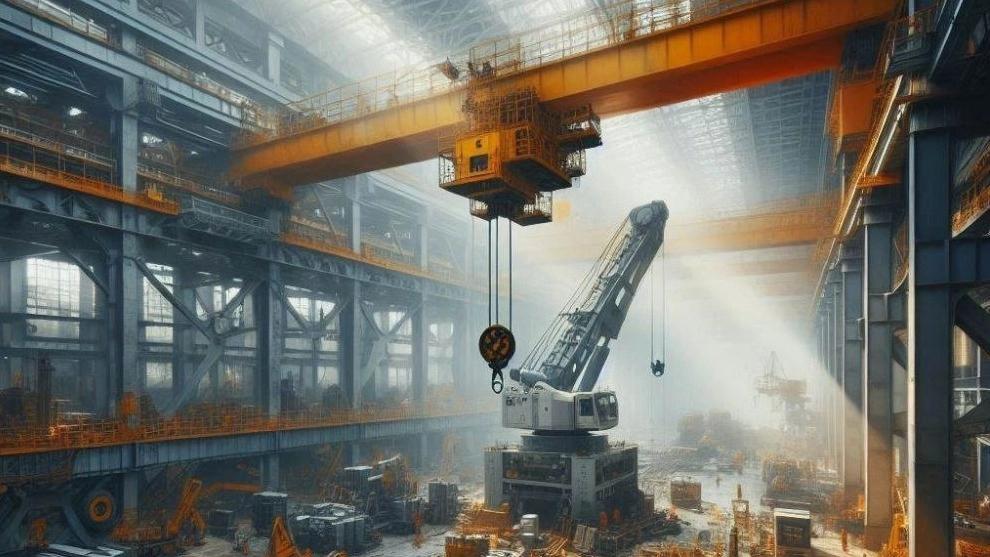
Ceiling crane: These types of cranes are installed on the ceiling of the halls and workshops and are suitable for transportation at all levels of the hall. Ceiling cranes are usually composed of a metal bridge and a lift that moves on the bridge.
Gate crane: This type of crane has a moving bridge on two pedestals. Gate cranes are usually used outdoor or in halls where ceiling cranes are not possible.
Arm Correll: These types of cranes have a moving arm that attaches to a column or wall. Real cranes are suitable for freight transportation within a limited radius and are commonly used in small workshops or to move parts in the production lines.
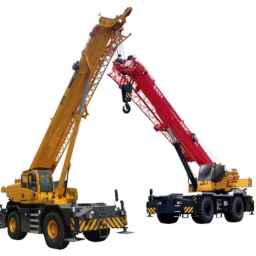
Moving crane: These types of cranes have wheels and can be easily moved to the workplace. Moving cranes are suitable for cargo transportation in industrial and industrial projects that require repeated crane movements.
Chain crane: This type of crane usually operates manually or electrically and uses chains to displace the load and is mainly used in low tonnage.
The benefits and applications of the workshop crane
The use of workshop cranes has many advantages for construction and industrial projects. Some of these benefits are: Increased safety: Cranes reduce the risks of lifting and carrying heavy objects by reducing the need for manual cargo. Improvement of productivity: Crane can move loads quickly and efficiently, which increases productivity and reduces project projects. Reducing costs: By reducing the work time and the need for less manpower, the use of cranes can significantly reduce project costs. Access to difficult points: Crane can move loads to points where access to them, such as highlands or limited spaces. Increased accuracy: Cranes can move loads with high accuracy, which is very important for projects that require high accuracy in moving parts.