
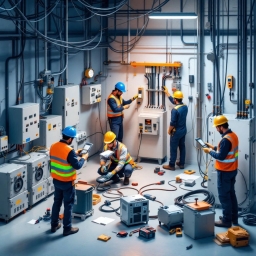

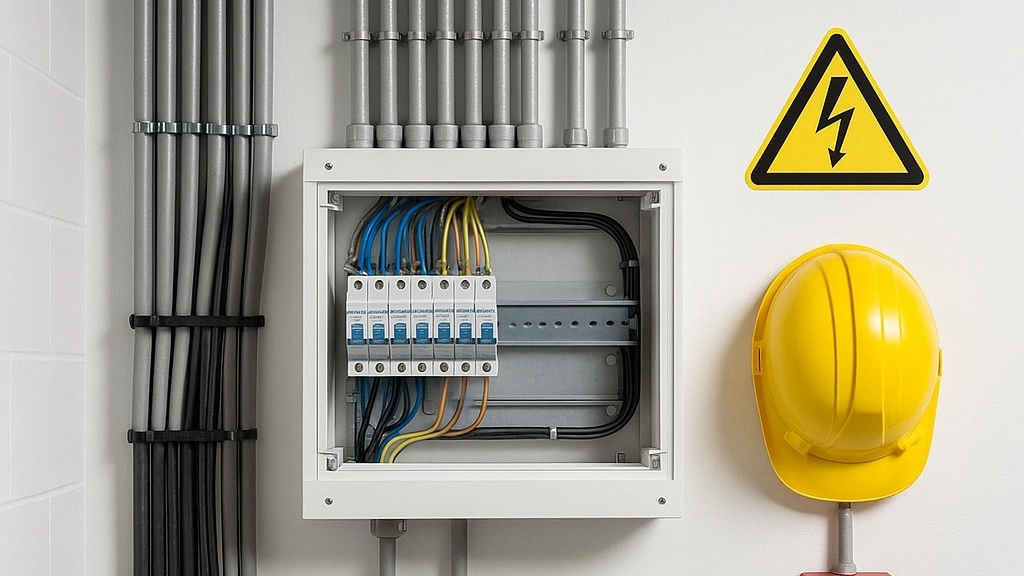
Introduction
The importance of safety of electrical installations in buildings
Testing and delivery steps
In the process of testing and delivery of electrical installations, the role of specialists is very important. This process contains several steps that we will mention below:
1. Determine installation and commissioning standards
Before the final tests, global and national standards, including IEC and NEC standards, must be considered to install electrical installations. These standards guarantee the quality and safety of electrical connections.
2. Initial reviews
At this point, all electrical connections, including cables, electrical panels and protective equipment, are examined to identify and fix possible problems before the system is turned on.
3. Performance tests
These tests are conducted to evaluate the proper performance of electrical systems such as lighting, protective circuits, power currents in the sockets, and the performance of emergency systems.
4. Resistance and insulation
One of the most vital steps is to examine the resistance of the wires and their insulation. These measurements indicate whether the system is capable of tolerating high electrical currents.
5. Final inspections and project delivery
After all tests are performed, a specialized report on the system's status is provided to the owner of the building. In this report, the weaknesses and the need for reform (if any) are identified.
