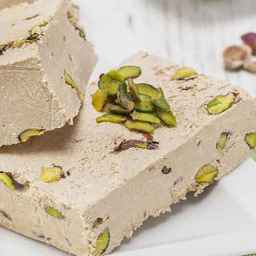

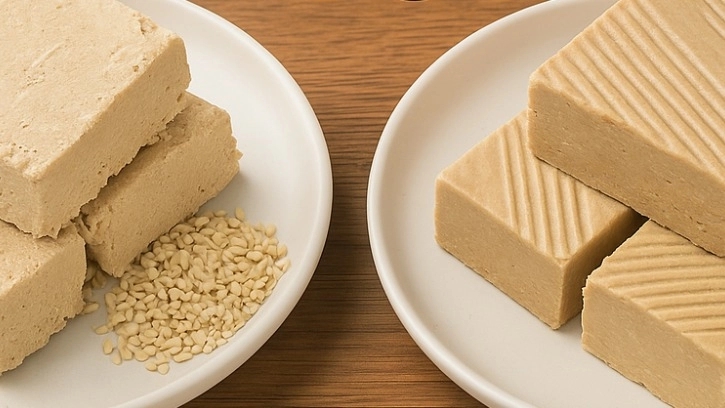
Halva Ardeh is one of the most popular Iranian pastries, but is also known for its nutritional properties. But with the introduction of technology and industry advances, Halva Ardeh is also manufactured in industrial form.
Introducing Halva Ardeh
Halva Arde is a product made from a combination of sesame oil and sugar or honey. This food is widely used in breakfast or snacks because of its delicious and energetic taste.
The principles of preparing halva
To make the halva, they first warm the arde and then add sugar or honey. This compound is well mixed and eventually becomes paste. In some traditional methods, different brains such as walnuts, almonds and hazelnut are added.
The benefits of the home -made halva
Quality and taste
Home -made halva is usually made using fresh and quality raw materials. This type of halva is much richer in terms of taste and aroma than industrial halva.
Raw material control
In the preparation of home -made halva, you can choose the raw materials and make sure their quality. This is especially important for sugar and ardor, because the quality of raw materials has a direct effect on the taste and ultimate properties.
Being healthy
Preparation of halva at home lets you be sure of the health and cleanliness of the environment. You can use hygiene containers and equipment and ensure that there are no additives and preservatives.
Flexibility in the taste
You can add different tastes to your halva according to your taste. For example, you can use natural flavors such as cinnamon or vanilla.
Disadvantages of Halva Homeland
to be time -consuming
The preparation of home -made halva is usually time consuming and requires accuracy and skill. This may be problematic for some people who do not have enough time.
Low value
Usually home -made halva is made in a small amount, and if you want to have more, you should prepare it several times.
The benefits of industrial halva
Major production
One of the biggest benefits of industrial halva is production in large quantities. This makes the product easily available in the market and its price is lower than that of home.
More shelf life
Industrial halva has a higher durability due to the use of preservatives and special processes. This is important for people who tend to use this product for a long time.
Ease of access
Buyers can easily find industrial halva in stores and supermarkets. This allows consumers to access this product effortlessly and spend time.
Disadvantages of Industrial Halva
lower quality
Many industrial manufacturers use lower quality raw materials to reduce costs. This can have a negative impact on the taste and properties of the end product.
existence of additives
Industrial halva may contain additives and preservatives that are harmful to health. This can raise concerns for consumers, especially for people with food allergies.
Nutritional value
Depending on the industrial processes and the use of preservatives, the nutritional value of industrial halva may be less than the home. This can affect the health benefits of this product.
Comparison of quality and taste
Taste
Halva Halva has a more delicious taste for the use of fresh and natural ingredients. In contrast, industrial halva may not have a good flavor due to the use of synthetic and chemicals.
consistency and texture
Halva Halva has a better consistency and has a softer and softer texture than its industrial type. However, industrial halva may have a harder texture due to preservatives and manufacturing methods.
Color
Halva Halva is usually more natural and varied, while industrial halva may be produced in uniform and artificial colors.
Finally, the choice between home and industrial halva depends on the lifestyle and individual needs. High quality home -made halva, its excellent taste and extraordinary properties are a great option for people who care about their health and have enough time to prepare it. On the other hand, the industrial halva is suitable for people who are looking for convenience and quick access to the product, but they must be aware of the quality and materials in it.