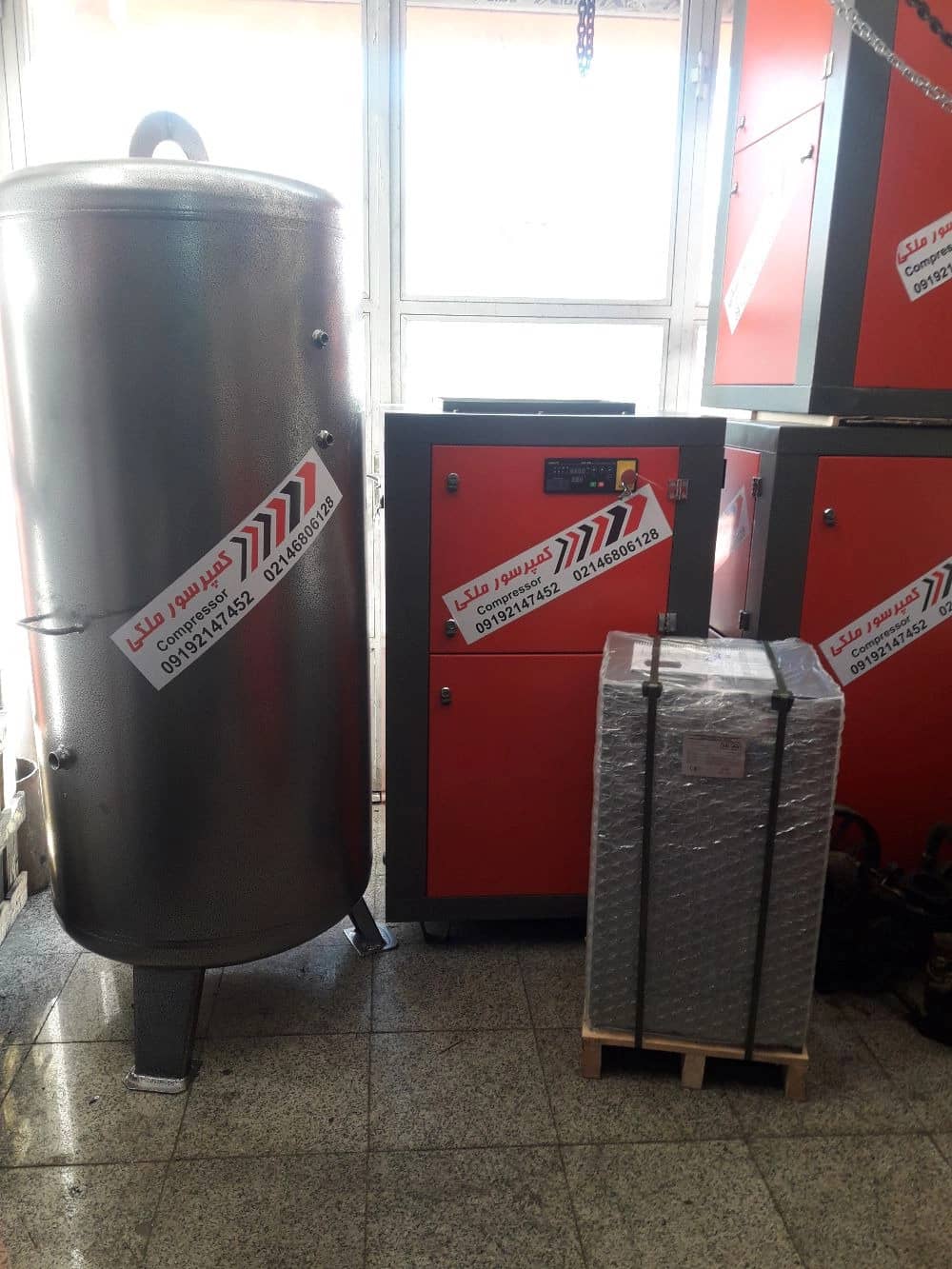

Choosing an industrial quality piston and screw compressor manufacturer in Tehran requires evaluating the quality of the pressure tank construction, the efficiency of the air generator unit (Irand) and the coupling system of the device. For intermittent use and pressures above 10 bar, cast iron piston compressors are effective, and for 24-hour continuous production lines, screw compressors equipped with a continuous lubrication system record higher efficiency. Maleki Compressor, relying on engineering standards and climatic conditions of industrial workshops in Tehran, performs the process of manufacturing and calibrating this equipment based on the flow rate and actual pressure of compressed air.
Selection criteria of piston or screw compressor for industrial use
In deciding between a piston and a screw compressor, the air consumption pattern and the working hours of the production line are the main variables. According to our field evaluations in industrial projects in Tehran, workshops that require continuous air flow with minimal pressure fluctuation, reduce depreciation costs by 40% by implementing the screw system. On the contrary, applications such as lathes, heavy repair industries or plastic injection lines with intermittent air requirements, receive higher efficiency from piston systems.
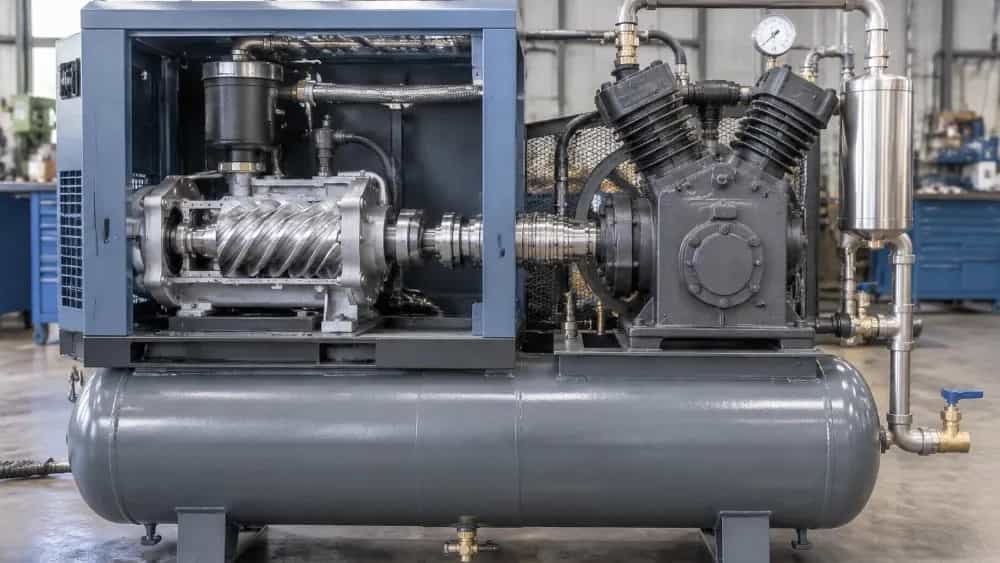
Reciprocating compressors cover higher working pressures at lower flow volumes, while the rotary structure of screw compressors without shock and pressure drop provides the uniform flow required by the petrochemical, pharmaceutical and textile packaging industries. Determining the aeration capacity (in liters per minute or cubic meters per hour) should be calculated based on the maximum power of the connected devices, not the average daily consumption.
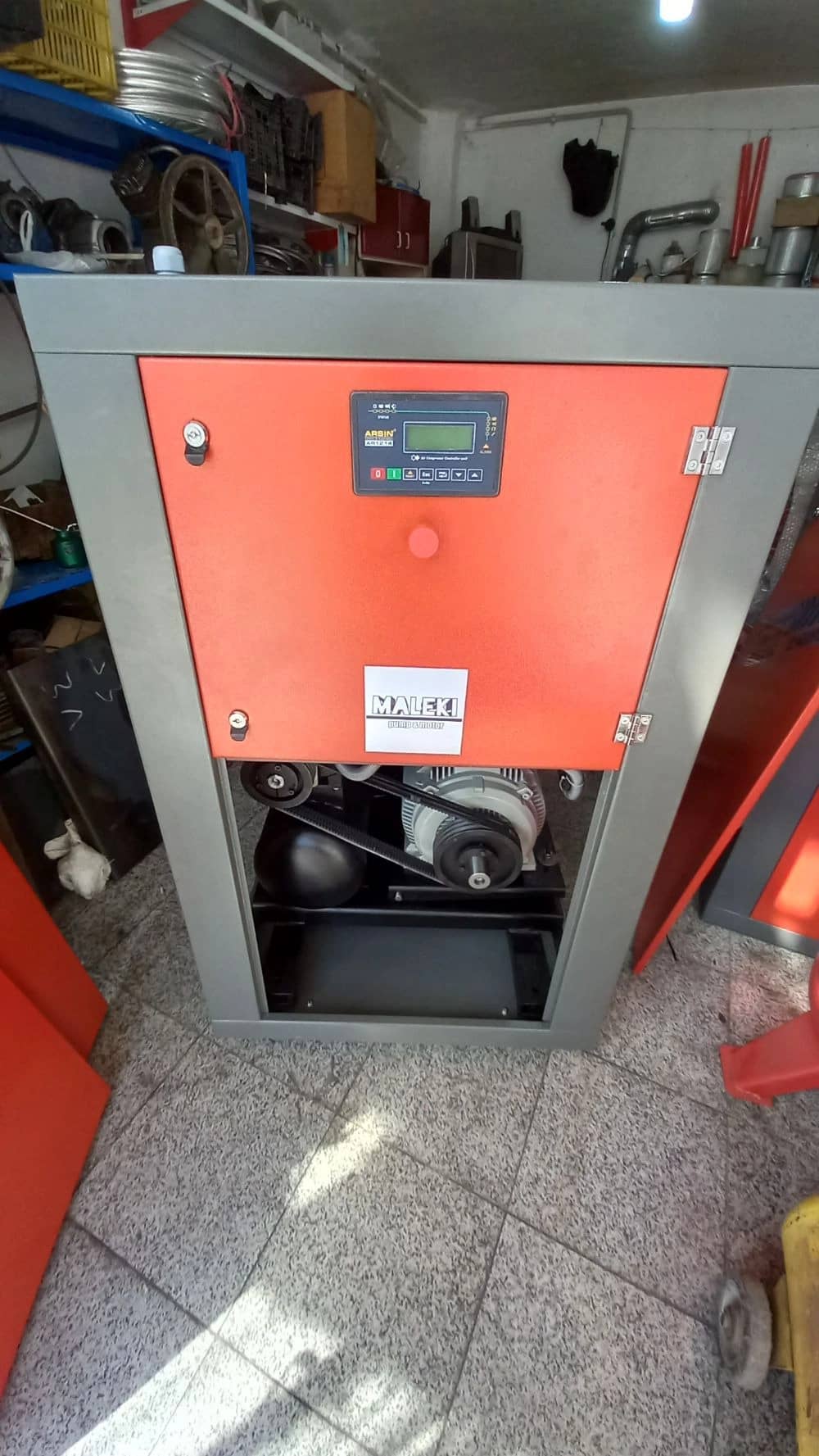
The engineering process of piston compressor manufacturing in Maliki compressor
Production of heavy-duty industrial piston compressor requires compliance with metallurgical standards in cylinder and crankshaft. In practice, it has been observed that the use of aluminum blocks in the industrial environments of Tehran causes early grip of the rims due to the high summer temperature; Therefore, all production units in this collection are made with ductile iron cylinders resistant to high heat.
Design and welding of standard storage tanks
Air storage tanks have the highest operational risk in compressed air systems. In Maliki compressor workshop, sheets are cut with high precision and sub-powder welding is done according to the ASME pressure vessel standard. Before connecting the electric motor and cylinder, each tank is subjected to a hydrostatic test at a pressure of 1.5 times the nominal pressure to fully ensure the resistance of the welding lines.
Vibration control and belt power transmission system
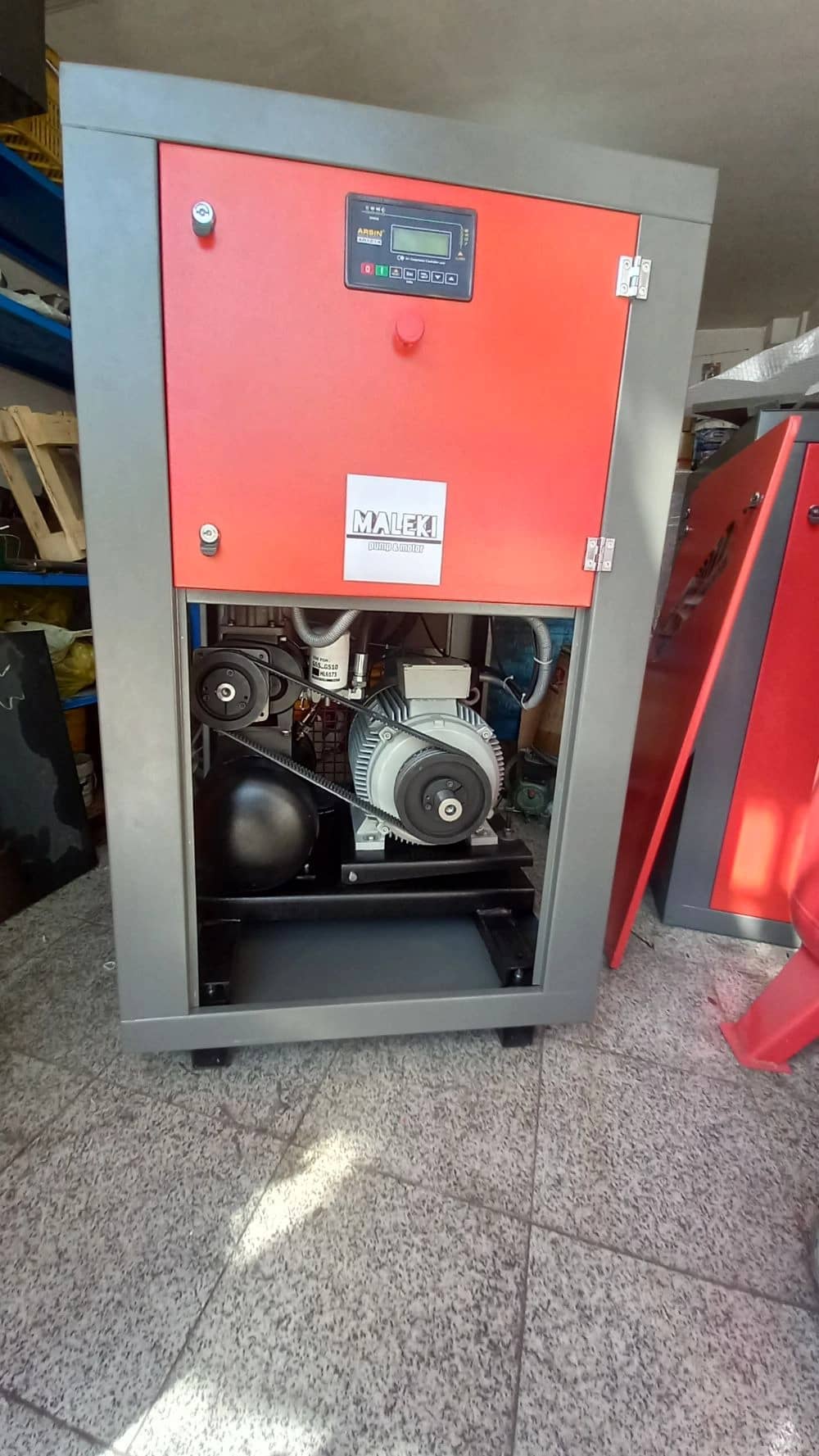
The balance of the connecting rod and the crankshaft and the alignment of the foleys are the main factors to prevent the depreciation of the bearings. We minimize chassis vibration by performing dynamic balancing on the flywheel and engine head pulley. Industrial belts resistant to heat and oil are adjusted in such a way that torque transmission is done without slipping.
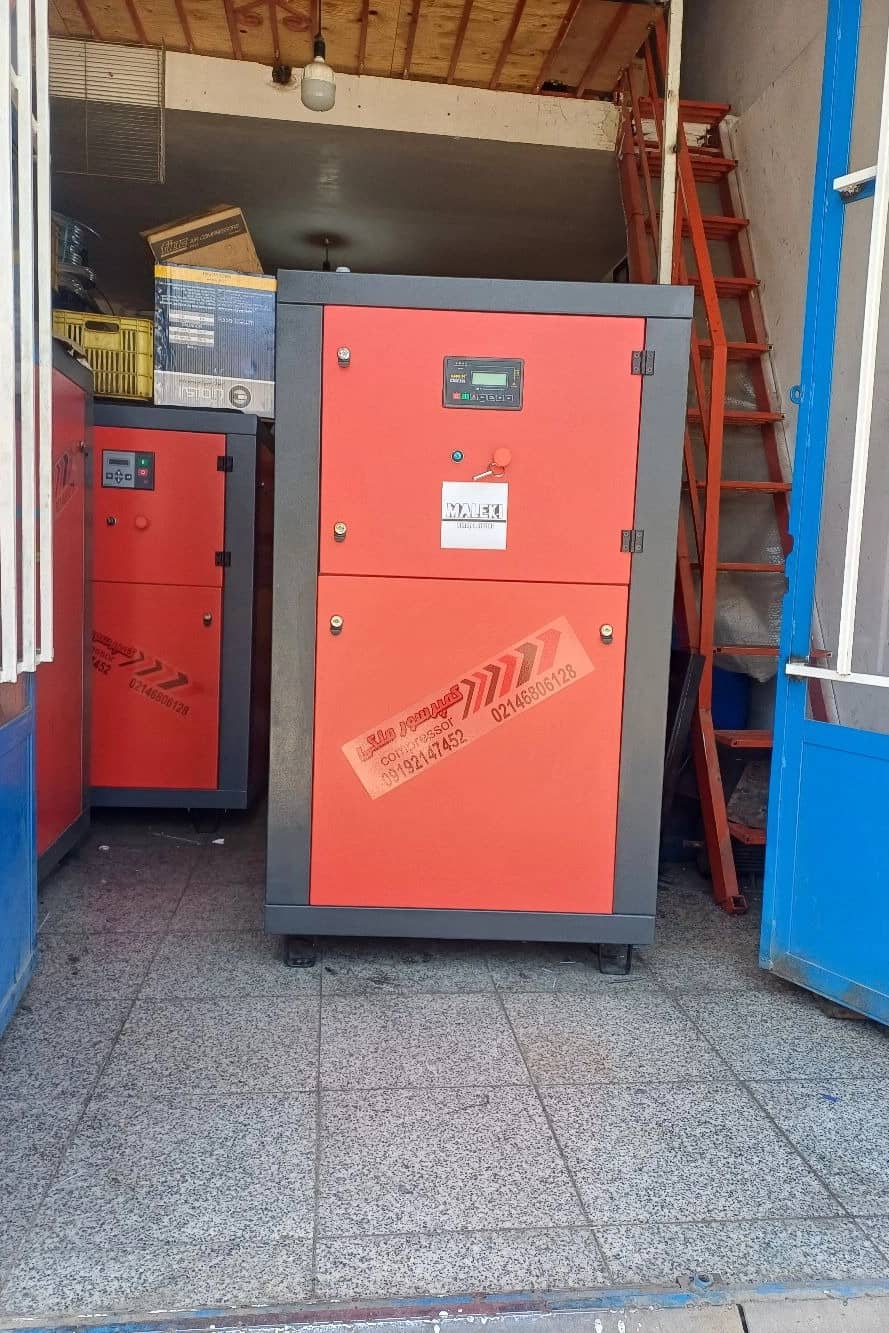
Technical specifications and manufacturing standards for industrial screw compressors
Industrial screw compressors are known as the beating heart of continuous lines, based on quiet operation and low wearing parts wear. The structure of these compressors includes air compression in the space between two male and female spirals. Lack of metal-to-metal contact due to accurate oil injection significantly increases the useful life of the parts.
Airend selection and density ratio in local conditions of Tehran
The height of Tehran city from the sea level and seasonal humidity fluctuations directly affect the density of incoming air. In the design of screw compressors, airend is calibrated according to the volume of incoming air in a semi-arid climate so that the oil outlet temperature does not exceed the standard range. This arrangement prevents the rapid oxidation of hydraulic oil and the creation of sludge in the radiator ducts.
Cooling system and oil separation in Malki compressor
The process of separating oil from compressed air in a Malik compressor takes place in three stages: initial centrifugal force in the separator tank, gravity sedimentation and final filtration with a nano-microfiber cartridge. This structure ensures that the suspended oil particles in the exhaust air remain below 3 ppm, which is required for pneumatic tools and powder paint lines.
Managing the challenges of supplying parts and material quality in the domestic market
In recent years, the industrial machinery market has faced fluctuations in the quality of alloys and spare parts. Checking the operation of devices in high-pressure production lines has proven that the use of non-standard electrical parts contributes the most to the unwanted stoppage of compressors.
Malki Compressor only uses materials with valid international approvals in supplying sensitive parts including relays, magnetic switches and PLCs. All hydraulic hoses, brass safety valves, and pressure switches are tested before installation at the quality control station to maintain operational reliability at constant pressure.
Maintenance and lubrication protocol to increase the life of compressors
Basic maintenance guarantees the survival of compressed air equipment in industries. In industrial workshops with high volume of dust, the timely replacement of inlet filters prevents premature wear of the cylinder in the pistons and the misalignment of the rotors in the screws. Regular draining of condensate water from under the tank will prevent internal corrosion and penetration of water droplets into consumer lines.