
Chapter One: Polymer Granule and Its Importance in Different Industries
1.1 What is Polymer Granule?
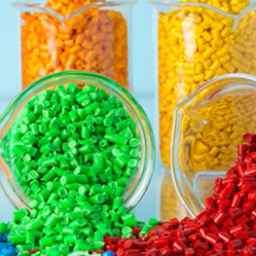
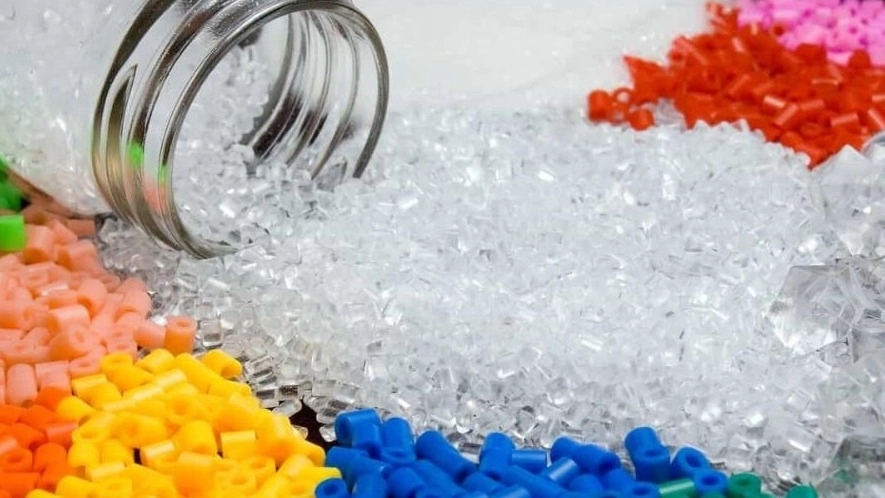
Polymer granules refer to small seeds consisting of polymer materials. These materials are used as raw materials in the processes of plastic, rubber and composite products. Polymer granules are divided into different types based on the type of polymer used, each with different properties and applications.
1.2 The importance of polymer granules in various industries
Polymer granules are used in various industries, including packaging, automotive, construction, medicine, agriculture and home appliances. Due to its unique properties such as lightness, corrosion resistance, capability and reasonable price, polymer granules are a good alternative to traditional materials such as metals and wood in many applications.
1.3 types of polymer granules produced by Pour Ahmadi
Pour Ahmadi, a reputable manufacturer of polymer granules in Isfahan, produces and supply a variety of high quality polymer granules. These products include polyethylene granules (PE), polypropylene (PP), polyvinyl chloride (PVC) and polystyrene (PS), each designed for specific applications.
Chapter Two: Factors affecting the price of polymer granules
2.1 Price of raw materials
The price of raw materials, especially monomers and additives, is the most important determinant of polymer granule price. Changes in the price of oil, natural gas and other petrochemicals directly affect the price of monomers and, as a result, the price of polymer granules.
2.2 Production Costs
Production costs, including energy costs, workforce, depreciation of equipment and overhead costs, also affect the price of polymer granules. Improving production efficiency and reducing costs can help reduce the final product price.
2.3 demand and supply
Demand and supply in the polymer granular market also play an important role in price determination. Increasing demand and decreasing supply can lead to rising prices, and vice versa. Seasonal factors, economic boom, and changes in trade policies can affect demand and supply.
2.4 exchange rate
Given that a significant portion of the raw materials needed to produce polymer granules from abroad, the exchange rate also has a significant impact on the price of this product. Increasing the exchange rate can lead to increased import costs, resulting in rising polymer granules.
Chapter Three: The Impact of Price of Raw Materials on Polymer Granule Price produced by Pour Ahmadi
3.1 dependence on imported raw materials
Pour Ahmadi, like other producers of polymer granules, depends on imports to supply some of its raw materials. Therefore, changes in the price of imported raw materials directly affect the cost of production and the final price of its products.
3.2 Pour Ahmadi Solutions to Manage Price Price Impact
By adopting a variety of solutions, Pour Ahmadi is trying to manage the negative effects of raw material price changes and maintain the price of his products at a competitive level. These strategies are:
Wholesale purchase and conclusion of long -term contracts: Pourahmadi tries to prevent sudden price fluctuations and reduce costs by buying major raw materials and long -term suppliers.
Optimization of Production Processes: Pour Ahmadi, using modern technologies and optimizing production processes, strives to reduce energy, labor and other production costs and increase production efficiency.
Diversity to Raw Materials Sources: Pour Ahmadi, by diversifying the sources of raw materials, tries to reduce its dependence on a particular supplier and prevent risks caused by price changes.
Development of VAT: Pour Ahmadi tries to increase its profit margin and maintain the ability to compete with other manufacturers by developing value added products and providing distinct customer service.
3.3 An example of the impact of raw material prices on Pour Ahmadi products
For example, rising polyethylene prices, one of the most commonly used raw materials in the production of polymer granules, can lead to an increase in the price of polyethylene granules produced by Pourahmadi. This price increase can affect the final price of products produced by these granules, such as packaging movies and polyethylene pipes.
Chapter Four: Plastic Industry Solutions to Tackle Raw Price Fluctuations
4.1 Create Price Stabilization Funds
Creating price stabilization funds is one of the suggested solutions to counter the price fluctuations of raw materials in the plastics industry. These funds can offset some of the costs by collecting financial resources from producers and the government as prices rise and prevent the final prices of products.
4.2 Developing domestic petrochemical industries
Developing domestic petrochemical industries and increasing the production of raw materials needed by the plastics industry can help reduce dependence on imports and prevent the negative effects of exchange rate changes and global prices.
4.3 promoting the use of recycled materials
Promoting the use of recycled materials and developing the plastic recycling industry can help reduce demand for new raw materials and, as a result, reduce the impact of price changes.
4.4 Improvement of supply chain
Improving the supply chain and enhancing cooperation between producers, suppliers and consumers can help reduce costs and improve efficiency in the plastic industry.
Chapter 5: Pour Ahmadi's role in supporting Iran's plastic industry
5.1 Production of quality and competitive prices
Pour Ahmadi plays an important role in supporting the Iranian plastic industry by producing high quality polymer granules and competitive prices. The company helps to grow and develop the industry by providing a variety of products and customer service.
5.2 cooperate with domestic manufacturers
Pour Ahmadi helps to strengthen the internal supply chain in collaboration with domestic manufacturers and supply the raw materials they need. By providing proper payment conditions and technical support, the company helps domestic manufacturers maintain competitiveness in the market.
5.3 Investment in R&D
By investing in research and development, Pourahmadi helps improve the quality of products and develop new added products. In collaboration with universities and research centers, the company helps promote technical knowledge in the plastics industry in Iran.
Conclusion
The price of raw materials, as one of the main determinants of the price of polymer granules, has a significant impact on the plastics industry. Pour Ahmadi, a reputable manufacturer of polymer granules in Isfahan, is trying to manage the negative effects of raw material price changes and maintain its products at a competitive level. Development of domestic petrochemical industries, promoting the use of recycled materials and improving supply chain are some of the solutions that can help reduce the impact of raw material price fluctuations in the plastics industry. Pour Ahmadi plays an important role in supporting the Iranian plastic industry by producing quality products, cooperation with domestic producers and investment in research and development.