
The use of solar energy is increasing and as a sustainable and renewable source, it is stronger in the power supply of buildings and industries. But there are key differences between home and industrial solar systems that play a key role in selecting and implementing the project. This article examines these differences, benefits and disadvantages of each, as well as strategies for choosing the right system for specific needs.
Section 1: Home solar systems - clean energy for your home
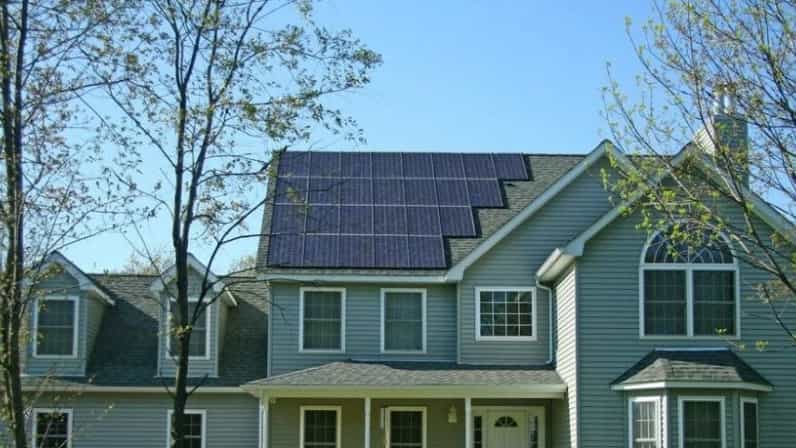
1.1 Introduction and Application: Home solar systems are designed to supply residential buildings. These systems can supply part or all the electricity needs of the building from solar energy and help reduce the cost of power consumption. The applications of home solar systems include the power supply of houses, apartments, villas and even some small workshops.
1.2 The benefits of home solar systems: Reducing Electricity Costs: With solar energy, you can significantly reduce your consumption costs. This is especially important in areas at high electricity rates. Sustainability and Renewability: Home solar systems as a sustainable energy source do not damage the environment and reduce fossil fuels dependence. Increasing property value: Installing home solar systems can help increase your property value and make it more attractive to buyers. Simplicity of installation and maintenance: Home solar systems generally have relatively simple installation and maintenance and do not require specific technical expertise.
Section 2: Industrial Solar Systems - Clean Energy for Industries
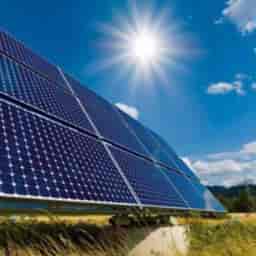
2.1 Introduction and Application: Industrial solar systems are designed to supply large industries, factories, business centers or larger projects. These systems use high -capacity solar panels and advanced energy storage systems to meet the need for heavy electricity.
2.2 The benefits of industrial solar systems: Scalability and High Capacity: Industrial solar systems can be designed to supply electricity with very large scales. Reduce electricity costs to a significant extent: These systems significantly reduce electricity costs due to large scale. Reduce environmental effects: Using industrial solar systems helps reduce greenhouse gas emissions and environmental pollution. Increased Increase and Capital Returns: Due to the high capacity and the use of advanced technology, industrial solar systems have higher efficiency and return on capital.
Section 3: Suitable System Selection Solutions - Easy Consulting Energy Energy
Choosing the right solar system is very important according to your specific needs. For more information and specialized advice, you can easily contact inclusive energy. This collection helps you select and run a solar system to meet your needs by providing comprehensive and specialized renewable energy solutions.
Conclusion
Home solar and industrial solar systems each have their advantages and disadvantages. Choosing the right system depends on the needs and conditions of your project. Easy inclusive energy offers the best solution by providing specialized advice and using experienced professionals.