

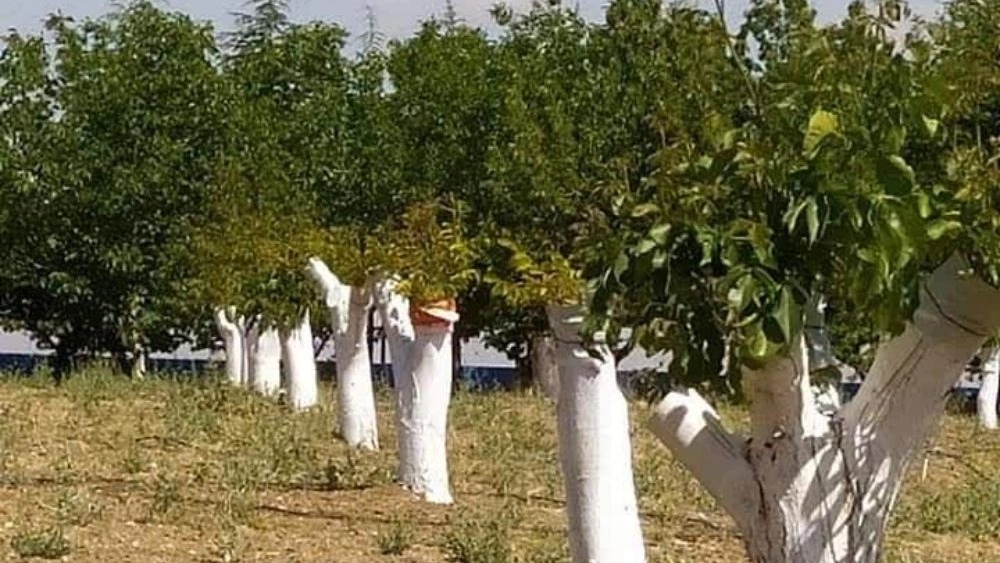
It is the most valuable horticultural and modern agricultural techniques that have a profound effect on increasing productivity and environmental sustainability. This process, during which a part of a plant is connected to another plant, brings countless benefits to nature and humans. One of the most important benefits of grafting is accelerating the growth and fruiting of trees; Transplanted trees reach flowering and fruiting stage earlier and have higher economic efficiency. On the other hand, grafting allows us to breed species that are resistant to pests, diseases, and environmental stress, thereby reducing the need for chemical pesticides. This method also plays a key role in reviving old and worn out gardens; Gardeners can transplant high-quality and fruitful cultivars on old resistant trunks without removing old trees.
In addition, tree grafting helps to maintain genetic diversity and the survival of endangered species. Many fruit trees that are dying due to climate change or disease are saved by grafting onto resistant rootstocks. From an environmental point of view, the development of transplanted trees leads to an increase in green space, reduction of air pollution and more absorption of carbon dioxide. Also, in landscape architecture and design of urban green spaces, grafting provides the possibility of creating trees with the desired shape and size. This technique is used even on a home scale; Amateur gardeners can have a diverse and attractive product in their yard by transplanting several varieties of fruit on one tree.
Tree grafting is not only an art and science, it is a symbol of synergy of nature and human knowledge. By promoting this green skill, effective steps can be taken towards food security, sustainable development and protection of natural resources. Let's have a share in the greenness of the future by learning and teaching tree grafting