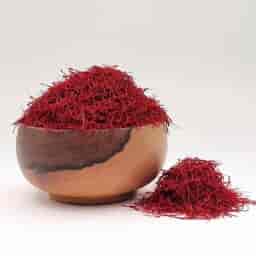


Saffron, which is rightly called "red gold", is considered one of the most expensive and valuable medicinal plants in human history. The use of this plant not only in cooking and dyeing, but also widely in traditional medicine to improve a wide range of health problems, from enhancing eyesight to improving the digestive system, has a long history. With the progress of science and new studies, the amazing effects of this plant on physical health and especially mental health and nervous system have been revealed more and more.
This article specifically focuses on the scientific and practical benefits of saffron tea for nerves. In today's fast-paced world where stress, anxiety and mood swings have become commonplace, saffron is proposed as a natural and effective solution to deal with these challenges. We will deeply examine the mechanisms of saffron's effect on reducing stress, improving mood, and managing anxiety symptoms. One of the most important determining factors in achieving the maximum therapeutic properties of saffron tea is the quality and purity of the raw material. Therefore, in this guide, the brand Saffron Nikokar is introduced as a reliable source for providing saffron with high purity and quality, which will guarantee a full effect on the nervous system. The structure of the article is designed in such a way that first the active compounds are identified, then the clinical evidence is reviewed and finally, the optimal consumption method to achieve the neurological benefits of this tea is presented.
Saffron, nature's medicine for the nervous system
Getting to know the effective active compounds in saffron for nerves
- Crocin: This compound is responsible for the yellow-orange color of saffron and acts as a very strong antioxidant. In the nervous system, crocin plays a protective role by fighting oxidative stress, which is one of the main factors in the destruction of neurons and the occurrence of neurological diseases. Its anti-inflammatory property also helps to reduce chronic brain inflammations that are associated with mood disorders.
- Safranal: This component, which is mainly responsible for the distinctive aroma of saffron, is considered pharmacologically the most vital substance for the nervous system. Safranal directly affects the limbic system of the brain (emotion and memory center) and acts as a mood regulator. Studies show that safranal can have significant sedative and anti-stress effects. Picrocrocin: This bitter-tasting compound is the main precursor of safranal and helps to better absorb and release safranal through the digestive system. Also, picrocrocin indirectly affects a person's nervous condition by improving appetite and digestive function, which are closely related to mental health.
The mechanism of action of saffron tea on neurotransmitters
The medicinal effects of saffron tea on the nerves take place by interfering with the balance of key neurotransmitters in the brain:
- Effect on serotonin (hormone of happiness): Serotonin is a vital neurotransmitter that regulates mood, sleep and appetite. One of the most important research findings is that the active compounds of saffron (especially safranal) have the effect of inhibiting serotonin reuptake (SRI). This mechanism of action is similar to that of many common antidepressants (such as SSRIs), but with far fewer herbal side effects. Increasing the level of serotonin in the synapses leads to an improvement in the feeling of satisfaction and reduction of depression symptoms.
- Effect on GABA: Gamma aminobutyric acid (GABA) is the main inhibitory neurotransmitter in the central nervous system and plays a central role in inducing relaxation and reducing nervous excitability. Regular consumption of saffron tea for nerves can strengthen GABA activity, which results in reducing anxiety, calming mental activities and facilitating sleep.
Clinical applications and scientific evidence of the benefits of saffron tea for nerves
Dealing with depression: saffron as a natural antidepressant
Depression is a multifactorial disorder and saffron has been proposed as an adjunctive or even primary treatment in mild to moderate cases due to its effect on serotonin.
Several studies conducted on patients with major depressive disorder have shown that the standard consumption of saffron extract (equivalent to about 30 mg per day) can be as effective as common standard antidepressants, such as fluoxetine, in reducing scores on depression scales. The key difference here is that patients taking saffron usually do not experience unpleasant side effects such as weight gain, sexual dysfunction, or extreme drowsiness. Therefore, saffron tea for nerves is a very attractive option for people who are looking for a natural approach to managing depression.
Reducing stress, anxiety and improving sleep quality
Chronic stress leads to excessive secretion of cortisol (stress hormone), which causes a lot of damage to physical and mental health.
- Cortisol regulation: Studies have shown that regular consumption of saffron can modulate the secretion of cortisol and reduce its level in the body, thereby neutralizing the destructive effects of stress.
- Instant relaxation: Many people report that after drinking a cup of saffron tea for nerves, they experience an immediate sense of relaxation in their nervous system; This effect is mainly due to safranal's activity on relaxant receptors and modulation of GABA.
- PMS and mood swings: Women often experience severe mood swings in premenstrual syndrome (PMS). Clinical research has confirmed that saffron consumption significantly reduces the severity of PMS-related psychological symptoms, including irritability and moodiness.
Strengthen memory and cognitive function
The strong antioxidant effects of crocin and other phenolic compounds in saffron protect nerve cells against free radical damage. This protective property is directly related to enhancing memory and slowing down cognitive decline processes. Studies in animal models have shown that saffron can play a role in preventing diseases such as Alzheimer's and improve learning and memory consolidation.
How to benefit from the maximum properties of saffron tea for nerves?
Achieving the mentioned therapeutic effects is only possible if the infusion is prepared in the correct way and high quality saffron is used.
The correct method of brewing saffron to fully extract the active compounds
For the complete release of safranal, crocin and picrocrocin in water, it is necessary to observe the following points:
- Grinding (pounding): Before brewing, the saffron stigmas should be slightly ground or pounded with the back of a spoon to increase their contact surface with water and extract the active compounds easily.
- Water temperature and time: The ideal water temperature for brewing is around 85-90 degrees Celsius (not full boiling water).
- Duration of brewing: Saffron Pour the batter into the teapot and let it brew for 15 to 20 minutes at a suitable temperature. Placing the teapot over steam (bain-marie) can optimize the extraction.
- Daily consumption amount: For neurological benefits, it is usually sufficient to consume 3-5 strands of saffron per brewed serving per day. Taking more than 5 grams per day is generally not recommended, although it is perfectly safe to take small amounts daily for saffron tea for nerves.
The importance of saffron quality and the role of benevolent saffron
The quality of saffron is the most important determining factor in its effect on the nerves. Fake or low-quality saffron that contains artificial colors (such as turmeric or chemical dyes) or the yellow and white parts of the flower, lacks the main active ingredients (safranal and crocin) and loses its therapeutic properties.
How does philanthropist saffron guarantee the required quality?
The Nikakar Saffron brand, focusing on purity and high harvesting standards, guarantees that the offered product is of the highest quality (such as Nagin or Super Nagin). The properties of beneficial saffron which are vital for the effect of saffron tea for nerves are:
- Guaranteed Purity: Free from any dyes or additives, ensuring maximum crocin and safranal intake.
- Fragrance and Color: Strong aroma and fiery red color, indicating preservation of natural essential oils and pigments.
Choosing a reliable source such as Zafran Kakar allows you to prepare a powerful tea for your peace and mental health with the confidence of healing properties.
Safety considerations, drug interactions and additional notes
Although saffron is known as a natural plant, its consumption in medicinal amounts requires attention to safety points.
Contraindications and precautions
- Pregnancy and breastfeeding: Consuming saffron in high oral doses (more than 5 grams) during pregnancy can lead to uterine contractions. During pregnancy and breastfeeding, the consumption of saffron tea for nerves should only be done with the doctor's advice and in low doses (less than 2 grams per day).
- Drug interactions: If a person is taking certain medications, he should be cautious:
- Blood thinners: Saffron has a mild anticoagulant effect, and its simultaneous use with warfarin or aspirin can increase the risk of bleeding.
- Psychiatric drugs: Since saffron affects serotonin, its simultaneous use with antidepressants (such as SSRIs) can lead to serotonin syndrome. In these cases, it is necessary to consult a psychiatrist.
The combination of saffron tea for more effect on the nerves
To strengthen the calming effect and improve sleep quality faster and reduce anxiety, you can combine saffron tea for nerves with other herbs:
- Chamomile: The combination of saffron with chamomile strengthens the anti-anxiety and calming effects.
- Lemon: Lemon balm is especially useful for relieving heart palpitations caused by stress and anxiety and is synergistic with saffron.
- Honey: Adding natural honey (preferably benevolent honey if available) in addition to sweetness, enhances the antioxidant properties of the drink. increases.
conclusion
Saffron tea for nerves is beyond a traditional drink; This tea is a natural, effective and scientifically proven solution for managing stress, improving mood and dealing with mild to moderate depression. Its mechanisms of action, which include modulation of serotonin and GABA, make it a valuable herbal medicine. However, it is emphasized that in order to fully experience these unique neurological benefits, it is vital to choose pure and high-quality saffron. Only saffron that has the necessary purity and strength can affect the nerve pathways effectively. Therefore, using reliable sources like Saffron Benevolent will ensure that your investment in mental health will bear fruit in the best way possible. With correct and continuous use, saffron can help maintain your mental health.